
Eating Plant-Based in Egypt
Egypt is one of the easiest countries in the region for vegetarian and vegan travelers because many traditional dishes are naturally plant-based and eaten daily by locals. Street food stalls, simple eateries, and modern restaurants all serve options built around fava beans, lentils, vegetables, and grains rather than meat.
Conscious travelers will find that plant-based eating in Egypt is not a trend but a reflection of long-standing food traditions rooted in affordability, seasonality, and simplicity. Learning the key dishes and a few phrases in Egyptian Arabic makes it even easier to order satisfying vegetarian or vegan meals almost anywhere in the country.
Iconic Vegan Staples to Try
Several of Egypt’s most famous foods are either fully vegan or can be made vegan with small adjustments. These dishes are widely available in Cairo, Giza, Alexandria, Luxor, Aswan, and Red Sea destinations, making them reliable go-tos for travelers.
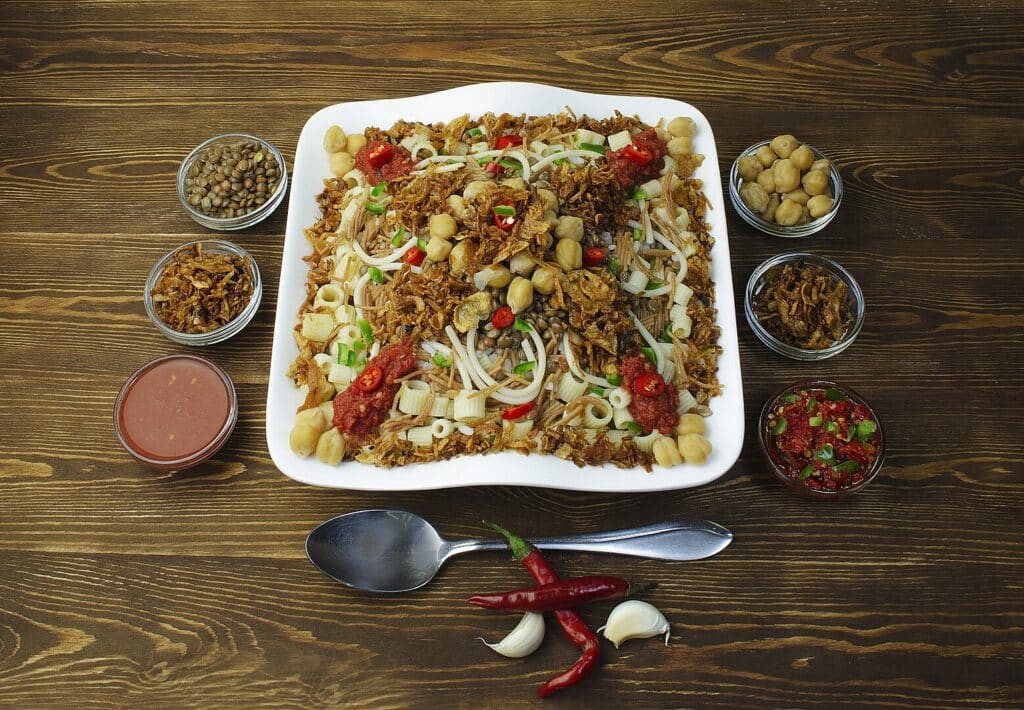
Koshary
Often called Egypt’s national comfort food, koshary is a hearty bowl of rice, lentils, pasta, chickpeas, and crispy fried onions, topped with a tangy tomato sauce and optional garlic-vinegar and chili sauces. It is naturally vegan when prepared with vegetable oil, and dedicated koshary restaurants such as Koshary Abou Tarek in Cairo specialize in this dish.Ful medammes (fava beans)
Ful is a slow-cooked fava bean stew seasoned with oil, lemon, garlic, and spices, typically eaten for breakfast or as a quick meal with local flatbread. It is almost always vegan and can be ordered plain or with toppings like tahini, tomato, or herbs.Ta’meya (Egyptian falafel)
Egyptian falafel is made from fava beans rather than chickpeas, blended with fresh herbs and spices, then deep-fried into crisp patties. Served in sandwiches or on plates with salad and tahini, it is a classic vegan street food option that conscious travelers should not miss.
Flavorful Vegetarian and Vegan Mains
Beyond street snacks and breakfast, Egypt offers vegetable-forward main dishes that work well for lunch or dinner. Many of these rely on eggplant, tomato, rice, legumes, and seasonal produce, and they can often be prepared fully vegan if you ask about butter or ghee.
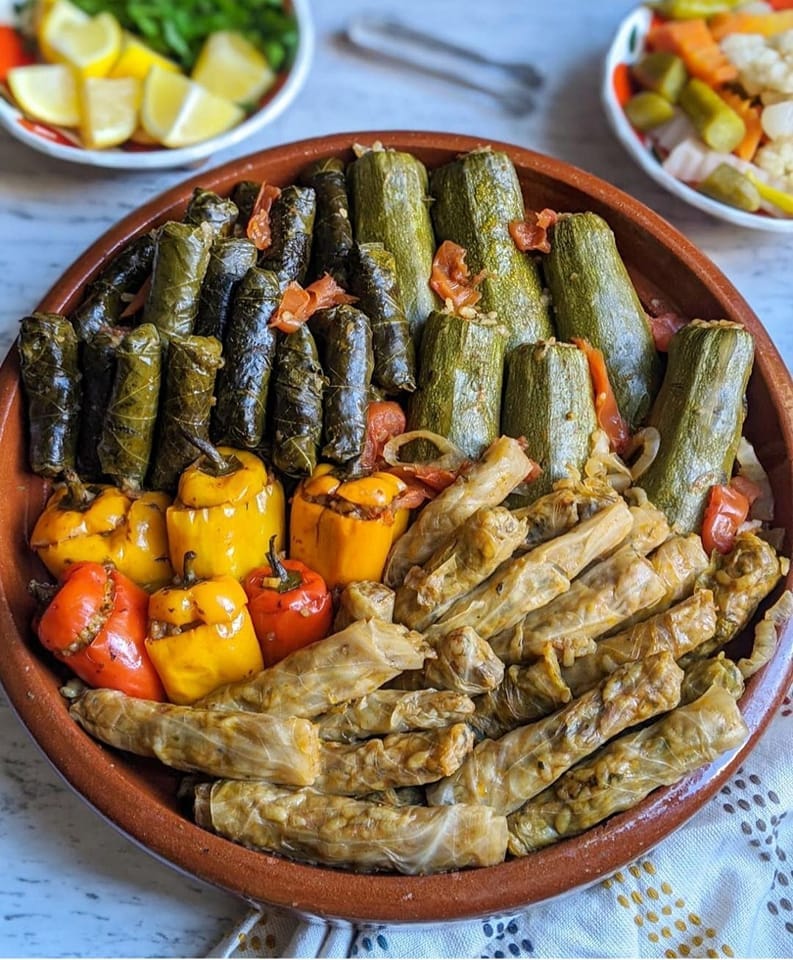
Mahshi (stuffed vegetables)
Mahshi refers to vegetables such as bell peppers, zucchini, cabbage leaves, vine leaves, and eggplants stuffed with herbed rice. Versions without minced meat are common and fully vegetarian, and vegan travelers can request that no butter or animal fat be used in cooking.Mesaqa’a / moussaka (eggplant casserole)
Egyptian-style moussaka is typically a vegan-friendly dish of fried or roasted eggplant baked with tomato, garlic, onions, and spices, often without cheese or meat. It is rich, aromatic, and served with bread or rice, though travelers should still ask to avoid any added dairy if strictly vegan.Vegetable tagen (baked vegetable casserole)
Vegetable tagen is a slow-baked clay-pot dish combining vegetables like potatoes, carrots, peas, and green beans in a tomato-based sauce. This comforting main is usually naturally vegan and commonly served with rice and aish baladi, the local flatbread.
Dips, Sides, and Street Snacks
Even when a menu looks meat-heavy, there are usually plenty of dips and side dishes that add up to a satisfying vegetarian or vegan meal. Ordering several small plates is a great way to sample flavors while keeping things plant-based.
Baba ghanoush & tahina
Baba ghanoush is a smoky roasted eggplant dip blended with tahini, lemon, garlic, and olive oil, while tahina is a sesame-based sauce or salad often served as a side. Both are typically vegan and pair well with bread and fresh vegetables.Lentil soup (shorbet ads)
Egyptian lentil soup uses red or yellow lentils cooked with onion, carrot, tomato, and spices such as cumin and coriander. When prepared with oil instead of butter or ghee, it is completely vegan and offers a warming, protein-rich option.Aish baladi (Egyptian flatbread)
This whole-wheat-style flatbread is a staple at nearly every meal and is usually made simply from flour, water, yeast, and salt. It is plant-based on its own and serves as the base for many vegan and vegetarian combinations with dips, beans, and salads.
Tips for Conscious Plant-Based Travelers
With a little preparation, traveling vegan or vegetarian in Egypt can be both easy and rewarding. Most restaurants are familiar with guests avoiding meat, and many are happy to adjust dishes when requested.
Learning how to say that you are vegetarian or vegan in Egyptian Arabic helps avoid confusion and ensures dishes are cooked without meat or animal fat.
In larger cities and tourist areas, travelers will find dedicated veggie-friendly spots and international restaurants, while in more traditional areas, ordering classic staples such as koshary, ful, ta’meya, salads, and vegetable tagens is a reliable strategy.
Conscious travelers who care about sustainability and animal welfare can enjoy Egypt’s plant-based culinary heritage while supporting local, family-run eateries that cook these dishes fresh every day.