Journey to Tanis, the spectacular royal city of the Nile Delta. Uncover the golden treasures of Pharaoh Psusennes I, explore the massive temple complex, and learn why this site is considered the “Northern Thebes.” Plan your deep history expedition with My Egypt Travel.
🏛️ Tanis (San al-Hagar): Egypt’s Northern Thebes | Discover the Golden Tombs of the Third Intermediate Period
Tanis: The City Built of Stolen Glory
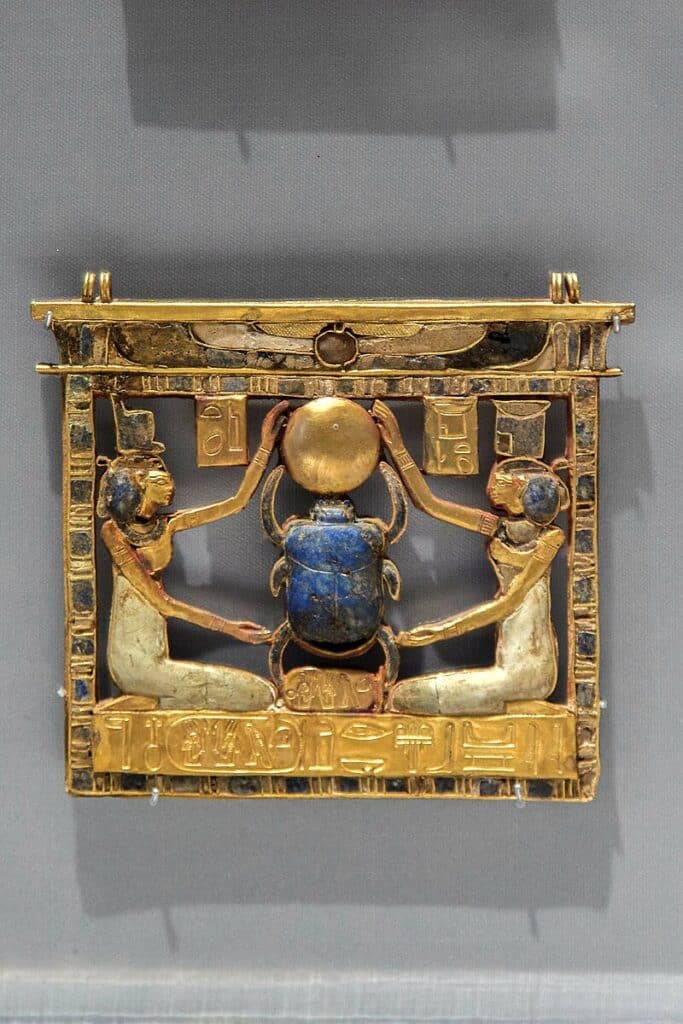
Tanis, known today as San al-Hagar, is a sprawling archaeological site located in the northeastern Nile Delta. Though far less famous than Luxor or Giza, Tanis holds a significance that rivals even the Valley of the Kings. Serving as the capital of Egypt during the 21st and 22nd Dynasties (the Third Intermediate Period, c. 1070–712 BCE), it was often referred to by ancient writers as “The Northern Thebes” due to the magnificence of its temples and its status as a religious and political powerhouse.
For the American and European traveler who seeks archaeological depth, profound historical knowledge, and the thrill of rare discovery, Tanis is a pilgrimage. This site yielded a treasure trove of gold, silver, and jewels in the 1939 excavation that many scholars argue is the closest parallel to the tomb of Tutankhamun found to date. This non-conventional guide, brought to you by My Egypt Travel, explores Tanis as the source of untold riches and a mirror to a fragmented kingdom.
The Lost Golden Age: A Non-Conventional Approach
The story of Tanis is one of historical resourcefulness, political fragmentation, and astonishing wealth. The pharaohs of the 21st and 22nd Dynasties, lacking the resources of the great New Kingdom, often reused materials (statues, obelisks) stolen from earlier sites. This patchwork construction gives the city a unique, powerful aesthetic. We emphasize the discovery of the unlooted royal tombs, a narrative often overlooked in favor of the more famous Valley of the Kings.
I. The Royal Necropolis: The Tombs of the Pharaonic Delta
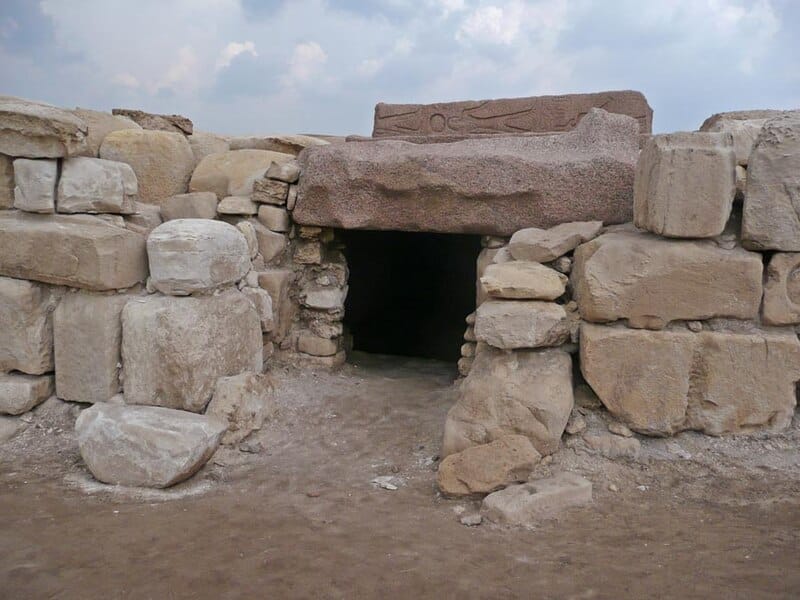
The main glory of Tanis lies beneath the desolate landscape, where a French expedition led by Pierre Montet unearthed a royal necropolis.
1. The Tomb of Psusennes I (The Silver Pharaoh)
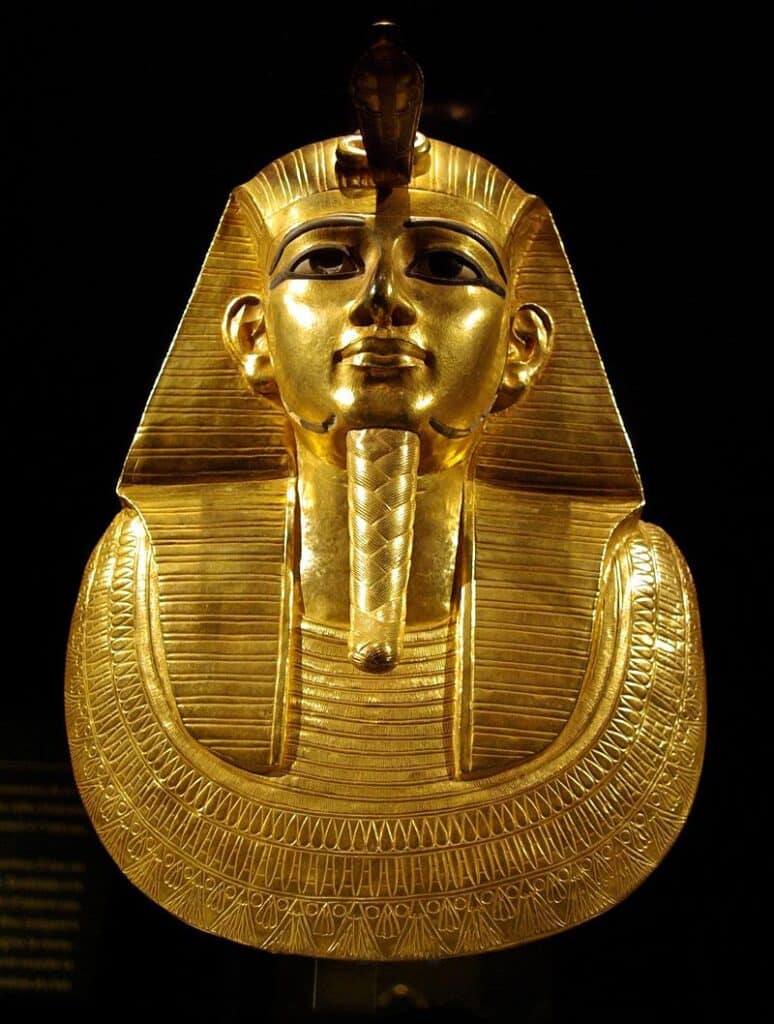
The most spectacular discovery was the largely unlooted tomb of Pharaoh Psusennes I (21st Dynasty). Due to the high water table in the Delta, the tomb chamber was severely damaged, but the precious artifacts survived.
The Treasures: The finds included a magnificent solid silver coffin (a rarity in Egyptian archaeology, as silver was more valuable than gold), a beautiful funerary mask made of gold and lapis lazuli, and countless pieces of jewelry and vessels.
Historical Significance: Psusennes I’s tomb provided an unparalleled look at the wealth and burial customs of the Third Intermediate Period, proving that despite political division, the Pharaohs of the Delta maintained extraordinary access to wealth.
2. Other Royal Burials
The necropolis also contained the tombs of other significant figures, including Pharaoh Amenemope and the military commander and later Pharaoh Shoshenq II (22nd Dynasty), who was also buried with lavish gold and silver artifacts.
II. The Grand Temple Complex
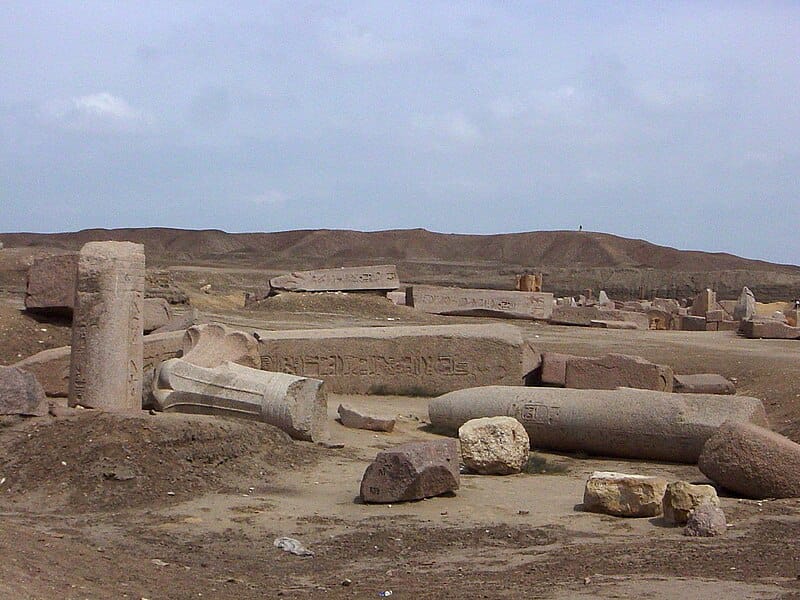
The physical remains of Tanis are dominated by the vast ruins of its primary temple complex, dedicated mainly to the Theban Triad (Amun, Mut, and Khonsu).
3. The Temple of Amun (A Library of Recycled Monuments)
The massive temple complex at Tanis is impressive not just for its scale but for its unique construction materials. The pharaohs of Tanis, in a time of political fragmentation, systematically transported, dismantled, and reused colossal statues, obelisks, and sphinxes from older sites like the New Kingdom capital, Pi-Ramesses.
Architectural Palimpsest: Visitors can see fragmented pieces of granite and quartzite monuments engraved with the names of great pharaohs like Ramesses II alongside the names of the Tanite kings—a fascinating visual testament to the shifting power dynamics of ancient Egypt.
The Obelisks: Numerous fallen obelisks lie scattered across the site, each telling a layered story of reuse and re-inscription.
4. The Temple of Mut and Khonsu
Dedicated to the other members of the Theban Triad, these smaller temple remnants further highlight the Tanite kings’ political and religious desire to emulate the grandeur and legitimacy of the powerful New Kingdom capital, Thebes (Luxor).
III. The Site Today and Archaeological Focus
Tanis is a site for the dedicated enthusiast, offering a truly raw, uncommercialized archaeological experience.
5. The Atmosphere of Discovery
Due to its remote location and lower tourist traffic, a visit to Tanis allows for a highly contemplative experience. The vast, scattered ruins and exposed royal tombs provide a powerful sense of walking through a genuine, active archaeological dig.
6. Local Culture
The surrounding area, typical of the eastern Nile Delta, is agricultural. It offers a glimpse into the local Delta culture and village life, providing a strong contrast to the monumental history of the site itself.
IV. Planning Your Deep History Expedition with My Egypt Travel
A visit to Tanis requires specific planning due to its location in the eastern Delta, away from the main tourist routes.
Logistics and Purity of Experience
Private Expeditions: Tanis is best reached via a dedicated, private road trip from Cairo or Port Said. My Egypt Travel handles all necessary logistics, ensuring a safe and comfortable journey to this specialized site.
Expert Egyptologists: The complexity of Tanis’s history—its appropriation of earlier monuments, the fragmentation of the Third Intermediate Period, and the specific details of the tomb discoveries—demands interpretation from a highly specialized Egyptologist. Our guides are equipped to bring this layered history to life.
The My Egypt Travel Focus
We position Tanis as the destination for the discerning historian—the traveler who has already seen the major sites and now seeks the deeper, more complex narratives of Egyptian history. We guide travelers through the massive temple ruins, telling the story of the discovery of the “Golden Tombs” and the ingenuity of the Delta pharaohs.
🔑 Conclusion: Unlocking the Secrets of the Northern Kings
Tanis is an essential, yet often unheralded, chapter in the book of ancient Egypt. It is the site that revealed one of the greatest hoards of treasure ever found, demonstrating that even during periods of political turmoil, the tradition of pharaonic wealth and architecture persisted. It offers a dramatic, authentic, and profoundly rewarding historical experience.
Ready to walk among the scattered obelisks of Ramesses and stand above the hidden tombs of the Silver Pharaohs? Let My Egypt Travel guide your unique historical expedition to Tanis (San al-Hagar).