Discover Mansoura, the historic capital of the Nile Delta known for capturing a French King during the Crusades. Explore its elegant architecture and vibrant life as a modern cultural and scientific hub.
Mansoura: Where Medieval History Meets the Modern Nile Delta | Crusader Legacy, Parisian Elegance & Scientific Hub
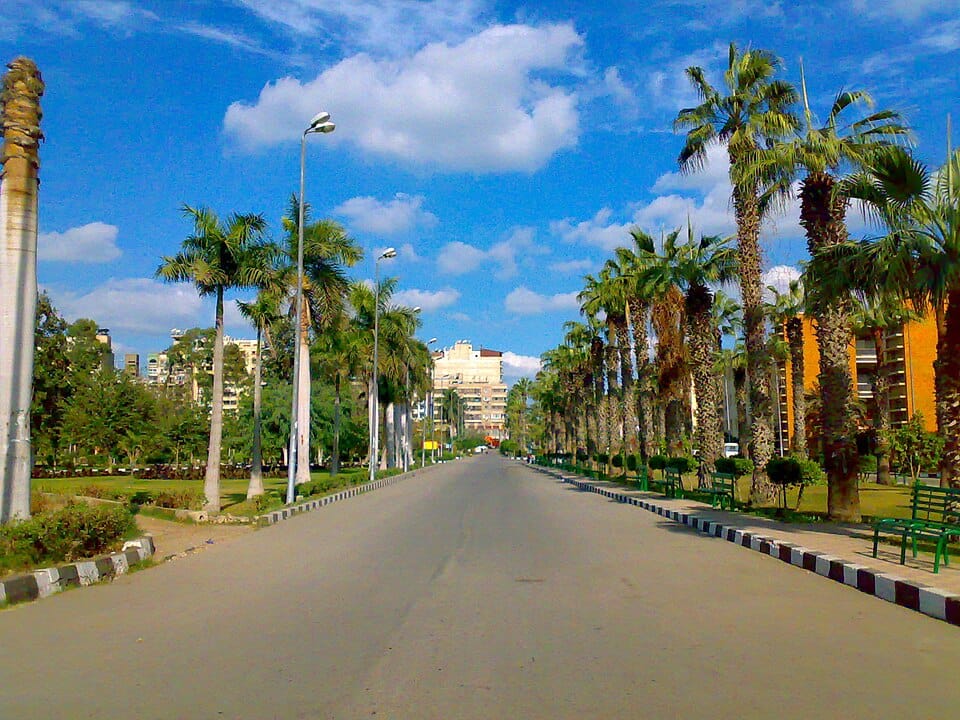
The City of Victory: A Non-Conventional Delta Exploration
Mansoura, situated elegantly on the Damietta branch of the Nile, is one of the Delta’s largest and most beautiful cities. While it is celebrated domestically as a major center for education and medicine, its true non-conventional draw for the European and American traveler lies in a pivotal moment of medieval history: the Battle of Mansoura.
The city derives its very name from the Arabic word for ‘victorious’ (Al-Mansura), commemorating the Egyptian triumph over the Seventh Crusade in 1250 AD, a battle where the French King Louis IX (Saint Louis) was captured. This unique legacy positions Mansoura as a historical crossroads where East and West met in dramatic conflict. This guide, brought to you by My Egypt Travel, explores Mansoura as a destination for history buffs, blending medieval drama with modern Egyptian intellectual life.
I. The Echoes of the Seventh Crusade
Mansoura stands as a physical monument to a decisive victory in the history of the Crusades, offering a profound historical experience that contrasts sharply with Pharaonic sites.
1. The Capture of Louis IX
The most significant historical event linked to the city is the capture of the French monarch, King Louis IX.
Historical Significance: The capture happened near Mansoura, marking the failure of the final major Crusade to the Holy Land. The event symbolizes a turning point in the balance of power between Europe and the Ayyubid Dynasty.
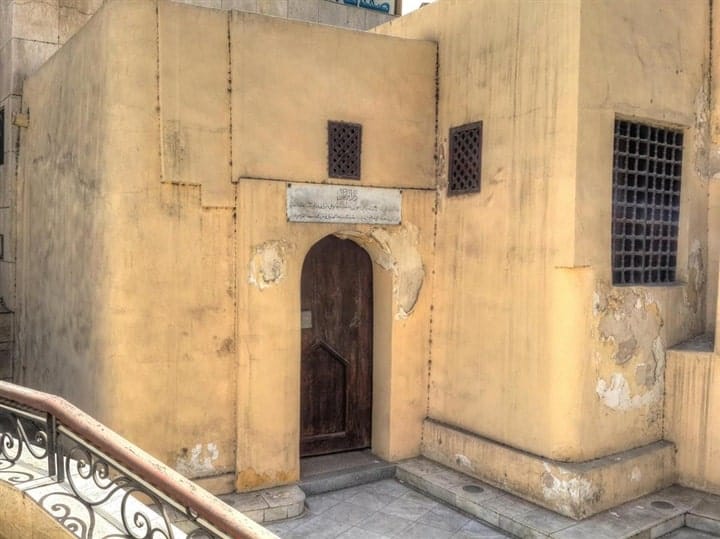
The Dar Ibn Luqman Museum: This small museum, housed in a traditional Arab house, is the historical site where King Louis IX was allegedly held captive until his ransom was paid. Visiting this site provides a tangible link to medieval European history on Egyptian soil.
2. The Battle Site Context
The military history of the surrounding area highlights the strategic importance of the Nile Delta waterways in defending Egypt.
Nile’s Role: The delta’s geography—the canals, tributaries, and fertile lands—played a crucial role in defeating the heavily armored Crusader army, offering a military history lesson unlike any other in Egypt.
II. Parisian Elegance and the Nile Corniche
Beyond its historical warfare, Mansoura is known for its graceful urban planning and architecture from the late 19th and early 20th centuries, reflecting its growth as a modern provincial capital.
3. The Nile Corniche
The long, picturesque Corniche along the Damietta Nile branch is the city’s social heart, offering elegant views and a relaxing urban atmosphere.
Architectural Style: Many central buildings feature European-influenced, neoclassical façades and wrought-iron balconies, leading to the city being locally dubbed the “Paris of the Delta.” This provides an architectural continuity with French colonial style seen in other planned cities.
Leisure and Life: The Corniche is the perfect place to observe contemporary Delta life, from riverside cafes to local families enjoying the evening air.
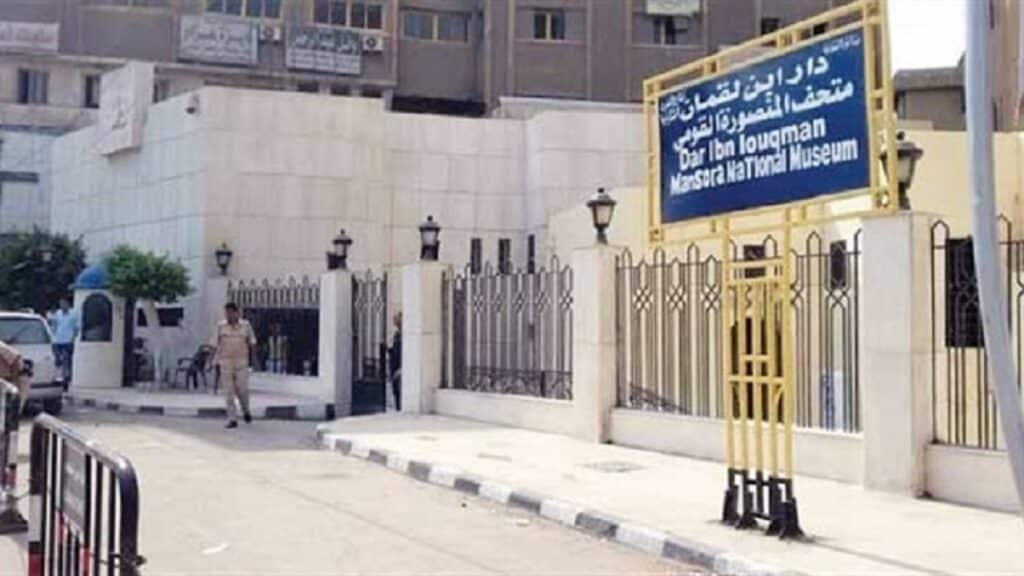
4. The Mansoura National Museum
Located within the University grounds, the museum features collections dedicated to the region’s history, showcasing artifacts that trace the city’s development from its medieval foundation through to the modern era.
III. A Hub of Science and Contemporary Culture
Mansoura’s reputation today is primarily defined by its intellectual and scientific contributions to the region, offering a look at modern Egyptian aspiration.
5. Mansoura University and Medical Excellence
Mansoura University is one of the most prestigious public institutions in Egypt, particularly renowned for its medical faculty.
Academic Tourism: For travelers with interests in global education and medical science, the city offers a unique opportunity to understand the cutting edge of research and education in the Middle East.
Youthful Energy: The large student population imbues the city with a vibrant, youthful energy, distinct from the ancient monuments that dominate other tours.
6. Local Flavors and Delta Commerce
As a major Delta city, Mansoura offers an authentic experience of local Egyptian daily life, complete with bustling markets and localized cuisine focused on the fresh produce of the surrounding farmlands.
Authentic Markets: The local souqs provide opportunities to interact with merchants involved in agriculture and local manufacturing, offering a genuine commercial immersion far from standardized tourist shops.
Conclusion: A Crossroad of Civilizations
Mansoura is a destination that truly appeals to the non-conventional traveler, offering a powerful narrative of cultural intersection. It serves as a historical reminder of a significant medieval East-West conflict and, simultaneously, as a bright beacon of modern Egyptian educational and cultural development.
A visit to Mansoura provides the ultimate historical and intellectual contrast, perfectly suited for combining with a trip to Cairo or the agricultural lands of the Delta.
Ready to trace the footsteps of King Louis IX and witness the vibrant intellectual heart of the Nile Delta? Let My Egypt Travel guide your unique journey to Mansoura.