Uncover Sais, the powerful capital of the 26th Dynasty and main cult center of the goddess Neith. Explore the Delta site that inspired Plato’s famous myth of Atlantis.
Sais: The Lost Capital of the 26th Dynasty | Cradle of the Atlantis Myth, Goddess Neith & Ancient Revival
The Philosophical Nexus: A Non-Conventional Journey to the Roots of Myth
Sais (modern Sa el-Hagar) is a destination for the intellectual traveler, a site whose historical significance far outweighs its remaining physical structures. Located in the western Nile Delta, Sais was not just the capital of the powerful 26th Dynasty, but, according to classical accounts, the intellectual and spiritual source for one of Western civilization’s most enduring legends.
For the traveler interested in the deep intellectual connections between ancient Egypt and classical Greece, Sais is a pilgrimage site. This forgotten Delta capital was the principal cult center for the goddess Neith, whose influence stretched into Greek culture via the goddess Athena. This non-conventional guide, brought to you by My Egypt Travel, explores Sais as the profound, quiet heart of an ancient Egyptian revival and the wellspring of the Atlantis legend.
I. The Echo of Atlantis: Plato, Solon, and the Sais Connection
Sais holds a unique place in Western intellectual history due to the account of the Greek philosopher Plato, who explicitly mentions the city in his dialogues Timaeus and Critias.
1. The Solon-Priest Dialogue
Plato’s account describes how the Greek statesman Solon traveled to Sais and spoke with an Egyptian priest who revealed the story of Atlantis, emphasizing that Sais was founded 8,000 years before Athens.
Intellectual Significance: Visiting Sais provides a tangible link to the narrative that placed the origin of Western historical curiosity and mythical thinking within an Egyptian context.
The Neith/Athena Link: The priest reportedly told Solon that the goddess Neith, worshipped at Sais, was equivalent to the Greek goddess Athena, thus cementing an ancient, shared cultural ancestry.
2. The Power of Absence
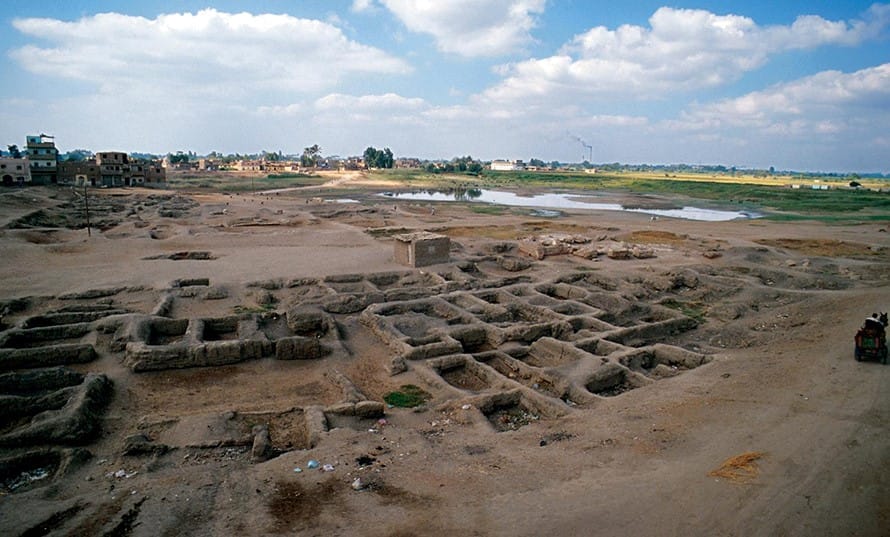
Unlike Luxor, Sais is largely a tell (mound) site, requiring imagination to appreciate its vast historical weight.
The Unconventional Experience: This journey appeals to the traveler who seeks profound historical context over standing stone monuments, allowing for quiet contemplation of the site’s immense legacy.
II. The Saite Revival: Capital of the 26th Dynasty
Beyond its mythical connections, Sais was the political and military capital during the Saite Period (664–525 BC), the last great flowering of native Egyptian rule before the arrival of the Persians.
3. A Return to Ancient Glory
The 26th Dynasty actively sought to return to the artistic and political glories of the Old and Middle Kingdoms, creating a period of cultural resurgence.
Political Significance: The dynasty unified Egypt after a period of instability and foreign domination, ruling from Sais and marking a crucial period of independence and internal strength.
Saite Art and Funerary Practices: Art from this era is characterized by an elegant archaism, deliberately copying earlier styles to underscore the continuity of Egyptian tradition.
4. The Royal Necropolis
Sais was the burial site for the Saite pharaohs, including the founder Psamtik I. While little remains today, the site retains its significance as a royal necropolis.
III. The Cult of Neith: Goddess of War and Wisdom
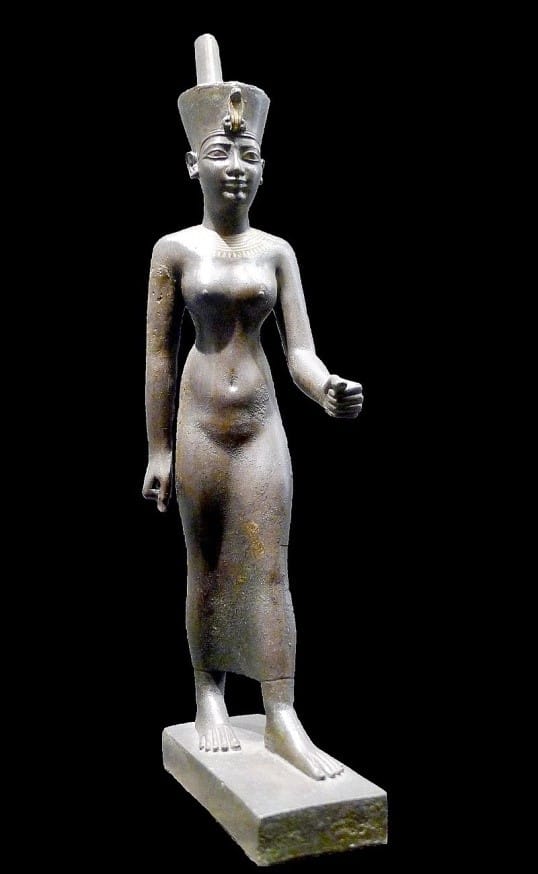
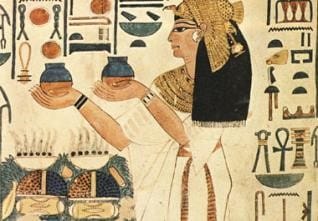
The religious life of Sais was dominated by the goddess Neith, one of the most ancient and multifaceted deities in the Egyptian pantheon.
5. Neith’s Multifaceted Domain
Neith was unique as a goddess associated with both the fierce aspects of war (she was patroness of hunting and weapons) and the serene aspects of weaving and creation.
Cosmological Role: She was considered a primeval goddess who sprang forth from the primordial waters, often associated with the creation of the cosmos, adding a deep layer of theological complexity to the site.
6. The Festival of Lamps
Ancient sources describe a great annual festival held at Sais in honor of Neith, known as the “Feast of Lamps,” where people throughout the country lit lamps outside their homes.
Cultural Visualization: This historical detail allows travelers to visualize the city’s ancient centrality and the widespread reach of its religious influence across the Nile Valley.
Conclusion: The Intellectual Capital of Antiquity
Sais is not a place of overwhelming physical beauty, but a place of overwhelming historical weight. It offers the discerning traveler a unique connection to the intellectual roots of Western civilization, linking ancient Egyptian theology directly to the enduring myths of classical Greece.
A journey to Sais is an excavation of ideas, perfectly suited for combining with a tour of other Delta sites that emphasize Egypt’s powerful connections with the Mediterranean world.
Ready to explore the quiet site that inspired Plato’s story of Atlantis? Let My Egypt Travel guide your unique journey into the deep philosophical history of Sais.