Discover Qasr al Farafra with My Egypt Travel, the most isolated Egyptian oasis and gateway to the surreal, chalk-white landscapes of the Sahara el-Beida. Experience Bedouin culture and therapeutic hot springs.
Farafra Oasis: Gateway to the White Desert’s Wonders
A Quiet Haven on the Desert Frontier
Qasr al Farafra, deep within the Western Desert, stands as the most isolated and perhaps most charming of Egypt’s major oases. It is a place defined by its gentle solitude, traditional Bedouin culture, and a unique position as the civilized launching point into one of the world’s most surreal landscapes: the White Desert.
For the American and European traveler, Farafra is the antidote to noise and crowds. It offers an immersion into a unique desert lifestyle, where agriculture thrives on ancient water sources and the local arts scene reflects the quiet beauty of the surrounding sands. This non-conventional guide, brought to you by My Egypt Travel, explores Farafra as the indispensable stop for solitude, adventure, and therapeutic rest.
I. The Surreal Gateway: Entering the White Desert
Farafra’s primary attraction is the immediate, breathtaking access it provides to the Sahara el-Beida, or the White Desert National Park.
1. Landscapes of Pure Imagination
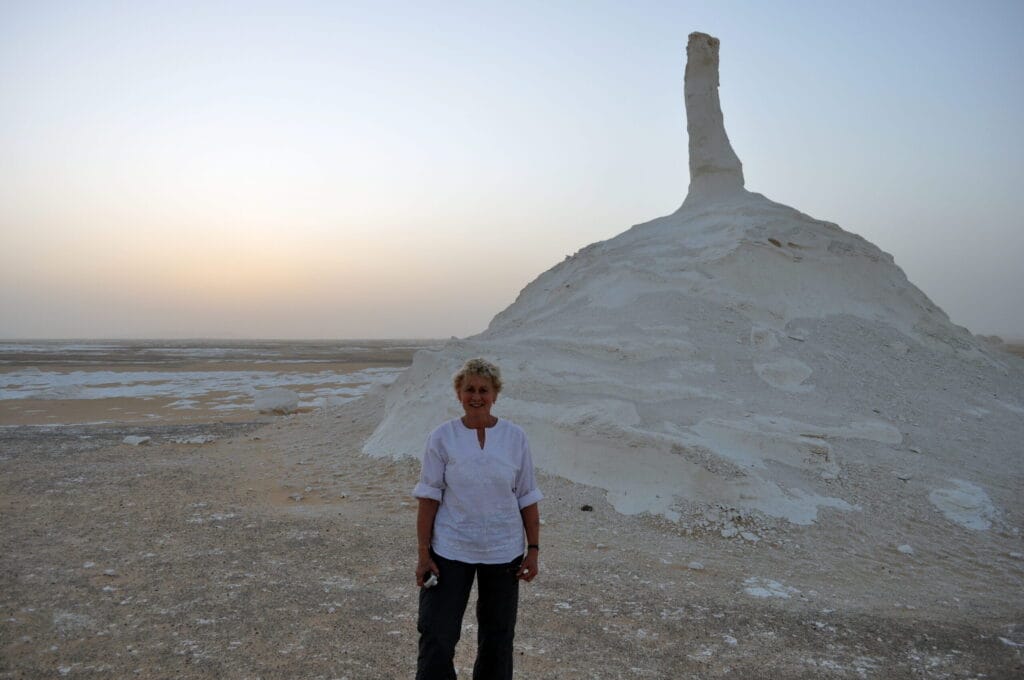
Just a short drive from the oasis, the White Desert presents a landscape that feels utterly alien. Massive chalk formations, sculpted by millennia of wind and sand, rise like mushrooms, icebergs, and abstract sculptures.
The Artistic Canvas: These formations—some reaching tens of meters high—provide unparalleled opportunities for photography, camping, and experiencing true desert solitude under a canopy of unpolluted stars.
Geological Wonder: The chalk is composed of the skeletal remains of tiny marine organisms from a time when the desert floor was covered by an ocean, offering a profound sense of Earth’s geological history.
2. Desert Camping Experience
Farafra is the base for organized camping safaris into the White Desert. Overnight stays offer a dramatic transition as the white rocks shift colors from stark white to fiery orange at sunset.
II. Qasr al Farafra: The Heart of Isolation
The main town, Qasr al Farafra, retains the quiet, unhurried pace characteristic of a community historically cut off from the Nile Valley by hundreds of miles of sand.
3. Traditional Oasis Architecture
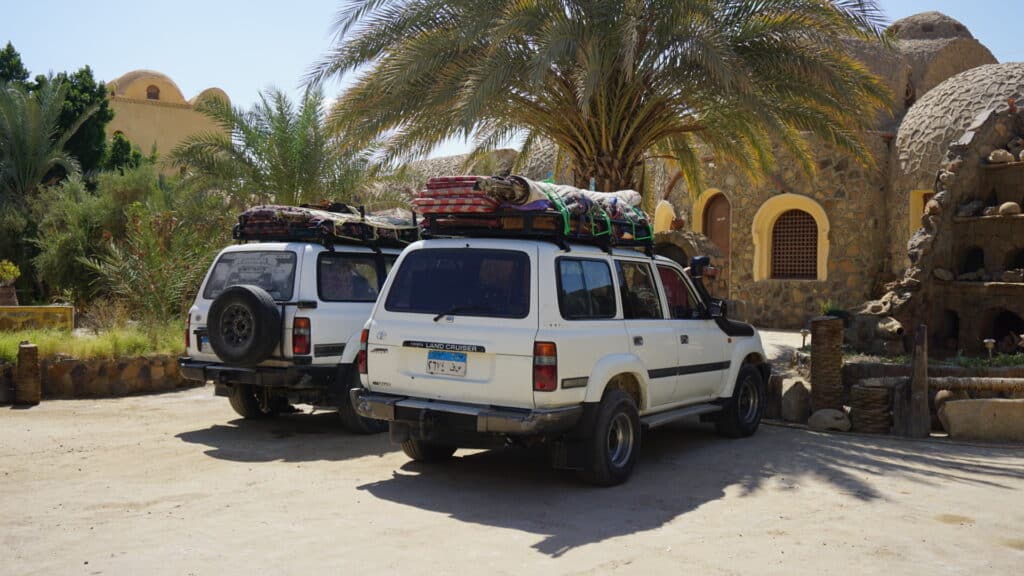
The original settlement, or qasr, is built from traditional mud bricks (adobe), a style perfectly adapted to the desert climate, emphasizing shade and thermal mass.
Cultural Immersion: Wandering the narrow, winding streets of the old town provides a fascinating look at indigenous oasis building techniques and a close connection to the local community structure.
Enduring Simplicity: The architecture reflects a reliance on local, sustainable materials and methods, standing in contrast to the rapid development seen in other parts of Egypt.
4. Bedouin Culture and Life
The local inhabitants of Farafra, largely of Bedouin descent, maintain strong traditions centered around desert survival, hospitality, and resource management.
Authentic Interactions: Travelers often find the people of Farafra to be warm and welcoming, providing an authentic cultural exchange focused on the unique aspects of desert life.
III. Art, Water, and Wellness
Beyond its role as an administrative center, Farafra is known for its natural resources and a surprising local commitment to folk art and wellness.
5. Local Art and the Badr Museum
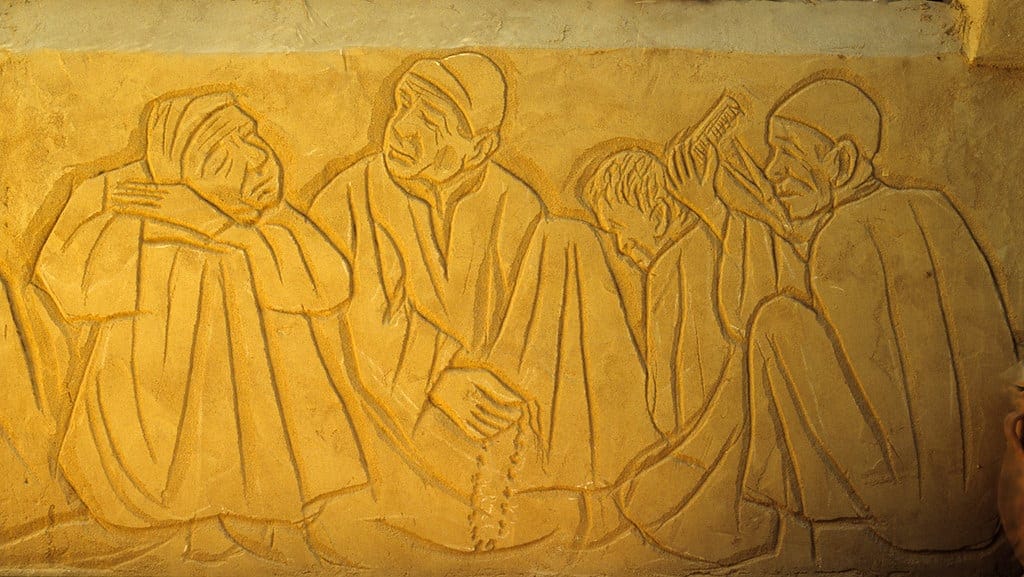
The oasis has fostered a small but unique art scene. The Badr Museum, created by local artist Badr Abdel Moghny, showcases sculptures and paintings made from the natural materials of the oasis, particularly the mud and rocks of the surrounding desert.
Unique Expression: This museum offers a deeply personal and indigenous perspective on the desert environment, utilizing materials like fossilized wood and limestone to reflect the unique spirit of Farafra.
6. Therapeutic Hot Springs
Farafra is blessed with several natural sulfur springs, which are locally renowned for their therapeutic properties.
Bir Sitta and Bir Hadaws: These natural pools offer a chance to relax and soothe tired muscles after days spent trekking in the desert, completing the holistic wellness experience of the oasis.
Conclusion: Solitude and the Surreal
Qasr al Farafra is the essential destination for the traveler seeking profound solitude, raw natural beauty, and a unique intersection of desert culture and surreal landscapes. It represents a different kind of Egyptian history—one shaped by silence, wind, and water, rather than monumental stone.
A visit to Farafra is a journey into the quiet, resilient heart of the Western Desert, perfectly suited for combining with a wider desert adventure.
Ready to explore the magical silence of the White Desert? Let My Egypt Travel guide your unique journey to Farafra.