Egypt’s legendary hospitality, historic wonders, and bustling markets attract millions of tourists each year. While many Egyptians working in tourism speak English, using a few friendly Egyptian Arabic phrases can enrich your experience, foster connections, and help you navigate daily situations with confidence. This guide covers essential greetings, practical questions, shopping tips, dining, health, and emergency phrases—and shows you how to use them effectively.
Why Learn Egyptian Arabic Before You Visit?
Break the Ice: A simple greeting increases friendliness and helps you interact with locals.
Navigate More Easily: Asking for directions and prices is easier in the local language.
Cultural Respect: Egyptians appreciate tourists who make an effort.
Safer & Smoother Travel: You’ll handle emergencies or medical needs more confidently.
Egyptian Arabic Basics: Pronunciation Tips
Egyptian Arabic uses the Arabic script, but pronunciation and daily phrases are unique.
Consonants are generally pronounced as in English; vowels are short and clear.
The “kh” sound (خير, kheir) is pronounced like the Scottish “loch.”
“Sh” (ش, sh) and “gh” (غ, gh) are common and soft.
Essential Greetings and Interactions
Common Hellos & Goodbyes
مرحبا (marhaba) — Hello
صباح الخير (sabah el-kheir) — Good morning
مساء الخير (masa’ el-kheir) — Good evening
مع السلامة (ma‘a as-salama) — Goodbye
إزيك؟ (izzayak? to a man) / إزيكِ؟ (izzayek? to a woman) — How are you?
Politeness Matters
شكرا (shukran) — Thank you
من فضلك (min fadlak – to a man / min fadlik – to a woman) — Please
لو سمحت (law samaht – to a man / law samahti – to a woman) — Excuse me
آسف (aasif – to a man) / آسفة (aasifa – to a woman) — Sorry
Asking for Help, Directions, and Information
Useful Questions
بتتكلم إنجليزي؟ (betetkallem inglizi? to a man)
بتتكلمي إنجليزي؟ (betetkallemi inglizi? to a woman) — Do you speak English?
فين …؟ (feyn …?) — Where is …? (e.g., فين الفندق؟ feyn el-funduq? — Where is the hotel?)
ممكن تساعدني؟ (momken tsa‘edni?) — Can you help me?
أروح إزاي …؟ (arouh izzay …?) — How do I get to …?
Responses and Directions
يمين (yemeen) — Right
شمال (shimaal) — Left
على طول (‘ala tool) — Straight ahead
قريب (orayyib) — Near
بعيد (ba‘eed) — Far
Shopping & Bargaining Essentials
Key Shopping Phrases
بكام ده؟ (bekam da? For masculine objects)
بكام دي؟ (bekam di? For feminine objects) — How much is this?
غالي! (ghali!) — Expensive!
ممكن تخفض السعر؟ (momken tekhfed el-se‘r?) — Can you make it cheaper?
أنا عايز أشتري… (ana ‘ayez ashtiri … for men)
أنا عايزة أشتري… (ana ‘ayza ashtiri … for women) — I want to buy …
Tips for Successful Bargaining
Use a smile and polite tone.
Start at half the asking price and negotiate up.
If you don’t want to buy, say لا شكرا (la shukran) — No thank you.
Ordering Food, Drinks & Dining Out
At the Restaurant or Café
عايز أطلب … (‘ayez atlob … for men)
عايزة أطلب … (‘ayza atlob … for women) — I’d like to order…
مياه (mayya) — Water
شاي (shay) — Tea
قهوة (ahwa) — Coffee
عصير (‘aseer) — Juice
من غير تلج لو سمحت (men gher talg law samaht) — Without ice, please.
الحساب لو سمحت (el-hesab law samaht) — The bill, please.
الأكل دا فيه لحمة؟ (el-akl da fīh lahma?) — Does this food contain meat?
Street Food Safety
Choose busy, clean vendors.
Ask الأكل دا طازة؟ (el-akl da taza?) — Is this food fresh?
Health, Emergencies & Safety
Critical Phrases
أنا محتاج دكتور (ana mehtage doctor) — I need a doctor
عندي حساسية من … (‘andi hasasiya men …) — I am allergic to …
الأكل / الشرب دا آمن؟ (el-akl / el-shorb da amen?) — Is this food/drink safe?
تقدر تساعدني بسرعة؟ (te’der tsa‘edni besor‘a?) — Can you help me quickly?
اتصل بالشرطة (etesel bel-shorta) — Call the police
Numbers and Counting
واحد (wahid) — One
اثنين (etneen) — Two
ثلاثة (talata) — Three
Useful Egyptian Arabic Words for Tourists
نعم (na‘am) — Yes
لا (la’) — No
تمام (tamam) — OK
سائح (sa’eh) — Tourist
مطار (matar) — Airport
متحف (mat-haf) — Museum
Tips for Using Arabic in Egypt
Don’t worry about mistakes—locals love the effort!
Use gestures, smiles, and simple words for clarity.
Most young people speak some English; a few Arabic phrases always help.
Extra Travel Tips: When and How to Use Arabic
At Hotels or Tours
Most staff speak English, but greetings and thanks in Arabic show extra respect.
Try صباح الخير(sabah el-kheir) in the morning and شكرا (shukran) after service.
In Markets and Bazaars
Use بكام ده؟ (bekam da?) before buying anything.
Polite refusals (لا شكرا – la shukran) are appreciated.
When Traveling or Lost
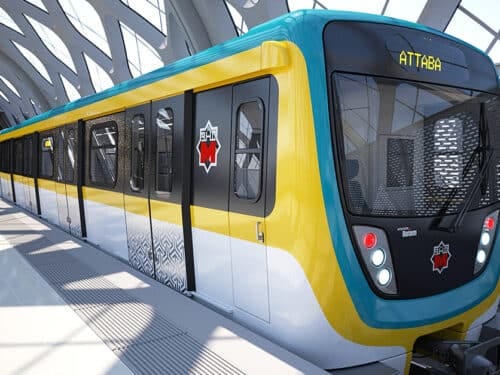
فين أقرب محطة مترو؟ (feyn aqrab mahattet metro?) — Where is the nearest metro station?
فين الفندق بتاعي؟ (feyn el-funduq beta‘i?) — Where is my hotel?
Conclusion: Speak Egyptian Arabic, Travel with Confidence
A few Egyptian Arabic words bring smiles, open doors, and make every day of your trip easier. Save or print this list of phrases, and consider learning more through audio guides or a simple phrase app.
Ready for an authentic, hassle-free Egyptian adventure? Our travel packages include local guides who offer language tips and practical support every step of your journey!