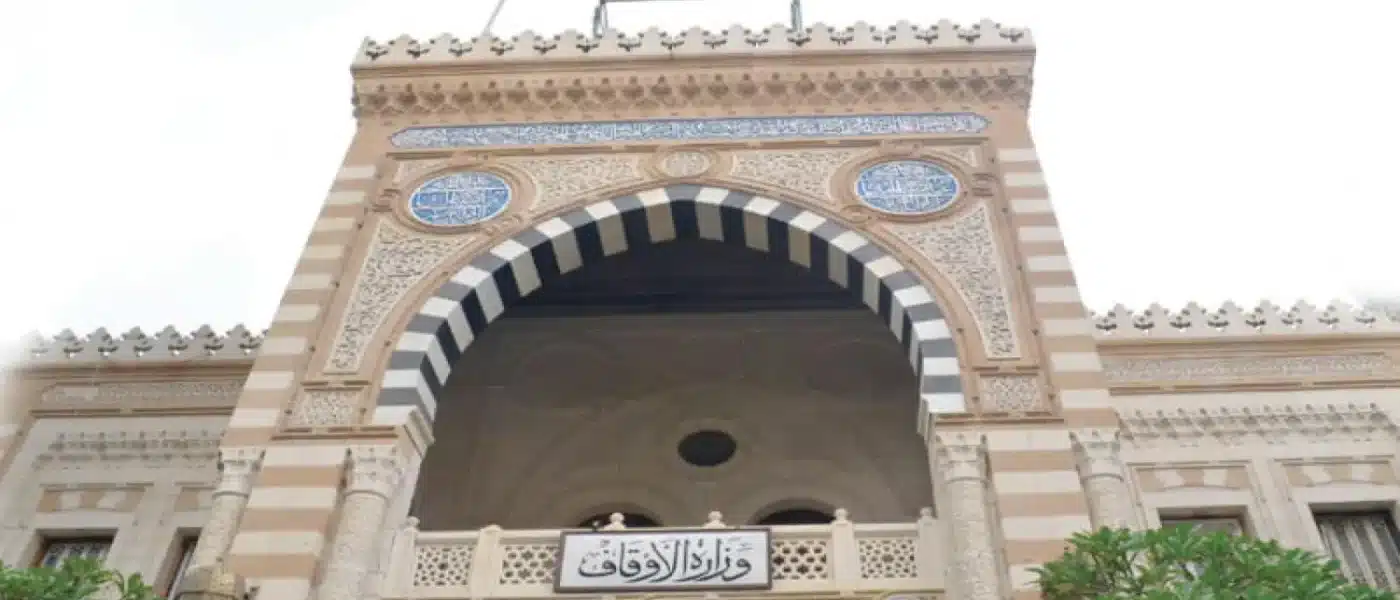
The Ministry of Awqaf’s decision to open 21 mosques across Egypt as part of a wider restoration and construction plan is more than a local religious news item; it is a clear message about caring for Islamic heritage and community life in every governorate. For travelers, especially Muslims seeking faith‑friendly and halal experiences, these mosques highlight living places of worship where spirituality, architecture, and local Egyptian culture meet.
Egypt’s mosque restoration drive
Over the last decade, Egypt has invested heavily in restoring, rebuilding, and maintaining mosques from Alexandria to Aswan. According to the Ministry of Awqaf, from July 2014 up to now, 13,923 mosques have been rebuilt, restored, or maintained nationwide, with a total cost estimated at about 24.66 billion Egyptian pounds.
This effort is not limited to major historic mosques in Cairo and other big cities but extends deep into villages, small towns, and new communities. The goal is to ensure that every neighborhood has a safe, beautiful, and well‑equipped house of worship that reflects both religious devotion and national development.
The latest opening: 21 mosques across Egypt
Within this broader plan, the Ministry of Awqaf recently inaugurated 21 mosques in a single batch as part of its continuing programme to “reconstruct the houses of God.” This group includes one newly built mosque, 15 mosques that were completely replaced and rebuilt from the ground up, and 5 that underwent maintenance and development to improve their condition while preserving their original structure.
The openings took place on Friday and involved mosques in a wide range of governorates including Sohag, Luxor, Qena, Sharqia, Beheira, Beni Suef, Matrouh, Fayoum, Assiut, Qalyubia, and Aswan. This geographical spread shows how the restoration plan is designed to be balanced, serving Upper Egypt, the Delta, and coastal regions alike.
Names and locations of the 21 mosques
For travelers interested in Islamic heritage, knowing the exact names and locations of these mosques turns a news headline into a potential itinerary. Many of these mosques are located in villages and districts that rarely appear in classic guidebooks but represent the heart of everyday Egyptian religious life.
In Sohag Governorate, the Sheikh Salem Khebza Mosque in the village of Al‑Salamoun, Tama Center, was inaugurated, giving worshippers a renewed space for Friday prayers and religious lessons.
Luxor Governorate, famous worldwide for its temples and tombs, also features in this batch through Al‑Hasanat Mosque in the village of Komir, Esna Center, which was rebuilt, and Al‑Sayyid Youssef Mosque in the village of Al‑Gharbi Qamoula, Qurna Center, which received maintenance and development. These mosques give visitors to Luxor the opportunity to see how contemporary spiritual life continues alongside ancient Pharaonic monuments.
In Qena Governorate, several community mosques were opened or renewed: Nag Ghalab Mosque in the village of Al‑Aliqat, Qus Center; Al‑Khatib Family Mosque in the village of Al‑Assirat, Farshout Center; Al‑Abed Mosque in the village of Al‑Rizqa, Abu Tesht Center; and Al‑Fakharani Family Mosque in the village of Al‑Rahmaniya, Nag Hammadi Center, which underwent maintenance and development. These mosques serve small communities that are deeply rooted in Upper Egyptian traditions and hospitality.
In Sharqia Governorate in the Delta, Al‑Kabir Mosque in Ezbet Atwa, Deyerb Negm Center, was reopened, and a completely new mosque, Al‑Sahaba Mosque, was built in Zagazig Center. These sites reflect the growth of urban and semi‑urban communities and their need for modern, well‑organized places of worship.
Beheira Governorate in the western Delta saw the opening of Al‑Taqwa Mosque in the village of Saber Riyad in Nubariya at Abu Al‑Matamir Center, Al‑Shaeira Al‑Sughra Mosque in the village of Compania Abu Qir at Kafr Al‑Dawwar Center, and Al‑Ikhlas Mosque in the village of Al‑Rabea Buzur in Nubariya at Abu Al‑Matamir Center. These mosques serve mixed agricultural and industrial communities along important transport routes.
In Beni Suef Governorate, Al‑Tahreer Mosque in the village of Al‑Riyad, Nasser Center, was opened to serve worshippers in this central Upper Egyptian province. In Matrouh Governorate on the northwest coast, Sayed Darwish Mosque in the village of Sayed Darwish (known locally as Nagr Al‑Sukkar) and Al‑Kabir Mosque in village 29, both in El‑Hammam City and Center, were inaugurated, offering travelers on the coastal road convenient and welcoming places for prayer.
Fayoum Governorate, known for its lakes and rural landscapes, witnessed the opening or development of Abu Salman Mosque in the village of Shaalan, Youssef Al‑Siddiq Center; Abdel‑Qawi Mabed (Abdel‑Qawi Maabad) Mosque in the village of Abu Kasa, Abshway Center; and Al‑Ahmed Family Mosque in the village of Al‑Ameriya, Fayoum Center, which was maintained and developed. These mosques add a spiritual dimension to visits to Fayoum’s natural and archaeological sites.
In Assiut Governorate, Al‑Anwar Mosque in the village of Deir Al‑Ghanadla, Al‑Ghanayem Center, was opened, strengthening religious services in a region where Christian and Muslim heritage sit side by side. Qalyubia Governorate near Cairo saw the maintenance and development of Al‑Huda Mosque in the village of Sahel Dagwa, Benha Center, while in Aswan Governorate, Sheikh Eissa Mosque in Nag Al‑Gezeira, Aswan Center, was also maintained and upgraded. These sites underline how the restoration programme reaches from the Nile Delta down to the far south.
What this means for Islamic heritage and communities
Each mosque in this list is more than a new building; it is a community center, a school for morals, and a space for solidarity. When the Ministry of Awqaf rebuilds or restores a mosque, it is also improving the environment for Quran classes, religious lessons, charity work, and social support networks that operate around prayer halls.
The large number of mosques restored since 2014 shows a long‑term strategy to protect religious infrastructure, especially in poorer areas where local donations alone cannot fund major construction projects. For many residents, a renewed mosque with good lighting, sound systems, and safe, clean facilities is a symbol of dignity and attention from the state.
Visiting these mosques on halal and faith‑friendly tours
For Muslim travelers, visiting Egypt is not only about seeing monuments and museums; it is about experiencing salah (prayer) in different cities, listening to the adhan in new environments, and feeling connected to local communities. A tour that includes some of these newly opened or restored mosques allows visitors to see how Islamic life is practiced daily in villages and towns, not just in famous historic mosques.
My Egypt Travel offers halal, faith‑friendly tours that are designed around the needs and values of Muslim guests. These itineraries respect prayer times, include regular stops at mosques for congregational prayers, and ensure that all meals are halal, with modest, family‑friendly activities and dress‑sensitive suggestions built into every day’s programme.
Suggested routes that include the new mosques
One way to integrate the 21 mosques into your travel plans is to design regional routes that combine well‑known attractions with community mosques from the latest Awqaf list. In Upper Egypt, for example, a journey could include Luxor’s temples and tombs along with Al‑Hasanat Mosque in Komir, Al‑Sayyid Youssef Mosque in Al‑Gharbi Qamoula, and Nag Ghalab Mosque in Qena, giving travelers a chance to meet locals and join prayer in a village setting.
In the Delta and coastal region, another itinerary might take guests from Cairo towards Sharqia and Beheira, stopping at Al‑Sahaba Mosque in Zagazig, Al‑Kabir Mosque in Ezbet Atwa, and Al‑Taqwa or Al‑Ikhlas Mosques in Beheira, combined with visits to fields, markets, and nearby heritage sites. Along the northwest coast, Sayed Darwish Mosque and Al‑Kabir Mosque in El‑Hammam can be part of a halal beach and family holiday route, where prayer facilities are central rather than an afterthought.
In Fayoum and Beni Suef, Abu Salman Mosque, Abdel‑Qawi Mabed Mosque, Al‑Ahmed Family Mosque, and Al‑Tahreer Mosque can be included in nature and countryside tours around Lake Qarun, rural villages, and palm groves. In Aswan and Assiut, mosque visits can be combined with Nubian culture, Nile cruises, and Upper Egyptian hospitality, with Sheikh Eissa Mosque and Al‑Anwar Mosque serving as spiritual anchors during the journey.
Why choose halal tours with My Egypt Travel
Choosing a halal, faith‑friendly tour with My Egypt Travel means traveling with an agency that understands both the spiritual and practical needs of Muslim visitors. Itineraries are crafted to include mosque visits, clean and appropriate facilities, halal dining, and time for personal worship, all while exploring Egypt’s rich history and landscapes.
By linking news such as the opening of 21 mosques to real‑world experiences on the ground, My Egypt Travel turns headlines into meaningful journeys that connect guests with local communities, living mosques, and the ongoing story of Islamic heritage in Egypt. Travelers who want to pray in new mosques, support restored houses of worship, and enjoy a fully halal experience are invited to book their next faith‑friendly tour and explore Egypt through its renewed masajid and timeless spirituality.