Introduction: Why Visit El Alamein?
El Alamein on Egypt’s Mediterranean coast is famous worldwide for its decisive WWII battles and moving war cemeteries, but today it is also a peaceful seaside destination with clear turquoise water and soft white sand. Travelers can walk through tanks and trenches in the morning, then relax on the beach or explore New Alamein’s towers, promenades, and cafés in the afternoon.
This mix of history and modern leisure makes El Alamein ideal for culture lovers, families, and North Coast holidaymakers looking for a meaningful day trip or short stay.
Where Is El Alamein and How to Get There?
El Alamein lies on Egypt’s North Coast, between Alexandria and Marsa Matrouh, about 250 km northwest of Cairo and roughly 110 km west of Alexandria by road. The main highway connections are very good, making it an easy extension to any Cairo or Alexandria trip.
From Cairo: Around 3 hours by private car or tourist bus via the Cairo–Alexandria Desert Road and then the coastal road west.
From Alexandria: Roughly 1.5–2 hours by car along the coastal highway, suitable for a long day trip including museum and cemeteries.
By bus: Several bus companies operate services from Cairo and Alexandria towards the North Coast with stops near El Alamein and New Alamein.
New Alamein has also been planned with future rail and infrastructure links in mind, making access easier each year as projects progress.
A Brief History: The Battles of El Alamein
El Alamein became a global name during World War II, when two major battles in 1942 halted the Axis advance across North Africa. British and Commonwealth forces under General Montgomery faced German and Italian troops led by Rommel along a narrow strip of desert between the Mediterranean Sea and the Qattara Depression.
The Second Battle of El Alamein (October–November 1942) ended in a decisive Allied victory, often seen as a turning point of the war because it stopped the push towards the Suez Canal and Middle Eastern oil fields. Today, museums, monuments, and cemeteries around the town preserve the memory of tens of thousands of soldiers from many nations who fought and died there.
Main Attractions and Things to Do
El Alamein Military Museum
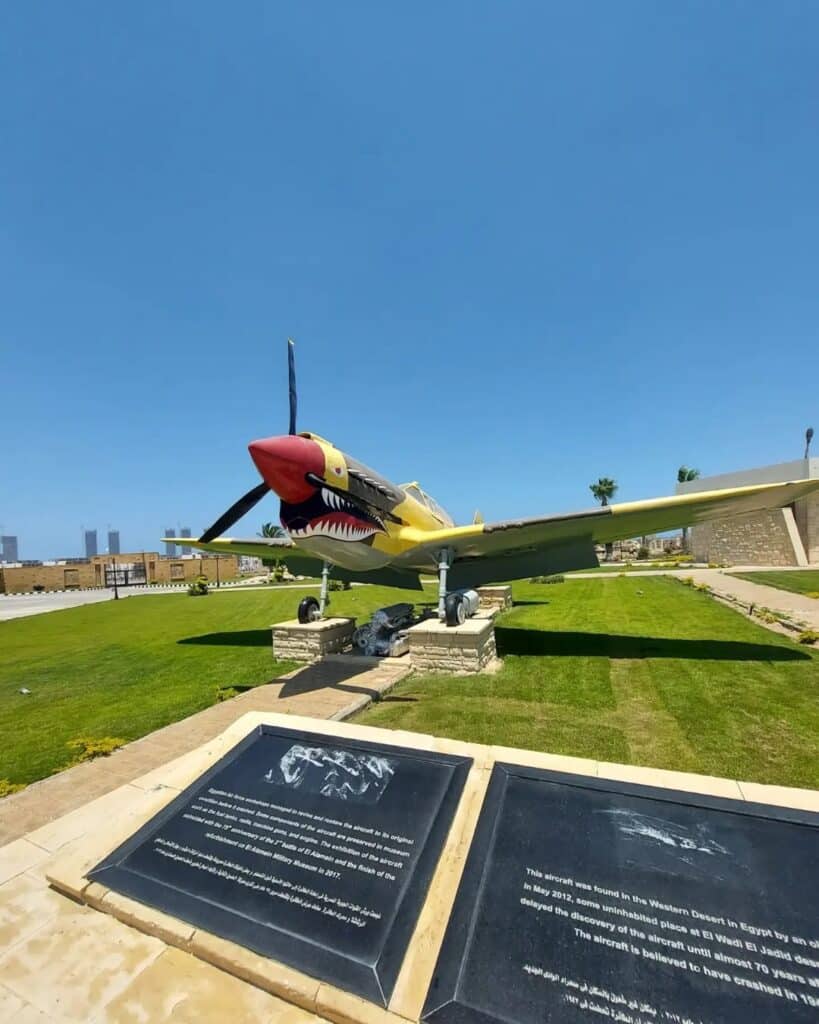
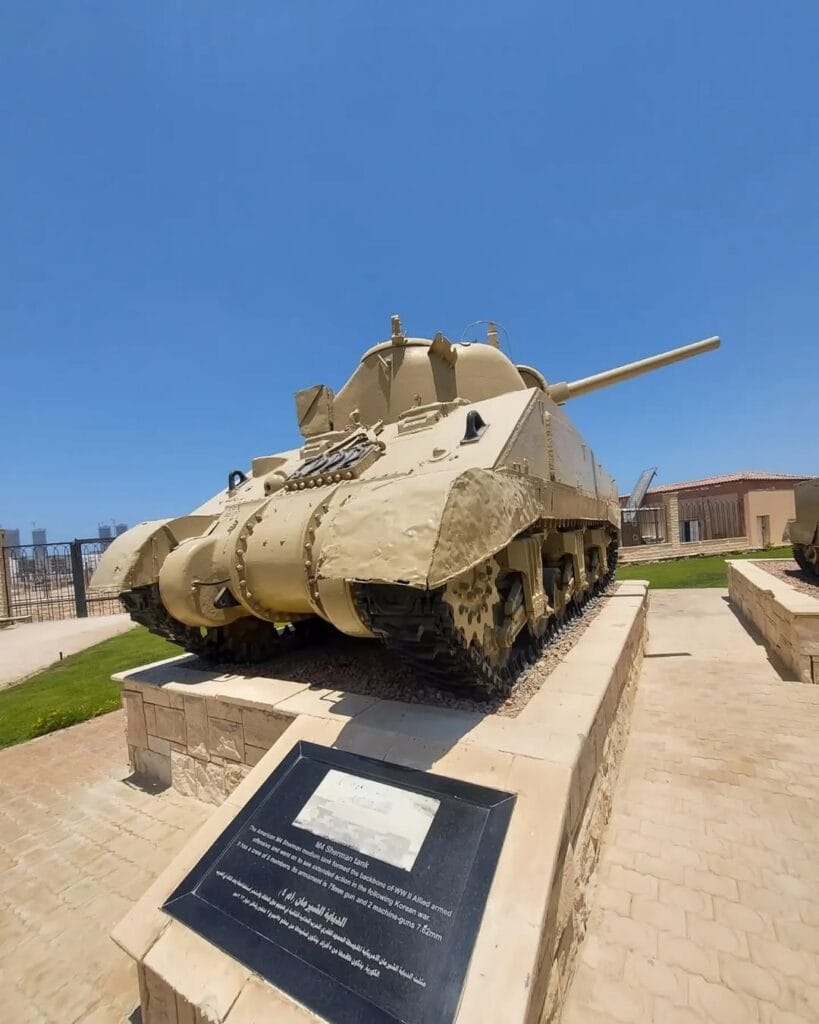
The El Alamein Military Museum is usually the first stop for visitors interested in history, as it gives an overview of the North Africa campaign and the battles fought nearby. Exhibits include tanks, artillery, uniforms, maps, photographs, and dioramas representing the different armies that took part—Egyptian, British/Commonwealth, German, and Italian.
Information panels and models help visitors understand how the battle lines moved and why geography around El Alamein was so strategic. Outdoor displays of vehicles and weaponry make the site engaging for families and school groups as well.
War Cemeteries and Memorials
El Alamein is home to several major cemeteries and memorials that honor soldiers from different nations, each with its own architecture and atmosphere. The Commonwealth War Cemetery holds the graves and names of British, Australian, New Zealand, South African, Indian, and other Commonwealth troops, laid out in orderly rows facing the sea.
The Italian memorial, built as a large white tower-like structure overlooking the coast, includes a chapel and ossuary, while the German cemetery features a more austere design with stone crosses and a central memorial. Visitors are encouraged to dress respectfully, speak quietly, and avoid walking directly on graves, as many families still come here to pay their respects.
Beaches and Mediterranean Coastline
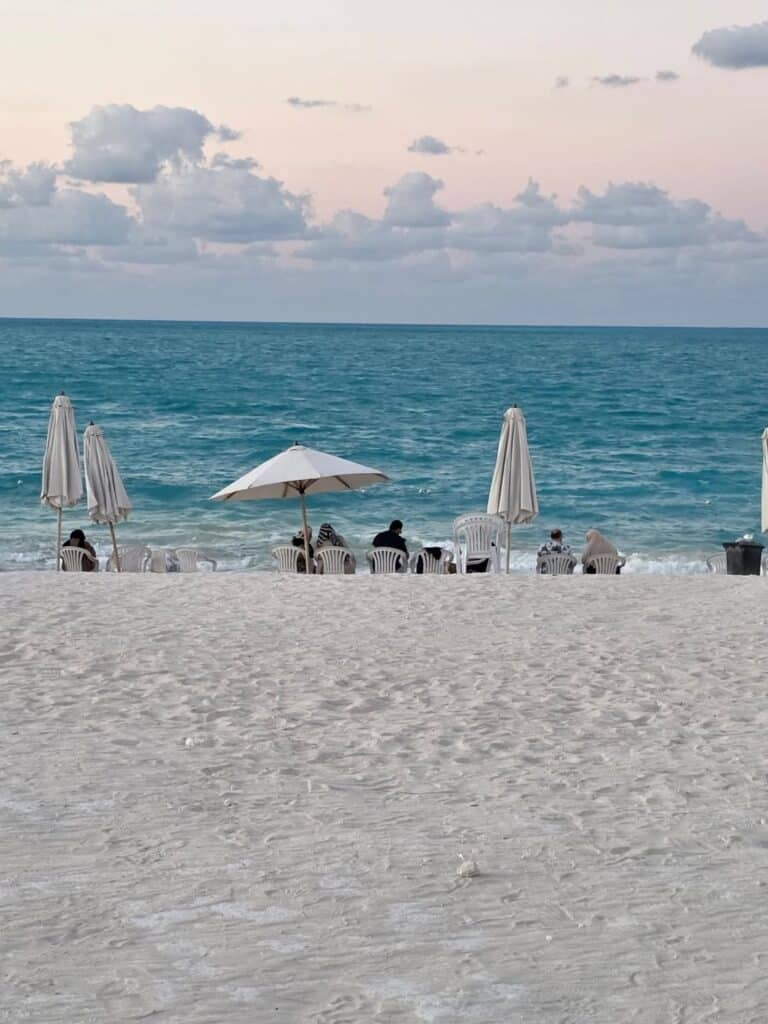
Beyond the battlefields, El Alamein offers classic North Coast scenery with long sandy beaches and clear, often turquoise water that is calm in summer. Beach clubs and resorts provide sunbeds, umbrellas, cafés, and water activities, particularly in and around New Alamein and nearby resorts on the coastal highway.
The sea temperature is usually comfortable from late spring to early autumn, making El Alamein attractive for swimming and relaxation in addition to sightseeing. Families often combine a morning of historical visits with an afternoon at the beach or by the pool.
New Alamein City Highlights
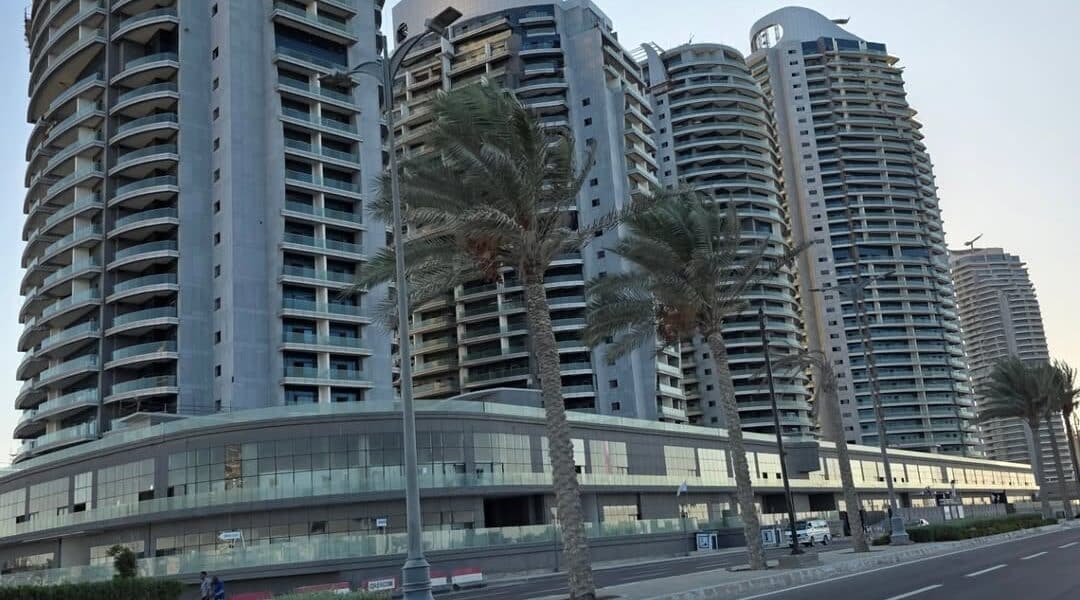
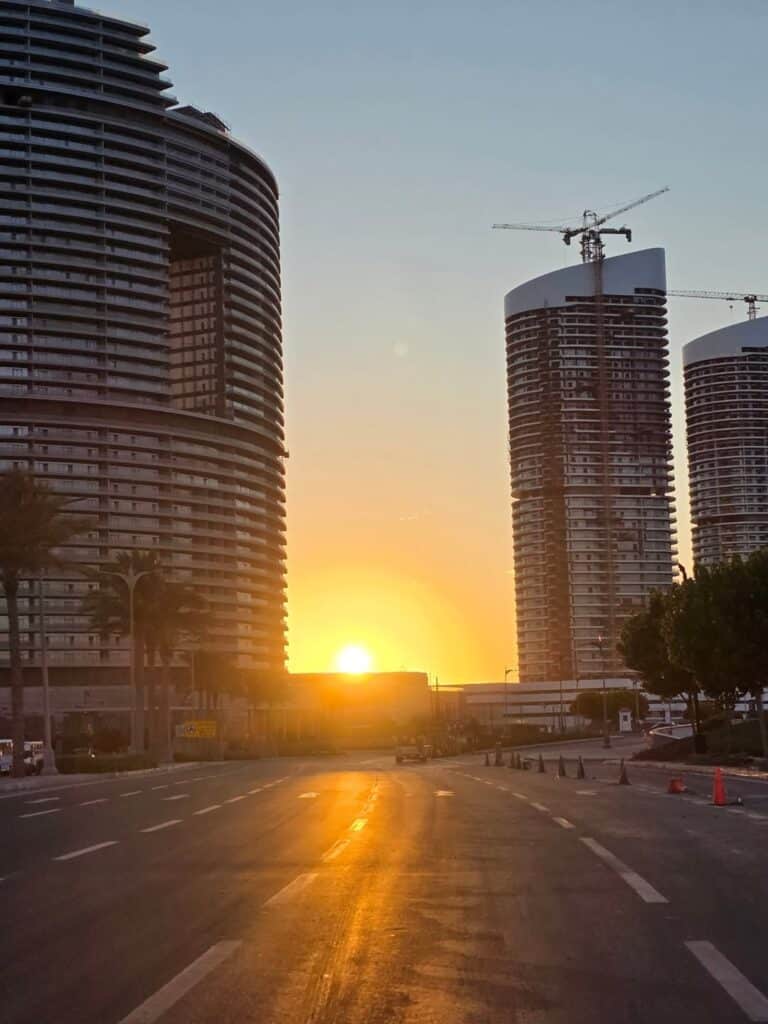
New Alamein City is a major urban development project on the Mediterranean, designed as a modern, year-round city with residential towers, hotels, cultural venues, and landscaped waterfronts. Visitors can stroll along promenades, enjoy cafés and restaurants with sea views, and see contemporary architecture that contrasts strongly with the WWII-era desert landscape nearby.
Key features include residential skyscrapers, artificial lakes, public parks, and planned cultural and entertainment venues that aim to make New Alamein a “fourth generation city” and one of Egypt’s flagship coastal destinations. This modern environment adds a future-facing dimension to trips that start with historical remembrance.
Best Time to Visit El Alamein
El Alamein has a Mediterranean climate, with mild, sometimes rainy winters and hot, dry summers.
Best months: Late spring (April–June) and early autumn (September–October) offer warm temperatures for the beach, without the peak summer heat and crowds.
Summer (July–August): Very popular with Egyptians and regional tourists using North Coast resorts; beaches are lively, but accommodation prices are higher and traffic heavier.
Winter (November–March): Cooler, sometimes windy, with occasional showers; good for visiting museums and cemeteries in comfort, though the sea can be too cool for long swims.
Remembrance events and commemorations around October and November may also attract veterans’ families and official delegations, giving visits an added historical dimension.
Where to Stay in and Around El Alamein
Accommodation options range from simple hotels near the old town to upscale resorts and serviced apartments within New Alamein and nearby coastal compounds.
Beach resorts: Offer direct access to private beaches, pools, restaurants, and family-friendly facilities, popular in summer holidays.
Hotels near the historical sites: More convenient if your main focus is the museum and cemeteries, with easier road access and shorter driving times to the memorials.
North Coast compounds and apartments: In high season, many visitors stay in gated communities along the Mediterranean and visit El Alamein on a day trip.
When choosing, consider whether your priority is history (stay closer to the museum area) or sea and nightlife (favor New Alamein and coastal resorts).
Food, Services, and Practical Tips
El Alamein and New Alamein offer a growing number of cafés, restaurants, and supermarkets, especially along the coastal road and in modern districts. Visitors will find typical Egyptian dishes, seafood, fast food chains, and international options inside malls and hotel areas.
Dress modestly and comfortably for cemetery and museum visits, especially if entering chapels or memorial buildings.
Bring sun protection (hat, sunscreen, water) as sites can be very exposed, especially around midday in hotter months.
Photography is usually allowed in outdoor areas, but flash or indoor photos may be restricted in some museum sections, so always check local signs.
Roads between Cairo, Alexandria, and El Alamein are generally good, but drivers should respect speed limits and be cautious at night due to trucks and occasional fog or dust.
Suggested 1–2 Day Itinerary
A balanced itinerary lets visitors see both the historical and modern sides of El Alamein without rushing.
Day 1: History Focus
Morning: El Alamein Military Museum to understand the battles and the North Africa campaign.
Late Morning/Midday: Visit the Commonwealth War Cemetery, then the Italian and German memorials.
Afternoon: Lunch near the coast and sunset stop by the sea or in a café in New Alamein.
Day 2: Sea and City
Morning: Relax on the beach or enjoy resort facilities along the Mediterranean.
Afternoon: Explore New Alamein City’s promenades, towers, artificial lake area, and shopping or dining spots.
Travelers staying longer on the North Coast can easily integrate this program into wider plans that include Alexandria, Marsa Matrouh, or Siwa Oasis.
Respectful and Responsible Visiting
El Alamein is both a holiday destination and a vast open-air memorial, so visitors are encouraged to balance relaxation with respect for the sites’ historic significance. Keeping voices low in cemeteries, following posted rules, and avoiding climbing on monuments or tanks helps preserve the dignity of these places for all.
By combining visits to the museum, cemeteries, Mediterranean beaches, and New Alamein City, travelers gain a complete picture of how this once-remote battlefield has become a modern coastal city without forgetting its past.