The Grand Egyptian Museum (GEM) stands as one of the world’s greatest cultural treasures, offering a window into the incredible journey of ancient Egyptian civilization. As Cairo’s most ambitious new museum, GEM welcomes visitors with a remarkable collection of historical wonders. To make your visit truly memorable, understanding the main galleries and their organization can help you navigate and appreciate the museum’s unique storytelling approach.
In this guide, you’ll discover an in-depth breakdown of the GEM’s four gallery levels and the three interpretive themes presented on each floor. Whether you’re a first-time visitor, a history enthusiast, or planning an educational family outing, this article will help you make the most of your museum experience.
Grand Egyptian Museum: Gallery Overview
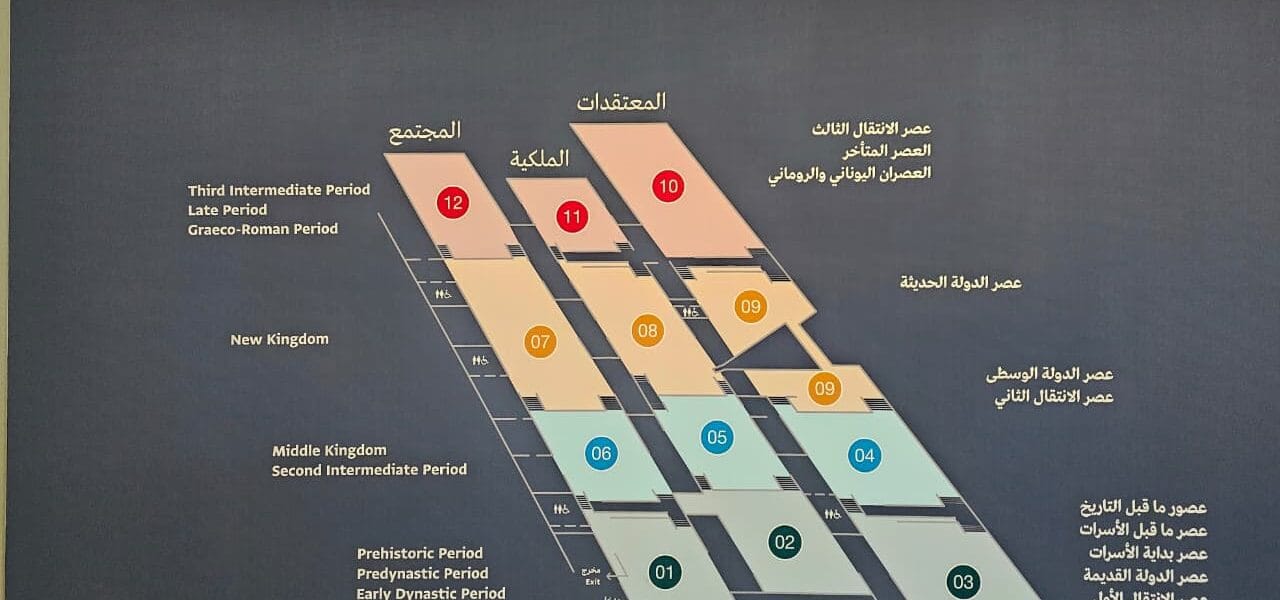
The presentation of Egypt’s ancient past at GEM features a modern, thematic organization that goes far beyond old-fashioned artifact displays. With four expansive levels spanning thousands of years of history, the galleries bring together monumental works, treasures of daily life, and inspiring relics of faith and kingship.
Each level of the museum is organized to guide visitors through Egypt’s historical eras in chronological order, starting from the earliest known cultures to the last dynasties under Graeco-Roman rule.
The Four Levels: A Journey Through Time
Level 1: Prehistoric and Early Egypt
The lower level introduces the beginnings of Egyptian civilization, covering the Prehistoric period, Predynastic period, Early Dynastic period, the Old Kingdom (the age of pyramid building), and the First Intermediate Period. Here, you will find:
Prehistoric artifacts: Ancient tools, pottery, and early art forms illustrating life along the Nile thousands of years ago.
Predynastic displays: Evidence of the rise of organized communities and the first kingship traditions.
Old Kingdom highlights: Marvel at statuary and architectural features from the era of the great pyramids.
Level 2: Middle Kingdom and Second Intermediate Period
Moving upward, visitors step into the achievements and complexities of Egypt’s Middle Kingdom—a time of resurgent art, literature, and stable governance—as well as the Second Intermediate Period, marked by foreign influence and internal change.
Middle Kingdom masterpieces: Carefully crafted jewelry, sculptures, and tomb reliefs.
Hyksos arrival: Displays exploring the impact of foreign rule and innovation.
Level 3: New Kingdom Splendors
The New Kingdom galleries are often considered the museum’s crown jewel, showcasing the zenith of Egypt’s power, wealth, and creativity. This era gave birth to famous pharaohs—including Tutankhamun, Ramses II, and Hatshepsut—and legendary temples.
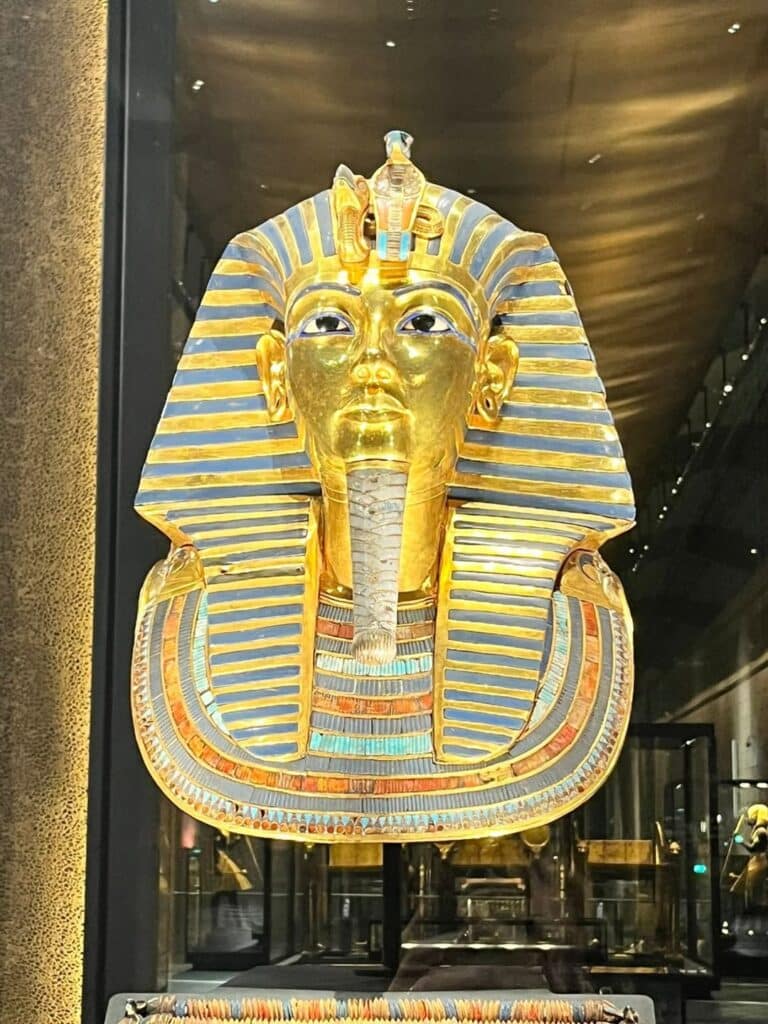
Royal treasures: The iconic golden mask and relics of Tutankhamun, elaborate sarcophagi, and opulent jewelry.
Imperial monuments: Inspiring wall reliefs, large sculptures, and temple architecture.
For an in-depth journey into the wonders of Egypt’s most famous pharaoh, don’t miss our comprehensive feature on Tutankhamun’s Legacy at the Grand Egyptian Museum. Explore the full collection of King Tut’s treasures, the stories behind his golden mask, and fascinating insights about his life and reign.
Level 4: Later Dynasties and Graeco-Roman Period
On the top level, visitors encounter the Third Intermediate Period, the Late Period, and Egypt’s transformation under Greco-Roman rule. The exhibits explore the evolution and continuity of culture, society, and beliefs through centuries of challenge and change.
Sacred animal cults: Statues and mummies of revered animals.
Roman-Egyptian fusion: Vibrant paintings, hybrid sculpture styles, and daily life artifacts.
Three Interpretive Sections: Society, Kingship, and Beliefs
Every gallery floor is divided into three main interpretive sections, offering visitors unique perspectives on Egyptian civilization:
1. Society
Find a vibrant exploration of everyday life. These galleries feature:
Artifacts of domestic life: Items like pottery, clothing, tools, and musical instruments that reveal how ordinary Egyptians lived, worked, and celebrated.
Crafts and industry: Displays showing the evolution of technologies from copper work to pottery, textile weaving, and shipbuilding.
Food and agriculture: Models, tools, and records of Nile valley farming, cuisine, and trade networks.
2. Kingship
Step into the world of Egypt’s rulers and state power:
Royal iconography and regalia: Pharaohs’ crowns, scepters, and ceremonial robes.
Courtly life: Models and reliefs showing palaces, coronations, and diplomatic missions.
Monumental artworks: Massive statues, stelae, and inscriptions depicting royal achievements, cosmic authority, and military exploits.
3. Beliefs
Experience the profound spiritual heritage of Egypt:
Temples and rituals: Items used in sacred ceremonies, temple furnishings, and magical amulets.
Funerary traditions: Canopic jars, sarcophagi, mummification tools, and stunning tomb art showing the journey to the afterlife.
Religious symbols: Images of gods, prayer scrolls, and cult objects, from early animism to sophisticated theologies.
What Makes Visiting the Grand Egyptian Museum’s Galleries Unforgettable?
Interactive exhibits: Use of multimedia, digital screens, and reconstructions to bring ancient Egypt to life.
Family-friendly experiences: Kid-focused galleries, guided tours, and educational programs.
Accessible design: Thoughtful layouts and facilities for guests with mobility needs.
Don’t Miss:
The gallery dedicated to Tutankhamun’s treasures—the largest ever assembled, with many items displayed for the first time since their discovery.
Rotating special exhibits highlighting recent archaeological finds, restoration projects, and international collections.
Panoramic views of the pyramids from selected gallery spaces.
Tips for Planning Your Visit
Arrive early to avoid crowds, especially at the most popular galleries.
Follow the chronological route for a deeper understanding of Egypt’s history.
Use museum maps and signage to choose the interpretive theme (Society, Kingship, Beliefs) that interests you most on each floor.
Book tickets online in advance and consider guided tours for richer insight.
Conclusion
A visit to the Grand Egyptian Museum’s galleries is much more than seeing ancient treasures—it’s an immersive journey through the story of Egyptian civilization. By exploring each level and interpretive section, you’ll gain a deeper understanding of the achievements, beliefs, and daily realities that shaped one of history’s greatest cultures.
Ready to discover even more?
For practical tips, opening hours, and highlights, visit our complete guide: A Guide to Visiting the Grand Egyptian Museum.