Cairo, Egypt’s vibrant capital, offers an extensive and evolving public transportation network that makes navigating this historic metropolis both affordable and accessible. From the established Metro system to the newly launched Monorail, understanding Cairo’s transit options helps travelers experience the city like locals while saving significantly on transportation costs. This comprehensive guide explores every transit option available, ensuring you can confidently move between the Pyramids of Giza, Khan el-Khalili bazaar, and other iconic attractions.
The Cairo Metro: Africa’s First Underground Railway
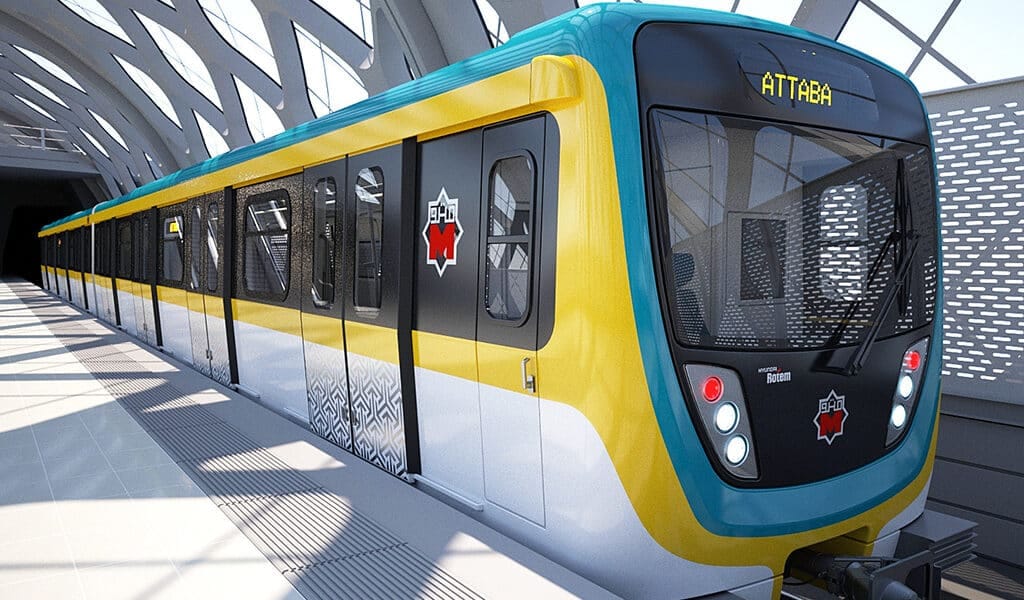
The Cairo Metro holds a special place in transportation history as the first metro system in both Africa and the Arab world, inaugurated in 1987. This extensive network has become the backbone of Cairo’s public transport, efficiently moving millions of passengers daily across the sprawling city.
Metro Lines and Coverage
The Cairo Metro currently operates three main lines spanning 93.1 kilometers with 80 active stations throughout Greater Cairo. Each line serves different areas of the city, making it essential to understand which routes best suit your travel needs.
Line 1 (Red Line) runs from Helwan in the south to New El-Marg in the northeast, covering 35 stations along its route. This line connects residential areas with commercial districts and provides access to numerous local neighborhoods.
Line 2 (Blue Line) connects El-Mounib to Shubra El-Kheima and is particularly valuable for tourists. This line passes through downtown Cairo and includes essential stops like Sadat Station (for Tahrir Square and the Egyptian Museum), Mar Girgis Station (for Coptic Cairo and the Hanging Church), and El Shohadaa Station (for Ramses Train Station).
Line 3 (Green Line) serves newer developments and residential areas while providing crucial connections to the newly launched Monorail system at Stadium Station and Nile Valley Station.
Metro Fares and Tickets
Cairo Metro operates on a distance-based fare system that remains remarkably affordable for travelers. Current ticket prices as of 2026 are structured as follows: trips covering up to 9 stations cost EGP 8, journeys between 10 to 16 stations are priced at EGP 10, trips spanning 17 to 23 stations cost EGP 15, and rides exceeding 23 stations are charged at EGP 20.
The National Authority for Tunnels recently upgraded the payment system with credit card-enabled machines at all Line 1 and Line 2 stations, significantly reducing queuing times and improving passenger flow. These modern ticket machines accept both cash and cards, making the system more accessible to international visitors.
Using the Metro System
Cairo Metro operates with impressive frequency during peak hours, though exact schedules vary by line and time of day. The system features designated women’s carriages, usually the first two cars of each train, providing additional comfort and safety options for female travelers.
Station signage appears in both Arabic and English, making navigation straightforward for international visitors. The metro runs from early morning until midnight, with specific times varying slightly between lines and days of the week.
Cairo Monorail: The Revolutionary New System
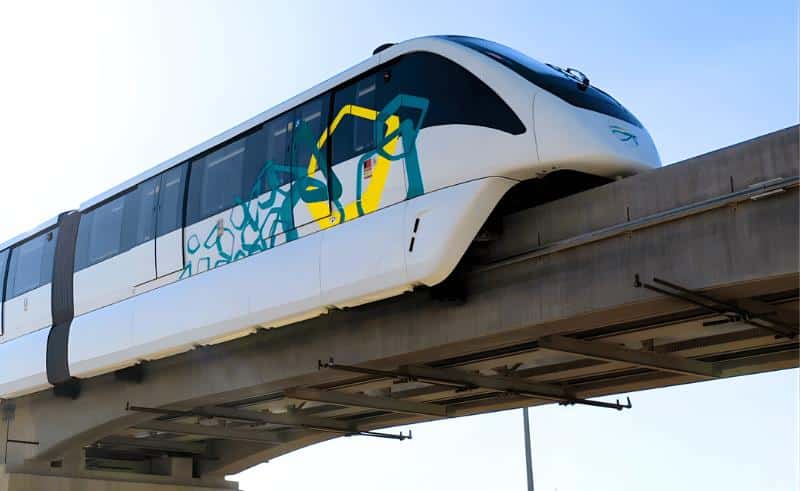
January 2026 marked a transformative milestone in Cairo’s public transportation with the official launch of the Cairo Monorail, one of the world’s longest monorail networks. This state-of-the-art system represents Egypt’s commitment to modern, sustainable urban transport solutions.
Monorail Lines and Routes
The Cairo Monorail comprises two major lines totaling 100 kilometers of track. The East Nile Line stretches 54 kilometers, connecting the New Administrative Capital with East Cairo through 22 strategically placed stations. This line provides crucial access to Egypt’s new governmental hub and intersects with Metro Line 3 at Stadium Station, creating seamless transfer opportunities.
The West Nile Line spans 42 kilometers, linking 6th of October City with Giza via 12 modern stations. This route connects residential communities in western Cairo with the city center and provides another Metro Line 3 connection point at Nile Valley Station.
Monorail Benefits
The Monorail system offers several advantages over traditional transit options, including elevated tracks that bypass street-level traffic congestion, modern air-conditioned carriages, and faster journey times between distant suburbs and central Cairo. The system particularly benefits commuters traveling to the New Administrative Capital and residents of 6th of October City.
Bus Rapid Transit (BRT) System
Cairo’s commitment to sustainable transportation expanded in 2025 with the launch of its Bus Rapid Transit system along the Ring Road. This environmentally conscious option features 100 electric buses, each with a capacity of 66 passengers, providing a clean alternative to traditional diesel buses.
The BRT system operates with remarkable frequency, running buses every 3 minutes during regular hours and increasing to every 1.5 minutes during peak commuting times. This dedicated bus lane system ensures reliable travel times by avoiding general traffic congestion, making it an efficient east-west transport artery across the city.
Traditional Bus Services
Cairo’s conventional bus network offers the most extensive coverage throughout the city, reaching neighborhoods and areas not served by Metro or Monorail lines. The system includes several bus types catering to different needs and budgets.
Bus Types
Large public buses operated by the Cairo Transit Authority display route numbers (in Arabic) along with starting and ending destinations. These marked vehicles follow fixed routes and scheduled stops, making them relatively straightforward for travelers who can read basic Arabic numerals or have route information.
Microbuses represent Cairo’s most flexible transit option, operating on semi-fixed routes throughout the city. Drivers announce destinations, and passengers signal when they want to exit. While microbuses offer quick journeys and frequent service, they can become crowded, and passengers should be familiar with their destination neighborhood.
Large privately-run buses and Suzuki buses supplement the public transit system, serving popular routes with varying levels of comfort and pricing.
Bus Payment Systems
Cairo’s public bus network implemented new electronic fare collection measures in late 2025 to streamline services and improve efficiency. Tickets typically cost around EGP 10 for one-way journeys, with fares varying based on distance traveled.
Taxis and Ride-Hailing Services
For travelers preferring door-to-door service or visiting areas with limited public transit access, taxis and ride-hailing apps provide convenient alternatives.
Uber and Ride-Hailing Apps
Uber operates extensively throughout Cairo with several service levels. UberX, the standard option, charges a base fare of EGP 7, with costs of EGP 0.3 per minute and EGP 2.3 per kilometer, with a minimum charge of EGP 10. Uber Select, offering premium vehicles, starts at EGP 10 base fare with EGP 0.5 per minute and EGP 2.9 per kilometer rates.
Standard taxi rides generally cost EGP 2.80 per kilometer with an initial fee of approximately EGP 8.50. A typical 10-kilometer journey costs around EGP 41, while a 20-kilometer trip runs approximately EGP 74.
Taxi Safety Tips
Using reliable transportation services like Uber or hotel-arranged taxis is recommended for tourists to ensure safety and fair pricing. Ride-hailing apps provide transparent pricing, driver identification, and trip tracking, making them the preferred choice for international visitors.
Airport Transportation
Reaching Cairo’s city center from the airport offers several convenient options. Bus lines 111 and 381 connect the airport directly to Ramses Railway Station in the city center, providing an economical public transport option. Alternatively, Uber and other ride-hailing services operate from the airport, offering direct transportation to hotels and destinations throughout Cairo.
Safety and Practical Tips
General Safety
Cairo’s public transportation is generally safe for tourists when standard precautions are followed. Stay alert in crowded places to avoid pickpockets, particularly during rush hours on Metro trains and buses. Carrying a copy of your passport and emergency contacts provides additional security.
Cultural Considerations
Respecting local customs enhances your transit experience in Cairo. Dress appropriately, particularly on public transportation, and be courteous to fellow passengers. The designated women’s carriages on Metro trains provide comfortable options for female travelers.
Language and Navigation
While many Cairo residents speak English, particularly in tourist areas, having key destinations written in Arabic can help when using buses or communicating with drivers. Metro stations feature bilingual signage, making the underground system particularly accessible for international visitors.
Payment Preparation
Carrying small denominations of Egyptian pounds facilitates easier transactions on buses and traditional taxis. The Metro system now accepts credit cards at major stations, but cash remains useful for contingency situations.
Choosing the Right Transit Option
Selecting appropriate transportation depends on your specific journey requirements, budget, and comfort preferences. The Metro offers the fastest and most predictable travel times for routes along its three lines, making it ideal for reaching major tourist attractions and navigating downtown Cairo efficiently. The new Monorail provides modern, comfortable connections to the New Administrative Capital and 6th of October City for travelers with destinations in these developing areas.
Buses serve neighborhoods and routes not covered by rail systems, offering comprehensive coverage at budget-friendly prices, though journey times vary significantly based on traffic conditions. Taxis and ride-hailing services provide maximum convenience and comfort, particularly valuable when traveling with luggage, visiting multiple destinations, or navigating during evening hours.
Conclusion
Cairo’s diverse public transportation network empowers travelers to explore Egypt’s magnificent capital efficiently and economically. From the historic Metro system connecting iconic sites to the revolutionary Monorail linking new developments, understanding these transit options transforms your Cairo experience from potentially overwhelming to genuinely enjoyable. Whether you’re commuting like locals on the Metro, experiencing the cutting-edge Monorail, or navigating neighborhoods by bus, Cairo’s transportation infrastructure makes this ancient city remarkably accessible to modern visitors.