
Egyptian culture mixes ancient traditions with modern life, and visitors who show basic respect for local customs are usually rewarded with warmer smiles and better experiences. Understanding how to greet people, what to wear, and how to handle tipping or bargaining makes daily interactions smoother whether you are in Cairo, Luxor, or on the Red Sea.
Greetings and Social Manners
Polite greetings are very important in Egypt and set the tone for any interaction. A simple “salaam alaykum” (peace be upon you) or “good morning/afternoon” with eye contact is appreciated, especially when entering shops or speaking with hotel staff.
Handshakes are common between men; handshakes between men and women depend on how conservative the other person is, so wait to see if they offer a hand first.
Using titles like “ustaz/ustaza” (sir/madam) or “haj/hajja” for older people shows respect, as elders hold a high status in Egyptian society.
Avoid overly loud voices, public arguments, or aggressive body language, which can be seen as rude even in busy cities.
Dress Code and Modesty
Egypt is largely conservative in everyday dress, especially outside resort areas, so modest clothing is one of the most important etiquette points for visitors. Shoulders and knees should generally be covered in cities and rural areas for both men and women.
Women are advised to avoid very tight, transparent, or low‑cut clothing in streets and markets; a light scarf is useful to cover hair or shoulders when needed.
Men usually wear trousers rather than shorts in cities and religious places; shorts are more acceptable in beach resorts or hotel pools.
When entering mosques or churches, both men and women should dress more conservatively (long sleeves, long pants or skirts) and remove shoes before stepping into the prayer area; women often cover their hair with a scarf.
Tourist beach zones like Sharm El Sheikh or Hurghada are more relaxed, but covering up when leaving hotel or beach areas still shows respect to locals.
Religious Customs and Ramadan
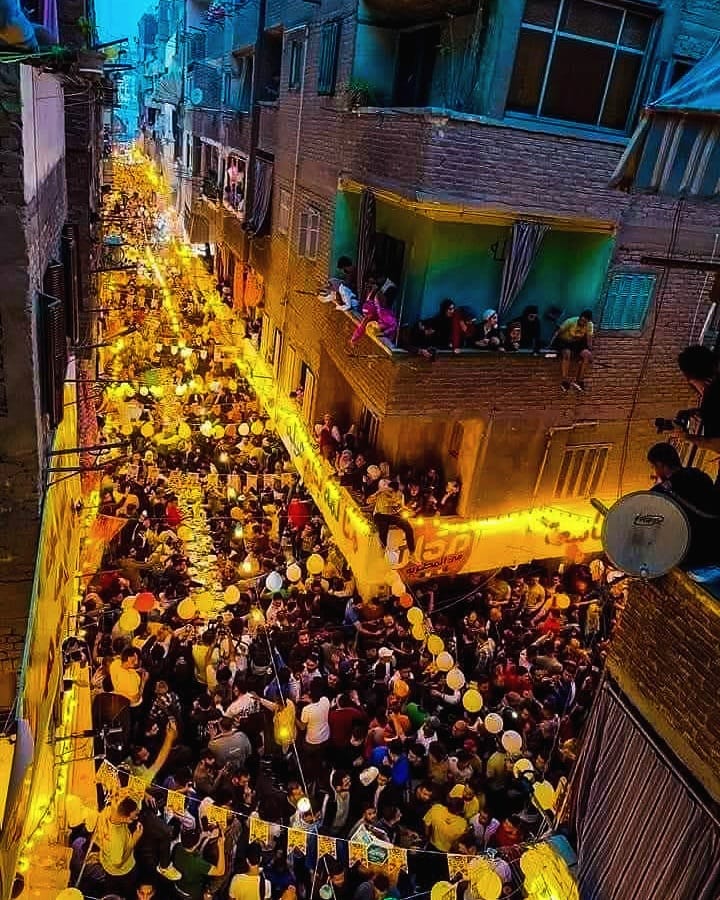
Islam shapes many aspects of daily life in Egypt, and visitors who are aware of this can avoid unintentional disrespect. Calls to prayer are heard several times a day, and some shops or offices may pause briefly so staff can pray or break the fast during Ramadan.
During Ramadan, Muslims do not eat, drink, or smoke from dawn to sunset, and it is considerate for visitors to avoid doing so openly in public spaces, especially in more traditional neighborhoods. Eating in hotel restaurants or more touristy areas is acceptable, but discretion is appreciated.
When visiting mosques open to tourists, always follow signs and guidance from staff: stay out of prayer lines during services, keep voices low, and ask before taking photos as some areas prohibit photography.
Tipping (Baksheesh) and Paying Respectfully
Tipping, known locally as baksheesh, is a normal and expected part of Egyptian daily life rather than an exception. Small tips are given to people who provide services such as carrying bags, cleaning rooms, guiding, or helping with directions.
In restaurants, a tip of about 10–15% on top of any service charge is customary if you are happy with the service.
Hotel staff (porters, housekeeping) often receive around 50–100 EGP per day; guides and drivers can receive larger amounts depending on the length and quality of service.
For small services such as public toilets, parking help, or quick assistance, a few Egyptian pounds are usually enough.
Tipping in Egyptian pounds is easiest for locals, although small amounts in major foreign currencies may sometimes be accepted.
Bargaining and Market Etiquette
Haggling is part of the fun in many Egyptian souks and tourist markets, but it should be friendly rather than hostile. Shopkeepers often start with high prices expecting a negotiation, so travelers can counter with about half and work towards a middle price while keeping a smile.
If you are not interested, a polite “la shukran” (“no, thank you”) plus a smile and walking away is usually the easiest way to end the conversation.
Once you agree on a price, it is considered bad manners to back out or keep pushing it down further.
In fixed‑price shops, malls, larger supermarkets, and many pharmacies, bargaining is not used, so trying to haggle there can feel inappropriate.
Eating, Drinking and Invitations
Hospitality is central to Egyptian culture, and guests are often offered tea, coffee, or soft drinks during visits or even in shops. It is polite to accept at least some refreshments if you can, even if you only take a few sips, as refusing everything can be seen as distant.
If invited into a home, removing shoes at the entrance or in the reception area is common, and bringing a small gift (sweets, pastries, or good quality dates) is always appreciated. At the table, waiting for the host to invite everyone to start eating and trying at least a little of each dish shows respect for the effort put into the meal.
Alcohol is available in many hotels and some restaurants, but drinking in the street or becoming drunk in public is strongly frowned upon, especially in conservative areas.
Photography, Personal Space and “No”
Many Egyptians are warm and curious, but asking before photographing people—especially women, children, or inside religious and rural spaces—is an important sign of respect. Some historical or military sites also restrict photography or require special permits, so always look for signs or ask staff before using cameras or drones.
Physical affection between couples (kissing, long hugs) in public is not common in local culture and can draw disapproving looks outside very touristy zones. A polite but firm “no” is perfectly acceptable if you do not want to buy something or accept a service; combining it with a smile is usually the most effective approach.
By following these simple etiquette guidelines—modest dress, polite greetings, sensitivity around religion, fair tipping, and friendly bargaining—visitors fit in more easily and enjoy the warmth of Egyptian hospitality at its best.