Hidden Gems in Egypt: Off-the-Beaten-Path Destinations
Egypt is famous for the Pyramids of Giza, Luxor’s temples, and Nile cruises, but some of its most memorable experiences are far from the standard tourist trail. Hidden oases, desert valleys, quiet monasteries, and small villages reveal a more intimate side of the country, where travelers meet local communities and see landscapes that never appear on postcards.
For guests who have already visited the “classic” sites—or simply prefer fewer crowds and more authenticity—off‑the‑beaten‑path Egypt is the perfect next step. With the right planning and a trusted tour operator, these hidden gems are safe, rewarding, and surprisingly accessible.
Why go beyond the classic route?
Most first‑time itineraries in Egypt follow a similar pattern: Cairo, the Pyramids, the Egyptian Museum, a Nile cruise between Luxor and Aswan, and maybe a Red Sea resort. This route is iconic for a reason, but it shows only part of what the country has to offer.
Going off the beaten path unlocks:
Quieter landscapes where you may be the only visitor at sunset over dunes or palm groves.
Genuine interactions with villagers, oasis communities, and local guides who rarely meet tourists.
A stronger sense of discovery as you explore places without souvenir lines, cruise crowds, or large tour buses.
Traveling to hidden gems also spreads tourism benefits more fairly, bringing income to smaller towns, eco‑lodges, and family‑run businesses far from the capital. With My Egypt Travel, these experiences are woven into structured itineraries that still prioritize safety, comfort, and professional logistics.
Western Desert wonders
One of Egypt’s most otherworldly regions is the Western Desert, where ancient caravan routes connect a string of oases across an ocean of sand. Here, travelers discover lunar landscapes, hot springs, and quiet villages that feel a world away from Cairo’s traffic.
The White Desert and nearby oases
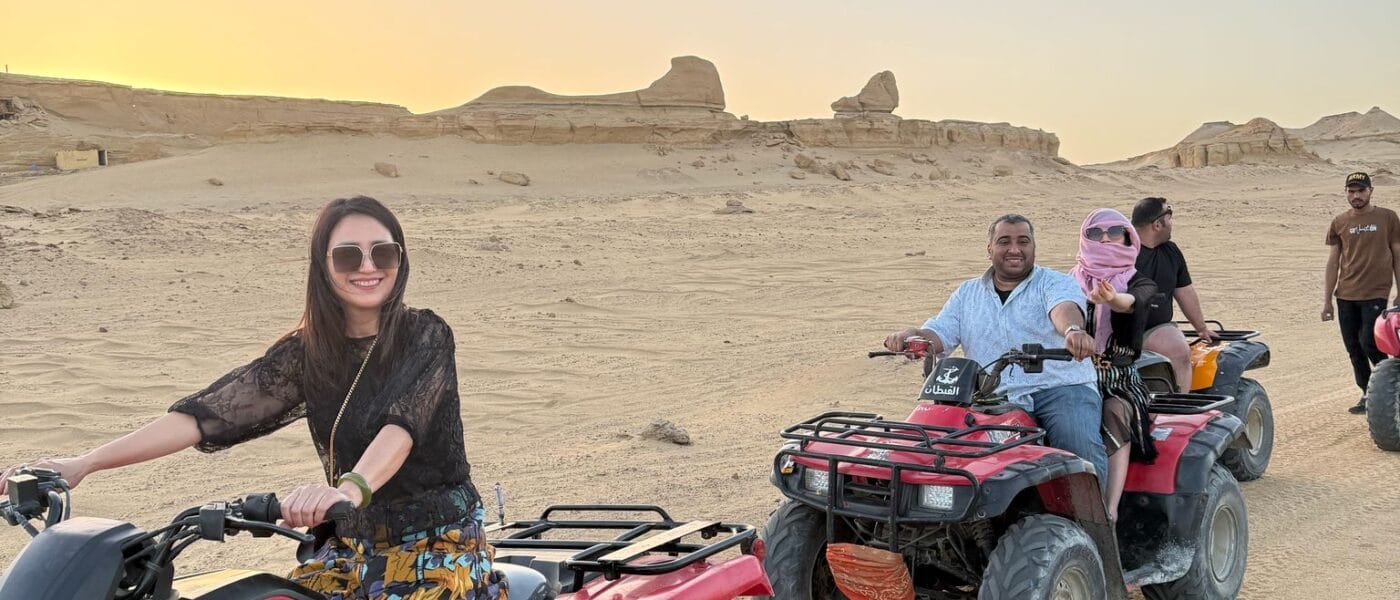
The White Desert near Farafra is perhaps the most spectacular hidden gem. Wind and time have sculpted chalk rock into surreal formations that resemble giant mushrooms, icebergs, or animals scattered across a creamy plateau. An overnight camping trip lets guests watch the rocks glow orange at sunset, shine pale under a full moon, and fade into pink at dawn.
Bahariya Oasis acts as a gateway to the White Desert and the nearby Black Desert, where dark volcanic hills rise out of the sand. Simple guesthouses, palm groves, and hot springs make Bahariya perfect for a one‑ or two‑night stop before deeper desert travel.
Farther south, Dakhla and Kharga Oases are quieter still. Mud‑brick villages, old fortresses, ancient temples, and small farms create an intimate picture of desert life that changes slowly from one generation to the next. Guests can walk through gardens, visit traditional houses, relax in hot springs, and learn how people have adapted to life at the edge of the Sahara for centuries.
Because these areas are remote, it is essential to travel with experienced drivers, 4×4 vehicles, and guides who understand the terrain and required permits. My Egypt Travel arranges Western Desert trips with trusted partners, comfortable camps, and clear safety protocols so visitors can focus on the beauty of the landscape, not the logistics.
Siwa Oasis: Egypt’s remote paradise
Siwa Oasis, near the Libyan border, is one of Egypt’s most enchanting and isolated destinations. Surrounded by golden dunes and salt lakes, Siwa is known for its palm groves, freshwater springs, and unique Amazigh (Berber) culture.
The town of Siwa is dominated by the ruins of the old mud‑brick fortress of Shali, which rises like a sand castle above the palm trees. Narrow alleys, traditional architecture, and hand‑painted doors give the town a distinctive character that feels far removed from the Nile Valley.
Nearby, the Temple of the Oracle of Amun at Aghurmi connects Siwa to world history. Alexander the Great is said to have visited this oracle to confirm his divine status, placing this remote oasis at the center of ancient geopolitical stories. Today, visitors can walk through the ruins and imagine caravan travelers arriving from all corners of the desert.
Siwa’s natural attractions are equally compelling. Crystal‑clear springs like Cleopatra’s Bath offer refreshing swims, while salt lakes near the oasis create buoyant, mirror‑like pools where visitors float without effort. At sunset, dune drives into the Great Sand Sea end with tea around a campfire under an expansive starry sky.
Because of its distance from Cairo, Siwa is best visited on trips of at least three nights at the oasis, often combined with stops in Marsa Matrouh or the North Coast. My Egypt Travel can arrange eco‑lodges built from traditional kershef (salt and mud) materials, local guides, and 4×4 desert excursions tailored to each group’s interests and fitness level.
Fayoum: lakes, fossils, and weekend escapes
Just a couple of hours from Cairo, Fayoum offers a softer, greener vision of Egypt’s hidden side. This region combines sandstone cliffs, desert dunes, fertile fields, and village life around Lake Qarun, making it ideal for weekend escapes or a short add‑on to a Cairo stay.
Wadi El Rayan and Wadi El Hitan
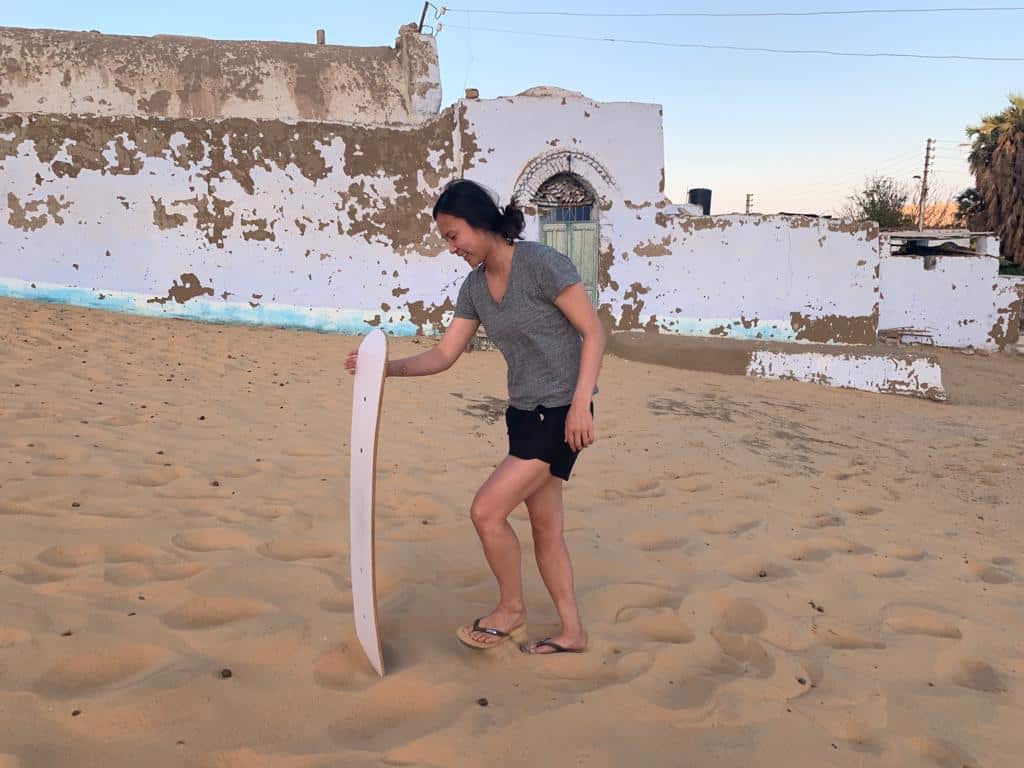
Wadi El Rayan is a protected area known for its man‑made lakes and desert dunes. The waterfalls here may be modest in size, but the combination of water, sand, and sky is striking, and the area is popular for light hiking, sandboarding, and birdwatching.
Further into the desert lies Wadi El Hitan, the “Valley of the Whales,” a UNESCO World Heritage Site where fossils of ancient whales lie exposed in the sand. Visitors walk along marked trails between skeletons and rock formations, seeing how this area was once covered by a prehistoric sea. For geology and nature lovers, it is one of Egypt’s most fascinating outings.
Villages, lodges, and nearby pyramids
Around Fayoum, small villages, pottery workshops, and traditional houses create plenty of opportunities for cultural encounters. Some lodges in the area are designed as rustic retreats with gardens, fireplaces, and rooftop terraces where guests can watch the stars.
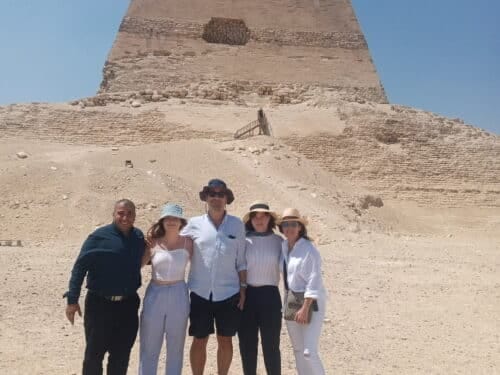
Fayoum can also be a gateway to lesser‑known pyramids such as Meidum, which receives far fewer visitors than Giza but offers a powerful sense of isolation and ancient engineering. My Egypt Travel can organize day trips or overnight programs that blend nature, history, and village visits, all within easy reach of Cairo.
Quiet monasteries and hidden Upper Egypt towns
Upper Egypt is not only temples and tombs; it is also home to early Christian monasteries and smaller Nile towns that most itineraries skip. These sites are ideal for travelers interested in religious history, architecture, and more contemplative experiences.
Sohag, for example, is known for the White Monastery (Deir Anba Shenoute) and the Red Monastery (Deir Anba Bishoi), two late antique monastic complexes with impressive stonework and richly decorated church interiors. Their relative isolation gives visitors time to appreciate architecture and spirituality without rush. Recent archaeological discoveries—such as Byzantine‑era monastic complexes in the Sohag desert—are reinforcing the region’s importance in Christian history.
Farther north, around Minya and Beni Suef, rock‑cut tombs, cliffside churches, and rural villages create a tapestry of lesser‑known sites along the Nile. Guests can explore ancient necropolises, walk in fields, and visit small local markets where few foreign visitors pass, all with the guidance of local experts.
These areas are best visited with knowledgeable guides who understand both the heritage and the sensitivities of visiting active religious sites and small communities. My Egypt Travel builds itineraries that respect prayer times, local customs, and photography rules while still giving guests rich access to these quiet corners of Upper Egypt.
Hidden coastal and Sinai escapes
Beyond famous resorts like Sharm El Sheikh and Hurghada, Egypt’s coasts and Sinai hold more discreet retreats. Small eco‑camps and lodges along the Red Sea and Gulf of Aqaba offer simpler stays closer to nature, with coral reefs just off the beach and starry skies at night.
Protected areas such as Ras Abu Galum and Nabq host mangrove forests, quiet snorkeling spots, and mountain backdrops where Bedouin guides lead small groups. Travelers can hike, snorkel, or ride camels between simple beach camps, far from the noise of large resorts.
In Sinai’s interior, mountain trails and monasteries allow for more adventurous routes, including treks to Mount Sinai and lesser‑visited wadis. These trips require careful planning, attention to safety updates, and coordination with experienced local partners, which is where a specialized operator becomes essential.
Practical tips for exploring off-the-beaten-path Egypt
Hidden gems require slightly different planning than classic city breaks or cruise packages. Travelers should consider:
Season: Desert and oasis areas are best from roughly October to April, when daytime temperatures are more comfortable.
Trip length: Siwa and deep Western Desert itineraries usually need more nights; Fayoum or some monasteries work well as 1–2‑day add‑ons.
Comfort level: Facilities can be simpler in remote areas, but good operators select reliable lodges and camps with clean rooms, safe food, and proper vehicles.
Working with an agency like My Egypt Travel means transport, accommodation, local permits, and vetted guides are arranged ahead of time, reducing uncertainty while preserving the sense of adventure. Trips can be adjusted for families, older travelers, solo visitors, or photographers who need more time at each site.
How My Egypt Travel reveals Egypt’s hidden side
My Egypt Travel specializes in building itineraries that combine Egypt’s icons with its secret corners, so guests do not have to choose between the Pyramids and remote oases. A typical “hidden gems” program might start with a few days in Cairo and Giza, then add Fayoum, a Western Desert circuit, or Siwa, followed by Upper Egypt and, if desired, a Red Sea or Sinai extension.
Tours are designed with flexibility: private vehicles, small‑group sizes, and local guides who know their regions intimately. For visitors with special interests—photography, birdwatching, religious heritage, stargazing, or desert trekking—custom routes can be developed that spend more time in fewer places for deeper experiences.
By choosing hidden‑gem itineraries with a professional operator, travelers help support small communities, discover landscapes few outsiders see, and return home with stories that go far beyond standard tourist checklists. For those ready to step off the main path, My Egypt Travel is prepared to guide them into Egypt’s quieter deserts, oases, villages, and monasteries, where the country’s most intimate magic still lives.