When is Ramadan 2026 in Egypt?
Astronomical calculations indicate that Ramadan 2026 in Egypt is likely to begin on Wednesday 18 February and run until Thursday 19 March, lasting 30 days, with exact dates confirmed by Dar Al‑Ifta the night before.
Prayer timetables for cities like Cairo, Giza, Luxor, Aswan, and Hurghada show early pre‑dawn suhoor times and Maghrib (iftar) around sunset, which structure daily life throughout the month.
What changes during the day?
Many Egyptians fast from dawn to sunset, so mornings and early afternoons are generally quieter, with some shops and smaller restaurants opening later or working reduced hours.
Government offices, banks, and some businesses often adopt shorter Ramadan working hours, which can affect when tickets, reservations, or administration can be handled.
In tourist areas and major hotels, cafes and restaurants usually remain open for non‑fasting guests, but street life and local eateries can be less active during the hottest hours of the day.
Traffic may be lighter in late morning but gets more intense shortly before iftar as people hurry home to break the fast with their families.
Evening atmosphere: iftar, suhoor, and Ramadan nights
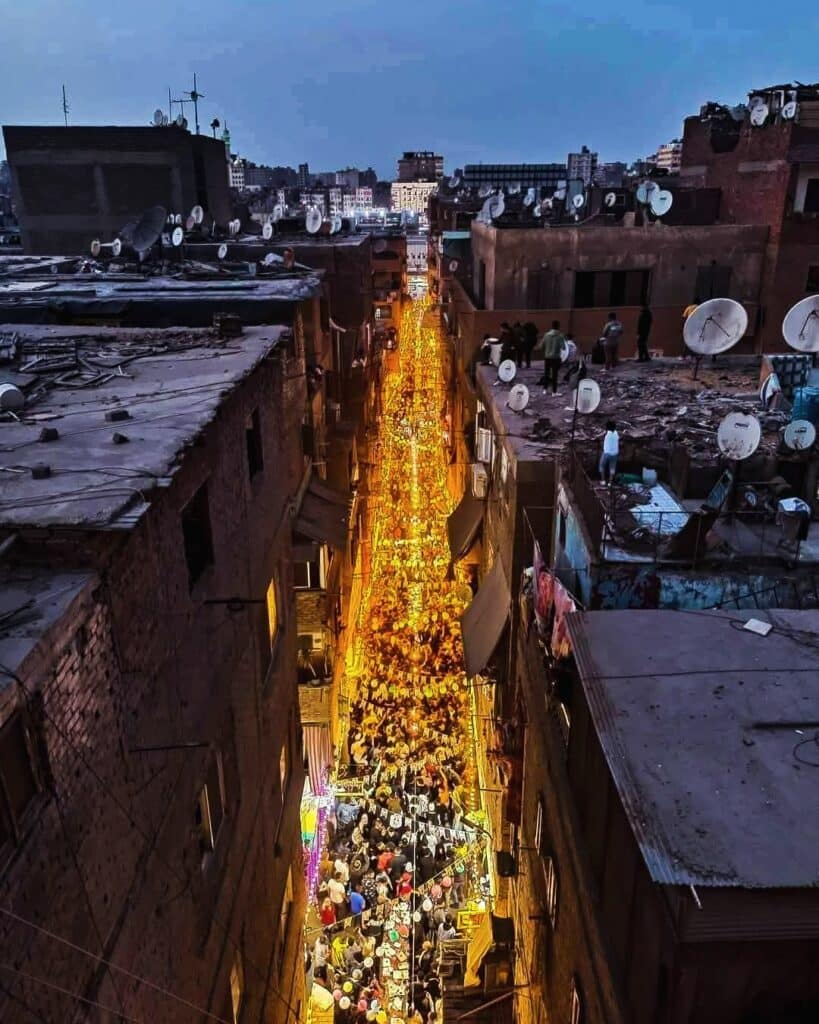
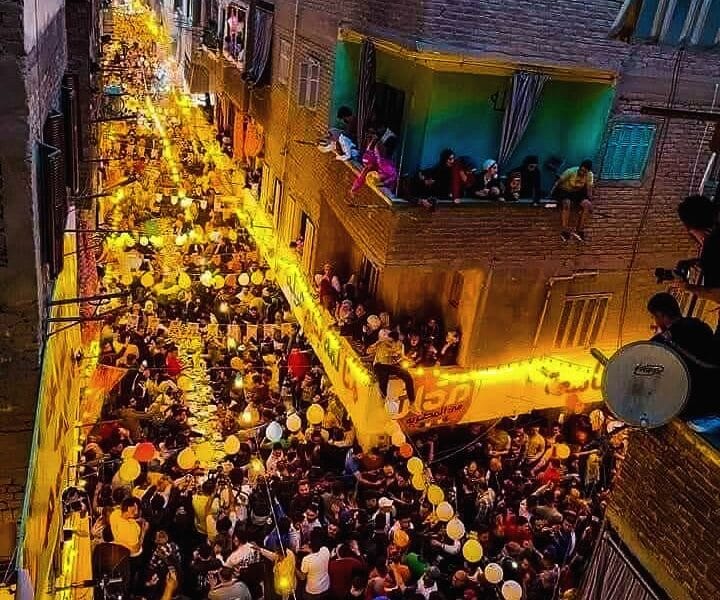
As soon as the Maghrib call to prayer sounds, families and friends gather for iftar, and many neighborhoods come alive with lanterns, decorations, and the smells of traditional dishes.
After iftar, people head out to cafes, Ramadan tents, and markets, and special late‑night prayers (taraweeh) take place in mosques, giving visitors a chance to feel the spiritual side of the month.
Late at night, many Egyptians enjoy suhoor, the pre‑dawn meal, often in cafes or at home, so streets in some districts can be surprisingly busy well after midnight.
Temporary Ramadan markets and street vendors sell sweets, fawanees (lanterns), and snacks, offering tourists a chance to try seasonal specialties and mingle with locals.
Eating, drinking, and etiquette for tourists
Tourists are not expected to fast, but eating, drinking, or smoking in public during daylight hours is considered insensitive in many situations, especially away from tourist zones.
The most respectful approach is to consume food and drinks discreetly, preferably indoors (hotels, some restaurants, tour buses) rather than openly on the street.
Modest dress is advisable year‑round and even more appreciated in Ramadan: shoulders and knees covered in public, especially near mosques and older neighborhoods.
Keeping voices low, avoiding loud music in public, and limiting public displays of affection show respect for the fasting atmosphere and religious focus of the month.
Sightseeing, opening hours, and tours
Major tourist sites such as the Pyramids of Giza, the Egyptian Museum, Luxor and Karnak temples, and Aswan’s monuments generally remain open during Ramadan but may adjust opening or closing times slightly.
Mornings can be excellent for visiting outdoor sites because crowds tend to be smaller and temperatures cooler, while afternoons are often best reserved for rest or indoor attractions.
Some restaurants and shops may close just before iftar and reopen afterward, so it helps to plan dinner reservations or hotel meals ahead of time.
Evening city tours—such as walking in historic districts, Nile dinner cruises, or visiting illuminated monuments—work especially well during Ramadan when the nightlife is vibrant.
Safety, comfort, and practical tips
It remains safe and rewarding to visit Egypt during Ramadan, provided visitors plan around slightly different daily rhythms and remain flexible with timing.
Because some staff and guides will be fasting, patience and understanding go a long way if energy levels are lower in late afternoon or if schedules shift around prayer times.
Carrying a small snack and water in a bag for private consumption can be useful, especially on long excursions, while still avoiding visible eating in public spaces.
Learning simple greetings like “Ramadan Kareem” is appreciated and helps break the ice with locals during this special month.
How My Egypt Travel designs Ramadan‑friendly and halal tours
During Ramadan, tours can be structured so that main sightseeing happens in the morning, with a relaxed break in the early afternoon, and optional cultural experiences after iftar when streets and markets are most alive.
Itineraries can incorporate iftar experiences at local restaurants, hotels, or organized Ramadan tents, giving guests a chance to share the sunset meal and learn about traditions, dishes, and family customs.
For Muslim travelers, My Egypt Travel can adjust programs to include time for daily prayers, taraweeh in notable mosques, and fully halal dining, along with suhoor options for those who are fasting.
For non‑Muslim guests, guides can explain the meaning of fasting, accompany them to evening festivities, and help navigate where and when it is appropriate to eat or drink during the day.
Why visiting Egypt during Ramadan is special
Ramadan adds an extra layer of culture and spirituality to Egypt: from lantern‑lit streets and family iftars to late‑night prayers and markets, the month changes how cities feel and sound.
Travelers who come prepared for shifted schedules and respectful etiquette often find Ramadan to be one of the most memorable times to experience Egyptian hospitality and everyday life.
With careful planning and tailored itineraries, My Egypt Travel helps guests be truly “ready for Ramadan,” turning a potentially confusing period into a smooth, enjoyable, and deeply authentic experience.