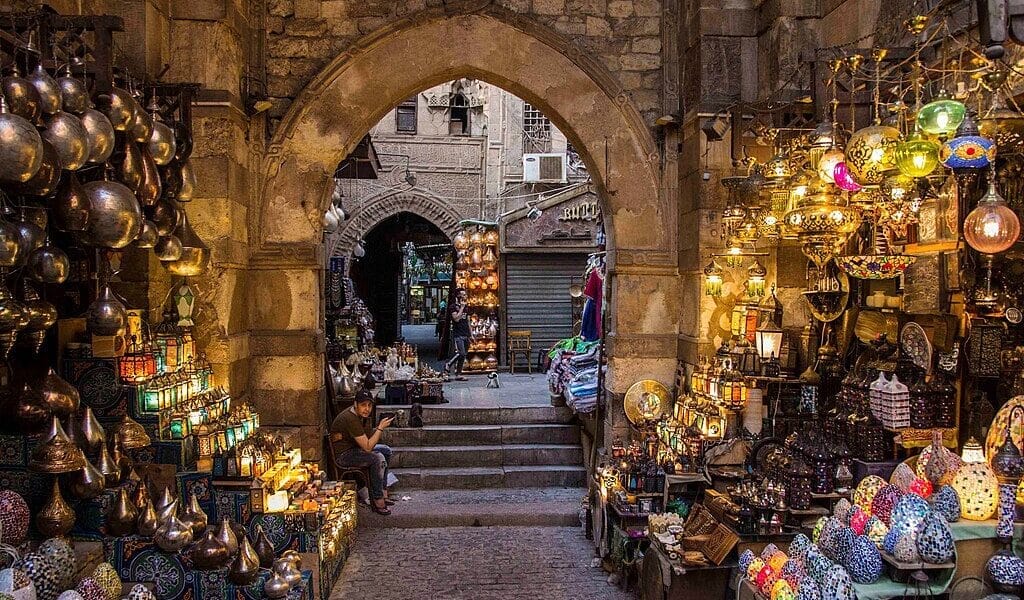
Cairo, the bustling heart of Egypt, is not just famous for its awe-inspiring pyramids and timeless monuments. It is also a shopper’s paradise, where centuries-old bazaars overflow with color, fragrance, history, and authentic craftsmanship. Whether you’re looking for unique souvenirs, luxurious fabrics, glittering jewelry, or fabulous scents, shopping in Cairo’s bazaars offers an adventure as fascinating as any pharaonic tomb.
Shopping in Cairo’s Bazaars—What to Buy: The Ultimate Guide for Treasure Seekers
Why Explore Cairo’s Bazaars?
Cairo’s traditional markets, known locally as souks or bazaars, have been the city’s commercial lifeblood for over a thousand years. They offer more than just goods; they invite you into Egyptian culture, flavors, and social life. Shoppers will experience friendly haggling, the tantalizing aroma of spices, the sparkle of silver and brass, and the warm hospitality of the Egyptian people.
Most Famous Bazaars in Cairo
Khan El Khalili Bazaar:
Cairo’s grandest market, dating back to the 14th century, located in Islamic Cairo near the Al-Hussein Mosque. Maze-like lanes reveal stalls for jewelry, antiques, spices, textiles, and traditional crafts.Souk Al Fustat (Old Cairo):
Known for authentic Egyptian crafts and modern takes on traditional designs. A favorite for high-quality ceramics, glass, and eco-friendly products.Street Markets & Spice Bazaars:
All over Cairo, look for smaller, local markets specializing in food, spices, leather goods, and unique gifts.
Top Things to Buy in Cairo’s Bazaars
1. Perfume Oils & Incense
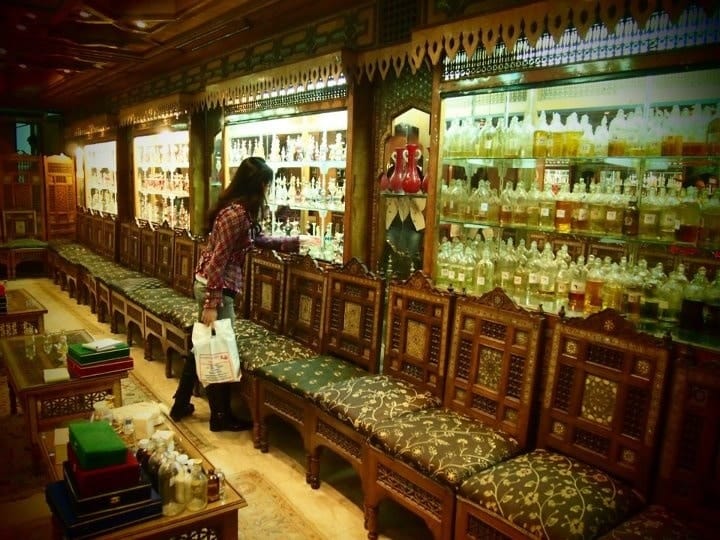
Egyptian perfumes and essential oils have an ancient legacy. Visit perfume shops around Khan El Khalili to sample pure oils—lotus, jasmine, sandalwood, and pharaonic blends. These make luxurious, lightweight souvenirs. Don’t forget bakhoor (incense) for a fragrant memory of Egypt.
2. Egyptian Cotton & Textiles
Renowned for its quality and softness, Egyptian cotton is a prized export. Buy hand-loomed scarves, shawls, tablecloths, and clothing. Wekalet El Balah is the go-to market for fabric; Khan El Khalili and Souk Al Fustat are great for finished goods.
3. Papyrus Art & Calligraphy
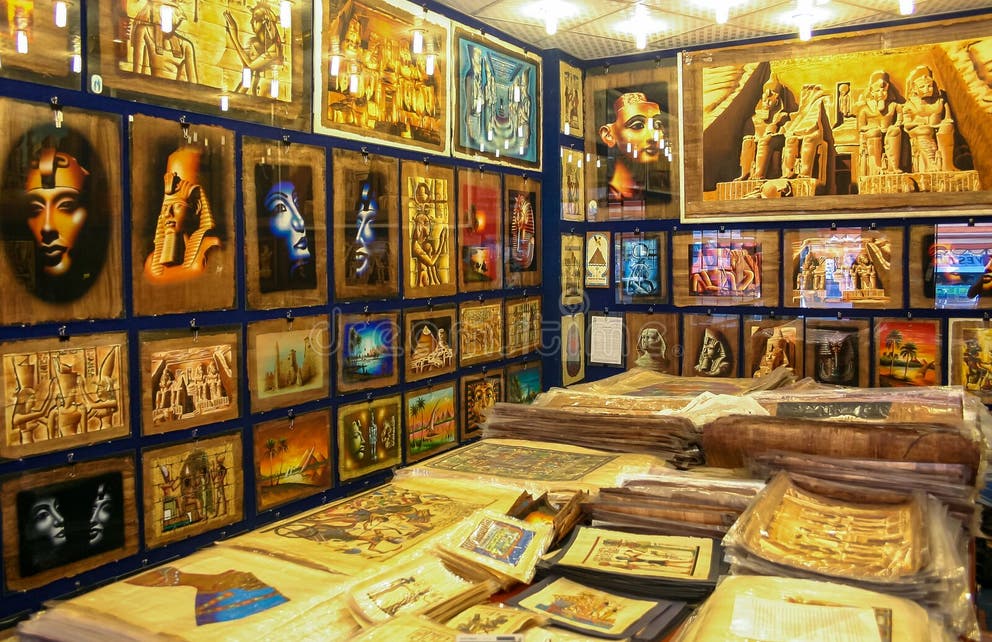
Papyrus paintings, featuring ancient Egyptian gods, pharaohs, and hieroglyphics, are classic souvenirs. Real papyrus is firm, textured, and sold at reputable dealers and museum shops around Khan El Khalili—avoid “banana paper” imitations.
4. Alabaster & Stone Carvings
Bring home detailed statues, candle holders, and tableware carved from Egyptian alabaster or soapstone. Luxor is the traditional source, but Cairo’s markets have excellent options. Look for hand-carved pieces with smooth finish and natural hues.
5. Brass, Copper, and Silverware
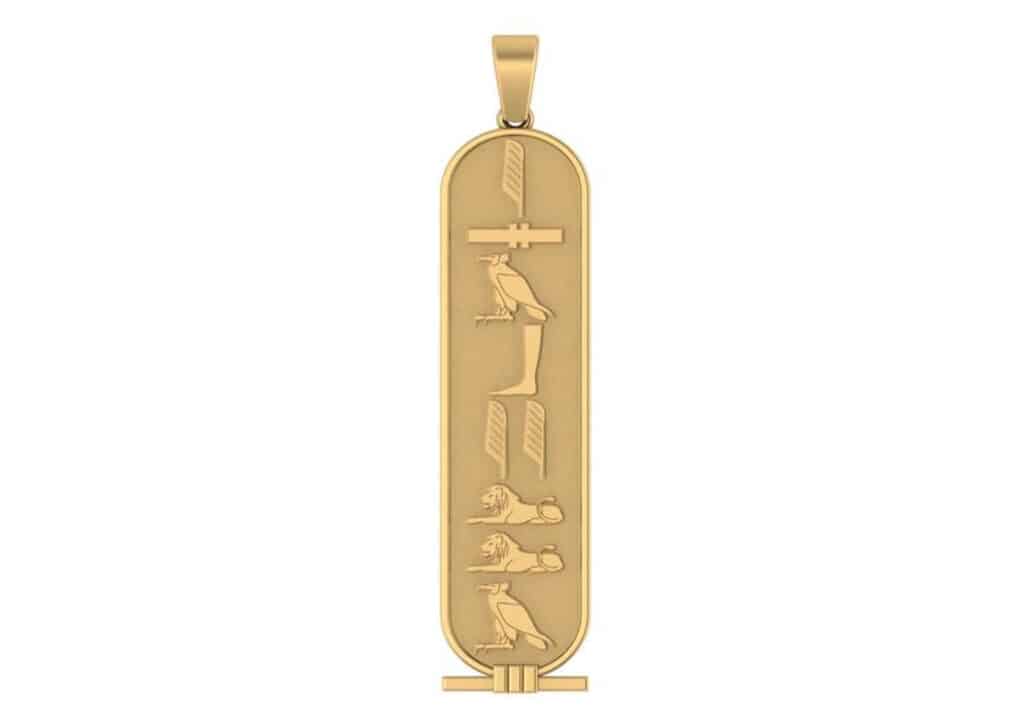
From delicate filigree jewelry to ornate lanterns and trays, Cairo’s metalwork is legendary. Souks are filled with handmade lamps, tea sets, coffee cups, and Islamic-inspired décor. Be sure to check for silver hallmarks if buying jewelry.
6. Traditional Jewelry
Bedouin and Nubian silver necklaces, earrings, and bangles are popular, as well as inlaid mother-of-pearl bracelets. Negotiate prices and try several stalls for variety and authenticity.
7. Spices, Tea, and Coffee
Markets overflow with mounds of cumin, cinnamon, cardamom, cloves, hibiscus flowers (for karkadeh tea), and local coffee blends. Buy sealed packages for food safety if you want to take some home.
8. Leather Goods
Handmade sandals, bags, wallets, and belts crafted from Egyptian leather can be found throughout the bazaars—look for locally made, good-quality pieces.
9. Ceramics and Pottery
Brightly colored ceramics are a staple of Cairo’s markets, especially Souk Al Fustat. Bowls, plates, and decorative tiles often feature Islamic and pharaonic motifs.
10. Handmade Carpets and Rugs
Luxurious Egyptian and Middle Eastern carpets, kilims, and wall hangings come in all sizes and colors. Always ask for origin, materials, and, if possible, a certificate of authenticity.
Top Tips for Shopping in Cairo
Haggle with a Smile:
Bargaining is expected—enjoy the friendly negotiation and don’t be afraid to walk away.Check Authenticity:
Buy from established vendors, especially for gold, silver, antiques, or papyrus.Mind Local Customs:
Dress modestly, particularly in Islamic Cairo, and respect prayer times when shops may close temporarily.Cash is King:
Small notes and cash payments are preferred in most markets.Timing:
Bazaars are liveliest in late afternoon and early evening; avoid the hottest midday hours for outdoor souks.
Where to Find Unique Souvenirs
Look for Cooperative Shops:
Several bazaars feature cooperatives supporting local artisans and women’s enterprises—great for ethical shopping and unique finds.Avoid Pushy Sellers:
Don’t feel pressured to buy; look for shops where browsing is welcomed and staff are happy to explain or demonstrate.
Final Thoughts
Shopping in Cairo’s bazaars is an immersive dive into Egypt’s artistic soul. Every alleyway, richly scented spice market, or twinkling lantern-lit shop invites you to discover treasures from ancient and modern worlds. Whether you’re a dedicated shopper or a curious explorer, Cairo’s markets promise dazzling finds, heartfelt memories, and a deeper connection to this unforgettable city.
So grab your bargaining spirit, ready your senses, and set out to explore! Shopping in Cairo is not just about what you buy—it’s the stories, smiles, and souvenirs of your Egyptian journey.
Ready to experience the best of Cairo beyond shopping? Check out our Cairo Tour Packages for immersive experiences at the city’s top historic and cultural attractions!