Discover the Pyramid of Menkaure with My Egypt Travel, the smallest of Giza’s three wonders. Explore its unique granite casing, architectural shift, and the complex of royal tombs surrounding it.
Menkaure’s Pyramid: Giza’s Gem of Granite and Contrast
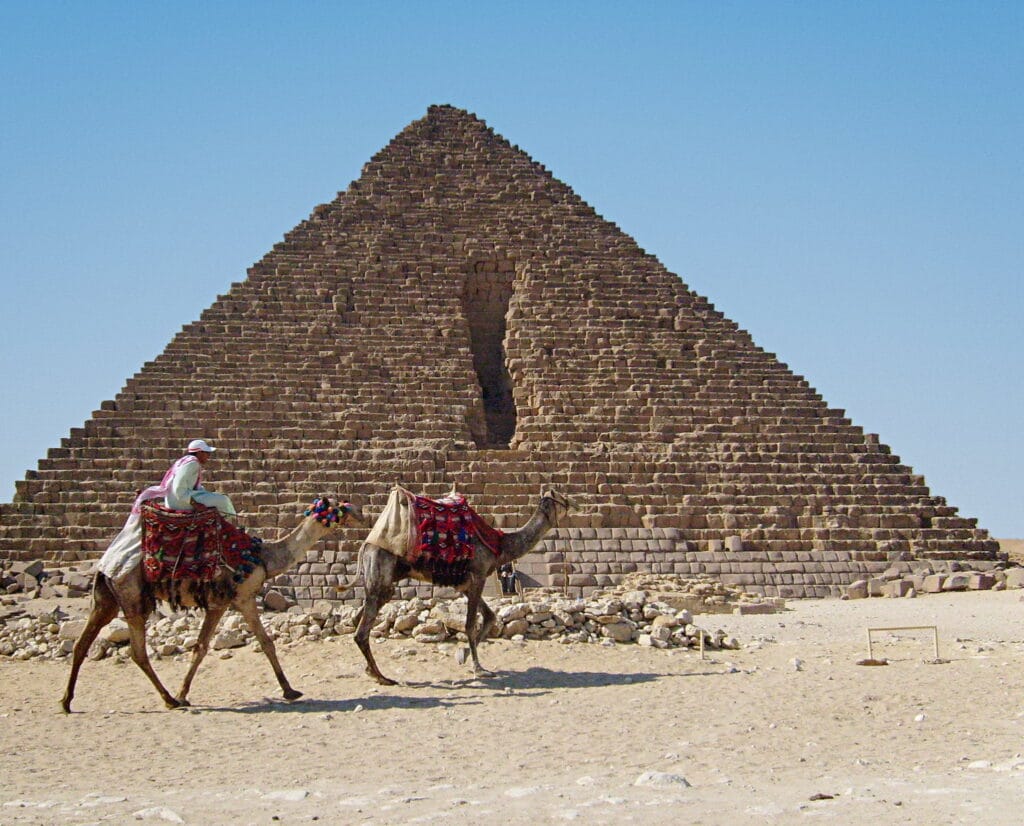
The Third Wonder: A Study in Refinement
Standing distinct from the monumental scale of its neighbors, the Pyramid of Menkaure presents a compelling study in refinement, complexity, and contrast. Though the smallest of the three Giza pyramids, its history is arguably the most intriguing, offering a window into a philosophical and architectural shift at the end of the 4th Dynasty.
For the American and European traveler, Menkaure’s pyramid is the essential stop for understanding the nuances of the Old Kingdom. It is not defined by its height, but by the luxurious materials and superior craftsmanship employed—a pyramid that prioritized quality over sheer gigantism. This non-conventional guide, brought to you by My Egypt Travel, explores Menkaure’s pyramid as the jewel of Giza, where ambition turned inward.
I. The Pyramid of Contrast: Size vs. Luxury
Menkaure’s pyramid is significantly smaller than the Great Pyramid of Khufu (146m) and the Pyramid of Khafre (136m), rising to a modest original height of 65 meters. This shift in scale is deliberate and dramatic.
1. A Break in Gigantism
The reduction in size after two massive structures suggests a change in economic capacity, political philosophy, or religious belief during Menkaure’s reign.
Philosophical Shift: Many Egyptologists view the size reduction as reflecting a shift in royal focus away from the immense, singular power of the Pharaoh, perhaps towards greater integration with the gods, symbolized by the Sun Temple projects of later dynasties.
Intimacy and Detail: The smaller scale allows for a more intimate examination of the structure, rewarding the visitor with appreciation for detailed craftsmanship rather than overwhelming size.
2. The Expensive Casing
In place of sheer height, Menkaure prioritized material quality. The lower tiers of the pyramid were originally encased in expensive red Aswan granite, imported hundreds of miles down the Nile.
Material Symbolism: The granite’s use, contrasted with the local white limestone of the upper layers, created a stunning, layered visual effect, emphasizing luxury and the Pharaoh’s ability to command resources from the far reaches of Egypt.
II. Architectural Excellence: The Granite Legacy
Though much of the precious granite casing was later stripped away—a tale of subsequent rulers and plunder—the remaining sections tell a story of unparalleled engineering and artistry.
3. Unfinished Grandeur
The lower granite blocks were left partially unfinished, providing a rare archaeological glimpse into the exact process of casing the pyramids—how the stone was transported, positioned, and smoothed on the spot.
Engineering Insight: Seeing the rough-hewn granite blocks allows the traveler to marvel at the immense logistical challenge of moving and fitting these hard, heavy stones with precision tools centuries ago.
The Vertical Scar: The large, ragged gash on the north face of the pyramid is a historical scar left by a 12th-century Ayyubid ruler who attempted to dismantle the pyramid, a potent reminder of the structure’s endurance.
4. The Burial Chamber
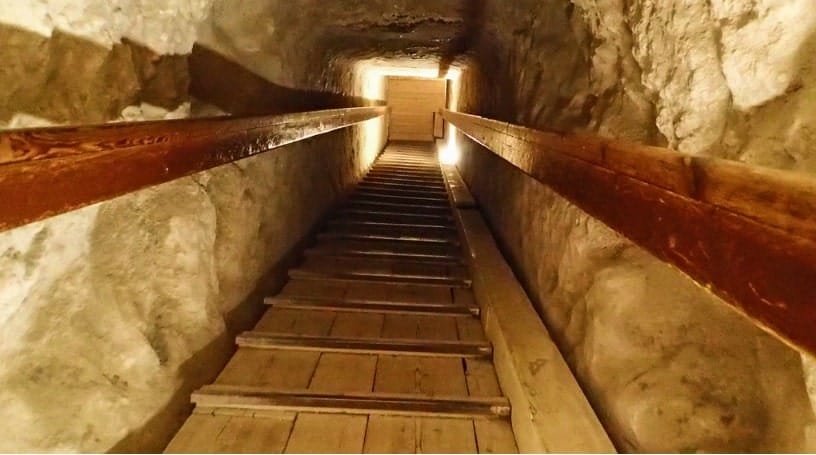
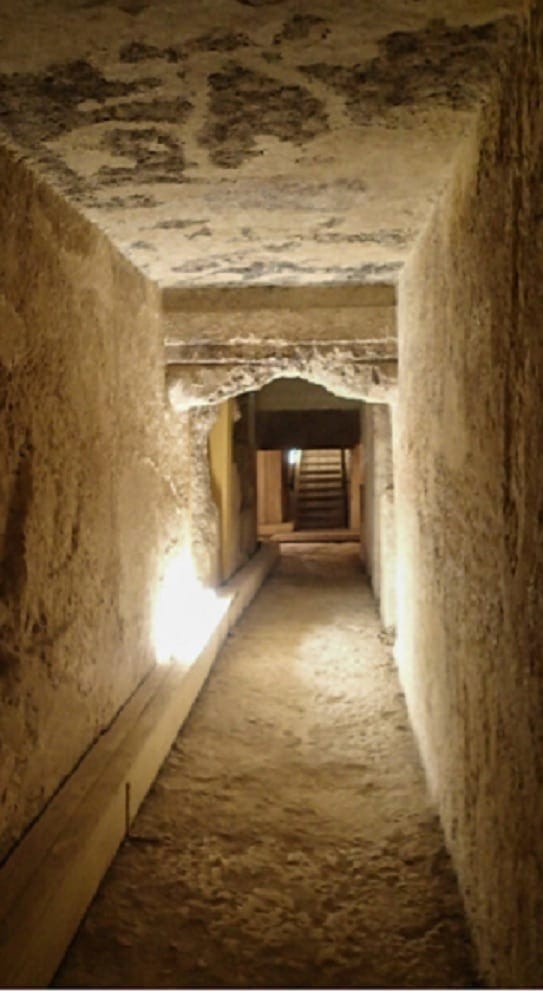
The substructure of Menkaure’s pyramid is notable for its complex construction, involving several descending passages and chambers carved deep into the bedrock, culminating in the burial chamber.
Archaeological Drama: The beautiful basalt sarcophagus found within the pyramid was tragically lost at sea while being transported to England in the 19th century—a story of archaeological loss that adds a layer of dramatic melancholy to the site.
III. The Queen’s Retinue: Satellite Pyramids
Menkaure’s complex includes a series of three smaller, subsidiary pyramids (known as the Queens’ Pyramids), located on the southern side, adding essential context to the royal family structure.
5. A Complete Royal Complex
These smaller pyramids (designated G3-a, G3-b, and G3-c) were likely built for Menkaure’s principal wives or mothers.
Royal Family Dynamics: The inclusion of these satellites reveals the careful planning and importance of the extended royal family in the funerary landscape of the Old Kingdom. They complete the narrative of Menkaure’s life and reign.
Historical Significance: One of these pyramids still contains a remnant of granite casing and is unique for being a step-pyramid design, hinting at the architectural traditions that preceded the true pyramids.
Conclusion: The Jewel of the Giza Plateau
The Pyramid of Menkaure is far more than just the smallest of Giza’s wonders. It is the pyramid of contrast, a site that trades height for luxurious material, offers essential insight into ancient craftsmanship, and narrates a crucial shift in Egyptian royal ideology.
A visit to Menkaure is the indispensable final step in the Giza journey, allowing the traveler to understand the full architectural and political spectrum of the 4th Dynasty.
Ready to appreciate the artistry and quiet ambition of Menkaure’s pyramid? Let My Egypt Travel guide your unique journey to Giza.