Explore the 6th Dynasty Pyramids of Teti, Pepi I, and Pepi II at Saqqara with My Egypt Travel. Discover the Pyramid Texts, the world’s oldest religious writings, and witness the final evolution of the Old Kingdom.
Where Ancient Walls Begin to Speak: The Pyramid Texts
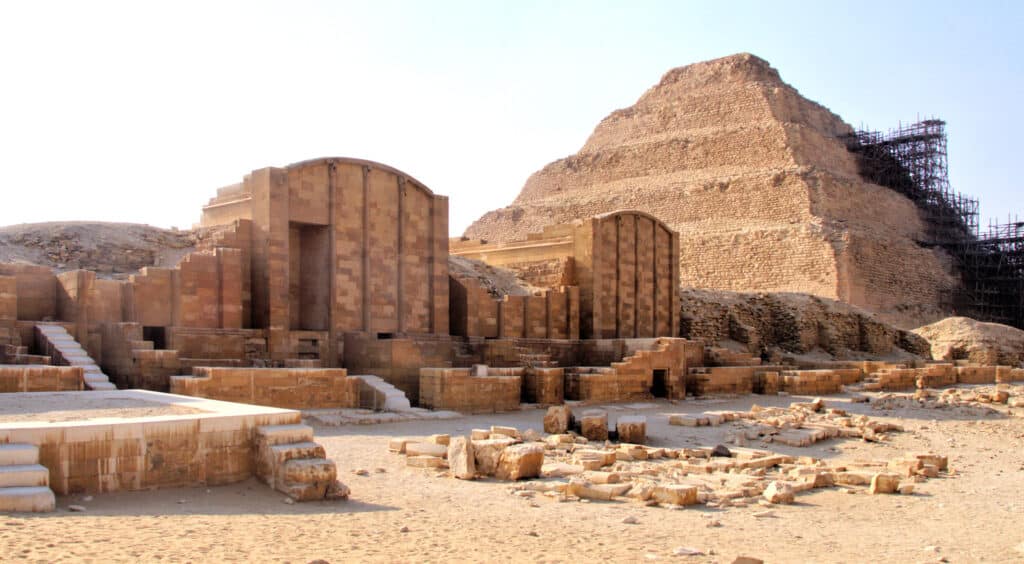
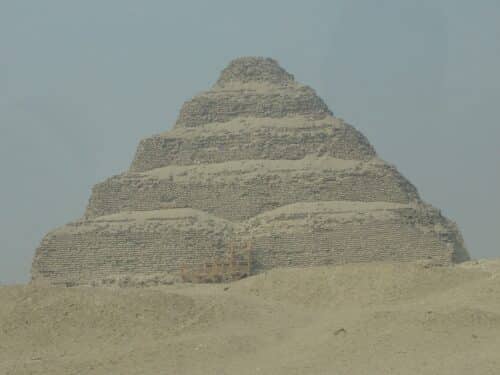
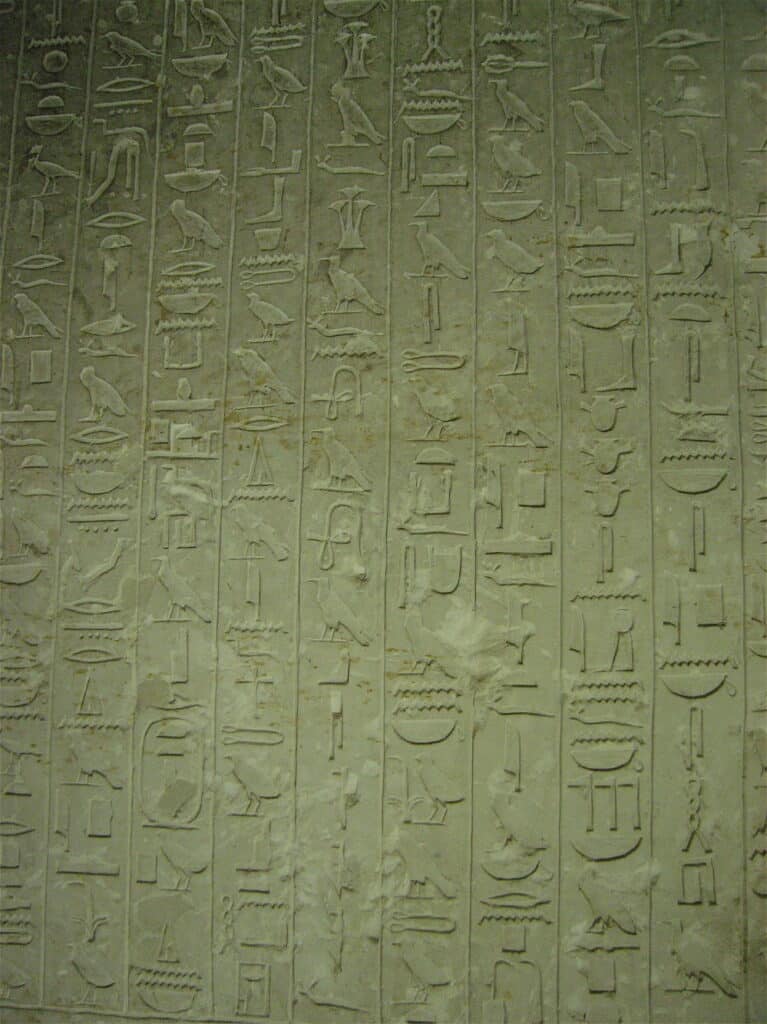
Saqqara is famous for its Step Pyramid, but the deeper, more profound narrative lies in the smaller, later pyramids of the 6th Dynasty, built by pharaohs Teti, Pepi I, and Pepi II. These structures represent a critical evolutionary stage in Egyptian funerary architecture and belief. They are the pyramids that speak, containing the invaluable Pyramid Texts—the world’s oldest surviving religious literature carved directly into their inner walls.
For the American and European traveler, a visit here is essential for understanding the intellectual and theological roots of Egyptian civilization. It is a journey that trades the physical awe of Giza for the intellectual depth of the Old Kingdom. This non-conventional guide, brought to you by My Egypt Travel, unveils the royal complexes of the late Old Kingdom as a library in stone.
I. The Pyramids That Speak: Discovery of the Texts
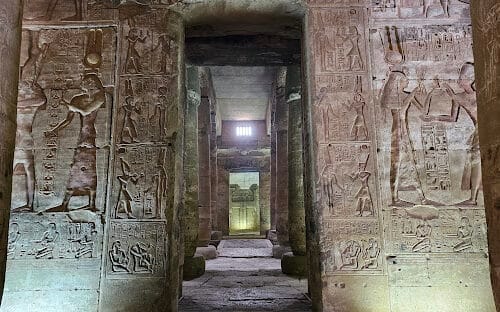
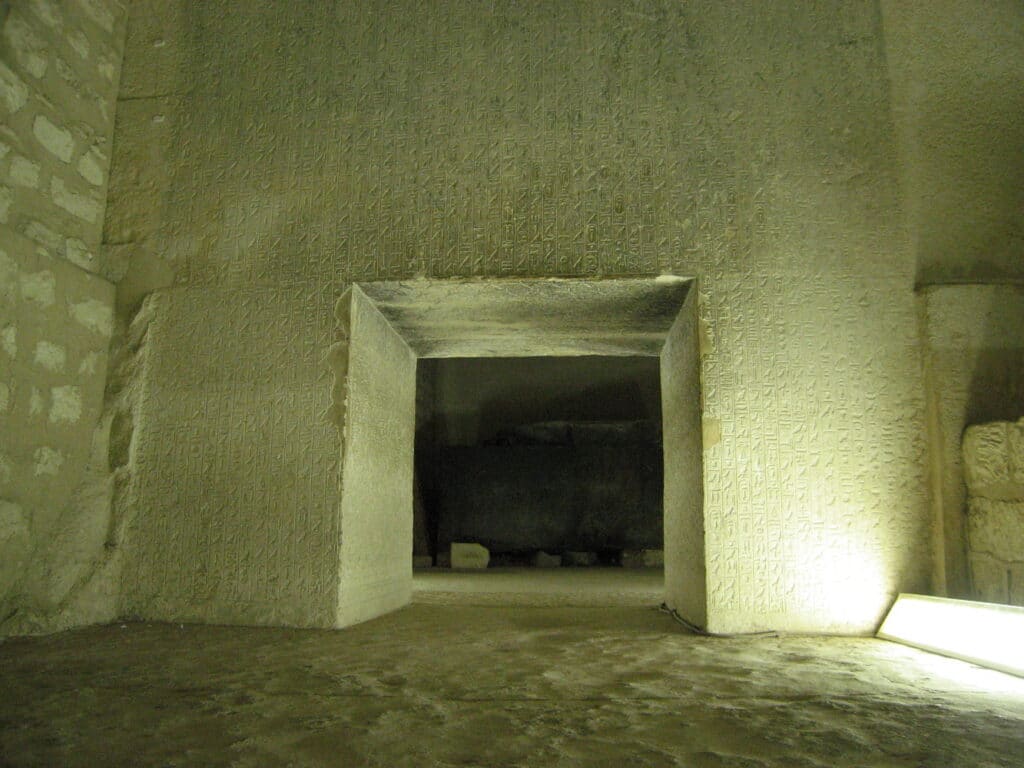
The enduring legacy of the 6th Dynasty pyramids lies not in their external height, but in the hundreds of columns of hieroglyphic spells that adorn the walls of their burial chambers and antechambers.
1. The World’s Oldest Literature
These Pyramid Texts contain hymns, spells, and instructions designed to assist the deceased Pharaoh in ascending to the afterlife and joining the Sun god Ra.
Theological Insight: Reading about these texts (especially those found in the nearby Pyramid of Unas, which started the tradition) provides an unparalleled window into the deepest spiritual concerns and cosmology of the ancient Egyptians.
Spiritual Continuity: The focus shifted from the external power demonstrated by the sheer size of the 4th Dynasty pyramids to the internal power of sacred, codified knowledge demonstrated by the texts.
2. A Study in Evolution
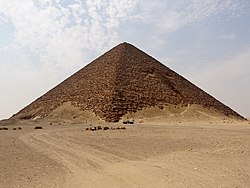
These 6th Dynasty pyramids are less structurally perfect than their Giza predecessors, reflecting the decentralization of state power and resources toward the end of the Old Kingdom.
II. Teti’s Tomb: A Royal Succession Story
The Pyramid of Teti (c. 2345–2333 BC) is historically significant as the founder of the 6th Dynasty and a key complex within the Saqqara landscape.
3. The Cult of the Pharaoh
The Teti complex, like others, included a mortuary temple and a satellite pyramid, all designed to ensure the eternal worship and sustenance of the deceased king.
Structural Context: Exploring the site allows the visitor to grasp the full extent of a royal funerary complex, including the remnants of the causeway and the valley temple, connecting the Nile to the desert burial site.
4. The Saqqara Scribes
The area surrounding Teti’s pyramid became a favored burial spot for high-ranking officials and courtiers who wished to be close to the king in the afterlife, highlighting the complex court bureaucracy of the time.
III. Pepi II: A Reign of Ninety Years
The complex of Pepi II Neferkare is perhaps the most famous of the group, not only for the texts within but for the legendary duration of his reign.
5. The Longest Rule in History
Pepi II is credited by ancient historians with the longest reign of any monarch in history, potentially ruling for over 90 years. His funerary complex is correspondingly vast.
Historical Significance: His immense longevity coincides with the slow but sure decline of the Old Kingdom’s centralized authority, making his complex a physical marker of this transitional era.
6. Queens’ Pyramids
Pepi II’s complex includes subsidiary pyramids for his consorts, Neith and Iput II, which also contain significant inscriptions and provide essential data on the royal family’s structure and funerary rites.
Conclusion: The Theological Heart of the Old Kingdom
The pyramids of Pepi I, Pepi II, and Teti are essential destinations for the traveler who seeks to understand the mind and theology of the Old Kingdom. They offer a unique journey from external monumentality to internal, textual spirituality.
A visit to this area of Saqqara provides the necessary context to appreciate the shift in priorities that defined the end of Egypt’s great Pyramid Age.
Ready to explore the oldest religious library carved in stone? Let My Egypt Travel guide your unique journey through Saqqara’s 6th Dynasty.