Explore Tanta, the unseen spiritual heart of the Nile Delta. Discover authentic Egyptian culture, Sufi traditions, and vibrant local markets.
Tanta: The Unseen Heart of the Nile Delta | Sufi Traditions, Cultural Pilgrimage & Egypt’s Commercial Engine
The Authentic Delta Experience: A Non-Conventional Journey to Tanta
Tanta, the capital of the Gharbia Governorate, rarely appears on conventional tourist itineraries, yet it is arguably one of the most culturally significant cities in Egypt. Located deep within the lush, fertile Nile Delta, Tanta is not defined by ancient pharaonic monuments but by its role as a living spiritual and commercial hub.
For the American and European traveler seeking authentic, contemporary Egyptian culture far from the tourist crowds, Tanta offers a profound contrast to the temples of Luxor and the resorts of the Red Sea. It is a bustling, vibrant city where commerce, agriculture, and deep-rooted Sufi traditions converge. This non-conventional guide, brought to you by My Egypt Travel, explores Tanta as the spiritual and commercial engine of the Egyptian Delta.
The Cultural Focus: A Glimpse into Living Egyptian Heritage
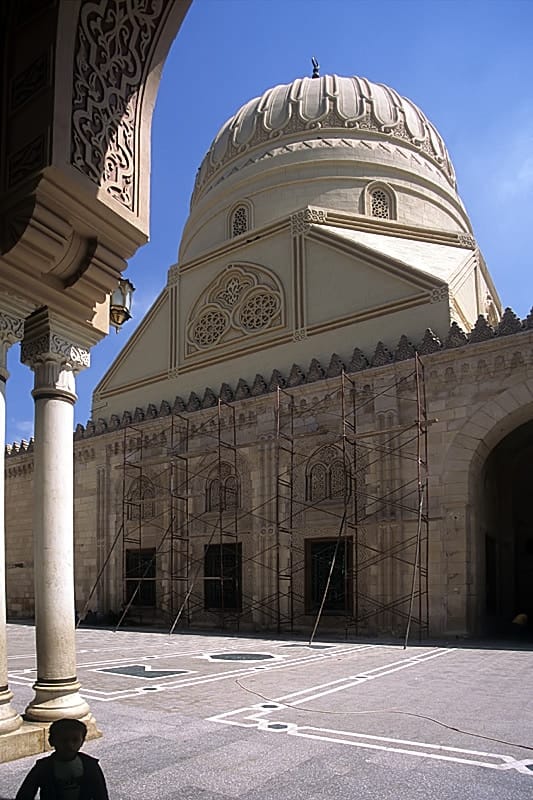
Tanta’s primary allure is its authenticity and its connection to the living religious and economic pulse of the Delta. Our tours emphasize the city’s role in the cotton trade, the reverence for its patron saint, and the atmosphere of a truly Egyptian metropolis.
I. The Spiritual Nexus: Sayyid Ahmad al-Badawi
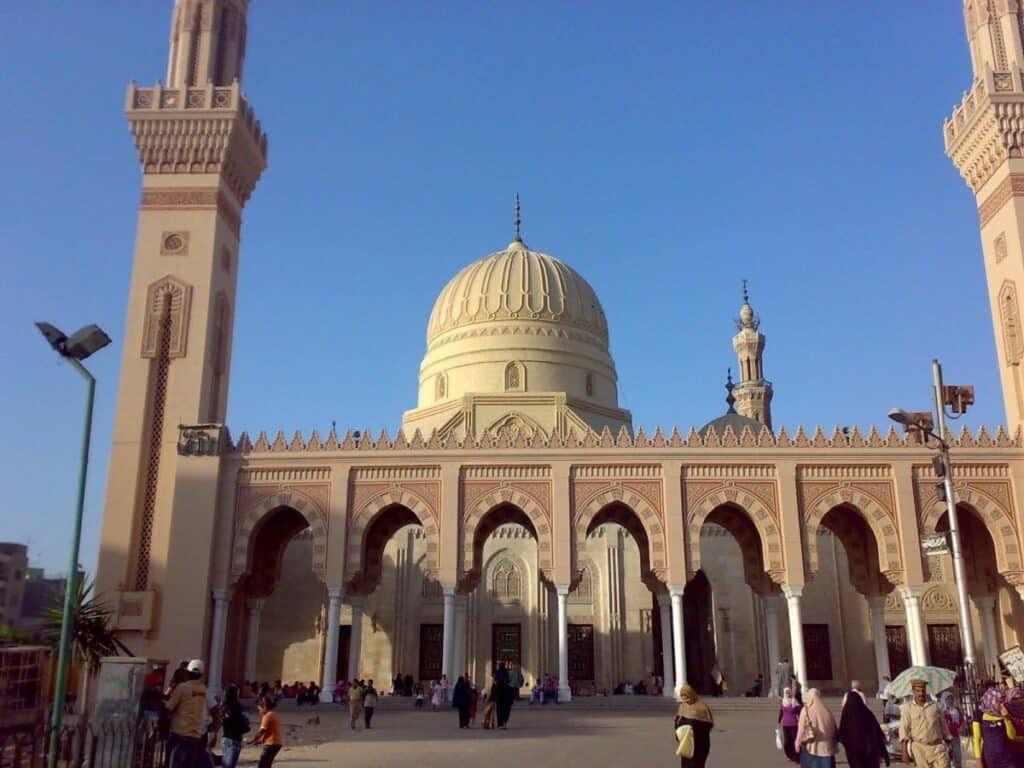
Tanta is globally recognized across the Islamic world as the home of the Mosque and Mausoleum of Sayyid Ahmad al-Badawi (1200–1276), one of the most revered Sufi saints in Egypt.
1. The Mosque and Mausoleum
The large, historic mosque dedicated to Al-Badawi is the undisputed center of the city. While the architecture is impressive, the real significance lies in the atmosphere of devotion.
Spiritual Significance: Visiting the mosque offers a unique window into the practice of Sufism—a mystical dimension of Islam—and the profound reverence Egyptians hold for their local saints. It is a powerful cultural experience emphasizing peace and devotion.
The Contrast: Unlike the ancient Egyptian gods, the reverence shown here is immediate, living, and deeply integrated into the daily lives of the local population.
2. The Moulid of El-Sayed El-Badawi
Tanta hosts the annual Moulid (religious festival) of Al-Badawi, one of the largest and most famous religious celebrations in the Middle East, attracting millions of visitors.
Cultural Immersion: If planned during the festival (usually October), the experience is an overwhelming, vibrant display of Egyptian folklore, music, religious fervor, traditional sweets, and Delta culture—a truly unique event for the cultural traveler.
Historical Context: The Moulid is a centuries-old tradition, reinforcing Tanta’s status as a timeless pilgrimage site.
II. The Commercial Engine: Trade and Agriculture
Situated at the convergence of Egypt’s major rail and road networks, Tanta has historically been a critical nexus for trade, especially for the high-quality cotton grown in the surrounding Delta fields.
3. The Bustling Markets and Souqs
Tanta’s commercial heart beats strongly in its extensive markets. Exploring the souqs is an essential activity, offering insight into the flow of local goods.
Local Commerce: The markets deal heavily in agricultural produce, cotton products, and regional goods, providing an authentic look at the economic reality of the Delta—far removed from tourist bazaars.
Confectionary Fame: Tanta is renowned for its specific local sweets, particularly Hommosia (chickpea brittle) and Malban (Turkish delight-style confectionery), especially prominent during the Moulid season.
4. The Delta Landscape
The drive to and from Tanta through the Delta fields is a captivating sight, showcasing the intense agricultural productivity of the region.
The Green Contrast: The lush, green landscape offers a beautiful visual contrast to the desert environments associated with the Pyramids and the Red Sea. It is a reminder of the Nile’s life-giving power.
III. Nile Delta Urban Life and Architecture
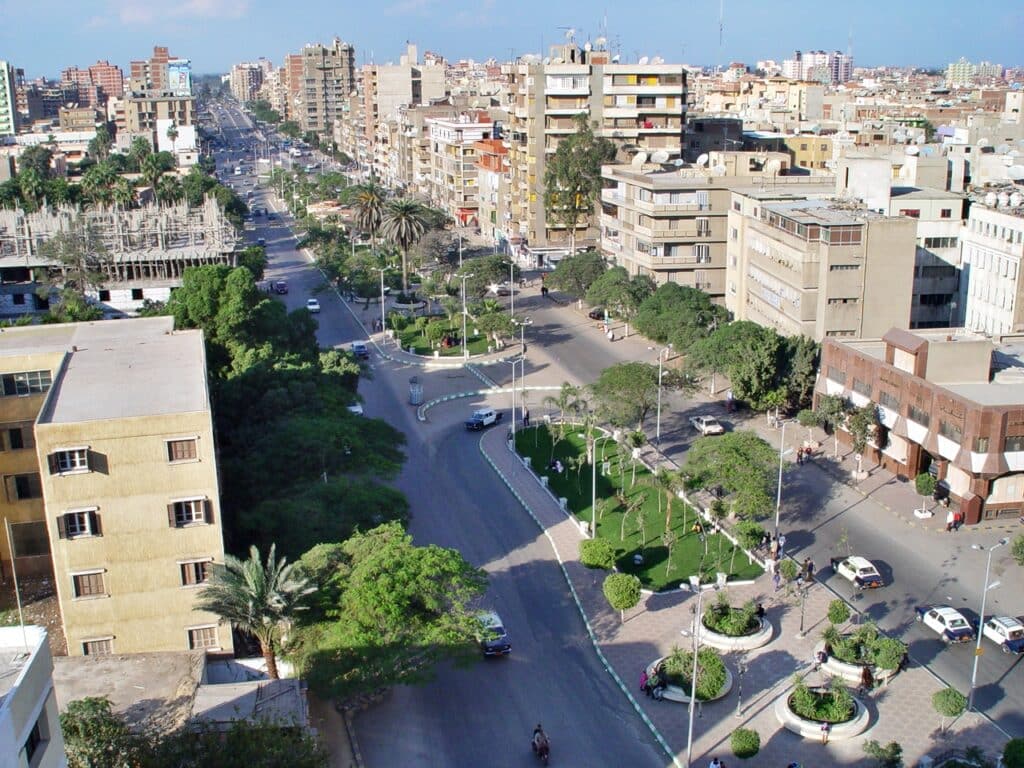
Tanta’s architecture reflects its history as a major regional center, featuring a mix of late 19th and early 20th-century urban design, juxtaposed with the unplanned vitality of modern Egypt.
5. The Downtown Vibe
The city center is characterized by wide streets, government buildings, and university structures, reflecting its status as a provincial capital and a major educational center.
Authentic Urbanism: Experiencing Tanta is about witnessing authentic Egyptian city life—the traffic, the street vendors, the coffee shops, and the vibrant interactions that characterize the modern Delta region.
6. The Contrast of Eras
The city provides an architectural snapshot of Egypt’s transition, blending Ottoman and European-influenced administrative buildings with the practical, fast-paced structures of contemporary commerce.
Conclusion: A Spiritual and Cultural Crossroads
Tanta is a jewel for the discerning traveler—not for its ruins, but for its authenticity and its deep immersion into the spiritual and commercial reality of the Nile Delta. It offers a vital connection to the living traditions and resilient character of contemporary Egypt.
A visit to Tanta is a cultural pilgrimage, perfectly suited for combining with a trip to Cairo to provide a holistic view of the country.
Ready to explore the spiritual heart of the Nile Delta and witness the vibrant culture of Tanta? Let My Egypt Travel guide your unique journey into authentic Egypt.