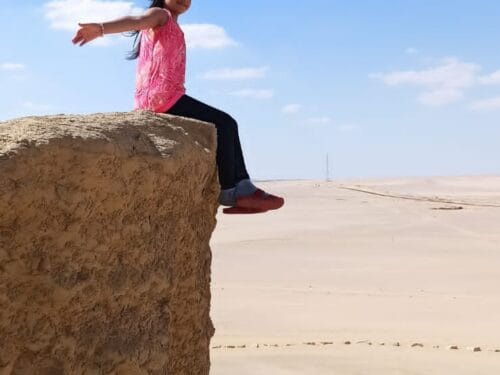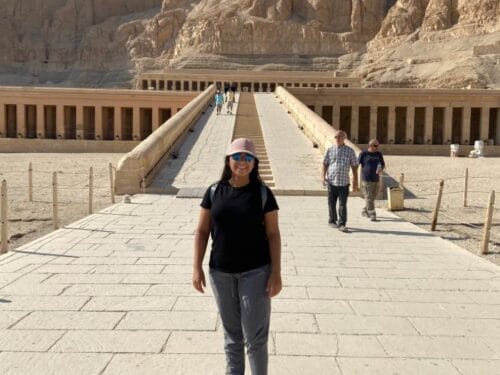
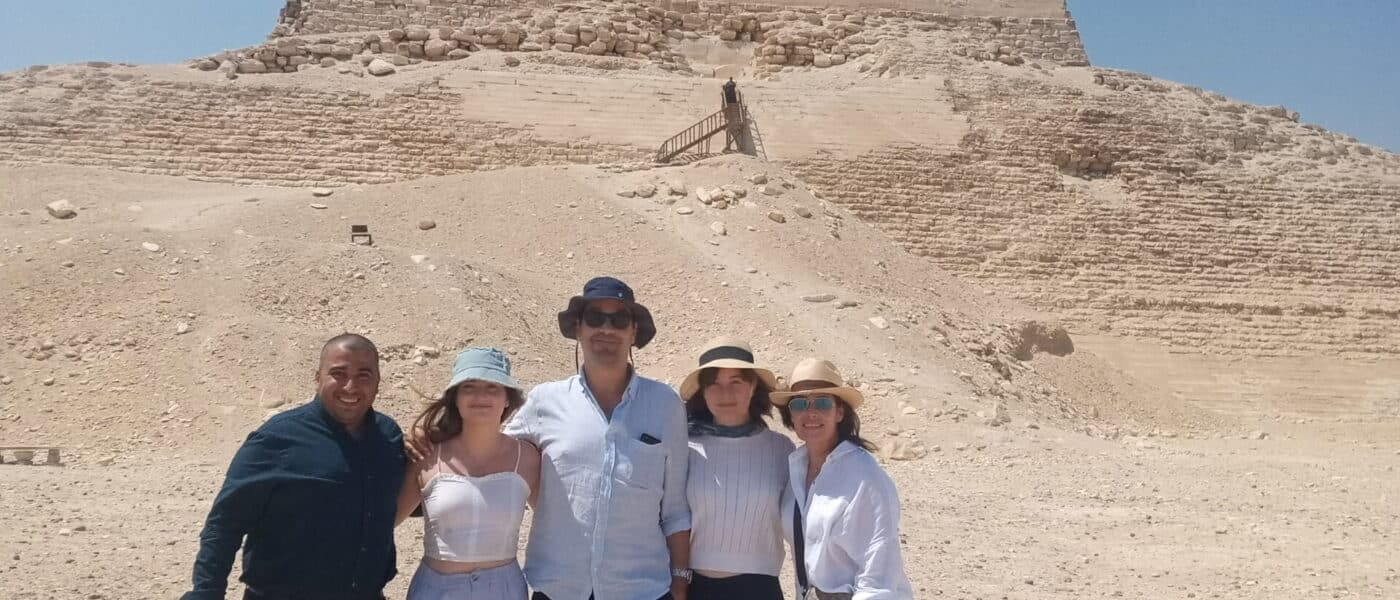
Egyptian summers (June-August) bring scorching temperatures exceeding 40°C (104°F) in Luxor and Aswan, with Cairo reaching 37°C (99°F). While peak heat creates challenges, millions visit Egypt year-round using smart safety strategies. This comprehensive guide covers hydration protocols, clothing choices, timing tactics, and emergency recognition to help travelers survive—and enjoy—Egypt’s intense summer heat safely.
Understanding Egypt’s Summer Climate
Summer heat varies dramatically across Egypt’s regions, requiring location-specific preparation.
Temperature Ranges by Destination (June-August 2026):
| City | Average High | Average Low | Heat Index |
|---|---|---|---|
| Cairo | 36°C (97°F) | 24°C (75°F) | Moderate-High |
| Luxor | 41°C (106°F) | 24°C (75°F) | Extreme |
| Aswan | 41°C (106°F) | 26°C (78°F) | Extreme |
| Alexandria | 30°C (86°F) | 22°C (71°F) | Comfortable |
| Hurghada | 35°C (95°F) | 25°C (77°F) | High |
| Sharm El Sheikh | 38°C (100°F) | 27°C (80°F) | Very High |
Southern Egypt (Luxor/Aswan) experiences the most dangerous conditions, often exceeding 45°C during July peak hours. Mediterranean coastal areas like Alexandria remain significantly cooler, offering refuge during extreme heat waves.
Peak Danger Hours: The Egyptian Ministry of Tourism recommends avoiding outdoor activities between 11 AM and 4 PM when temperatures reach life-threatening levels. UV radiation remains high year-round across Egypt, intensifying burn risks even during “cooler” morning hours.
Hydration: Your Primary Defense
Dehydration represents the most common heat-related emergency among Egypt travelers. The CDC warns that when ambient temperatures exceed body temperature (98.6°F/37°C), your cooling mechanisms require constant fluid replenishment.
Daily Water Requirements:
Minimum baseline: 3-4 liters per person daily
Active sightseeing: Add 1 liter per hour of outdoor activity
Temple/pyramid exploration: Carry 2-liter bottles minimum
Hydration Best Practices:
Drink before feeling thirsty—thirst signals existing dehydration
Sip continuously rather than chugging large amounts
Add electrolyte packets (available at Egyptian pharmacies) to one bottle daily
Eat salty snacks (nuts, pretzels) to replace salt lost through sweating
Avoid alcohol and excessive caffeine—both accelerate dehydration
Pro Tip: Egyptian bottled water (Baraka, Nestle Pure Life) costs 5-10 EGP at shops. Buy cases for hotel rooms and refill personal bottles. Hard candy helps stimulate saliva production during long outdoor tours.
Strategic Clothing Choices
Counterintuitively, covering up keeps you cooler when temperatures exceed body temperature. Bedouins and desert dwellers wrap themselves in loose layers—follow their proven wisdom.
Optimal Summer Outfit:
Fabric: Cotton over synthetics—retains moisture, providing evaporative cooling
Coverage: Long sleeves, long pants/skirts protect from direct sun exposure
Color: Light colors (white, beige, tan) reflect heat
Fit: Loose, flowing garments allow air circulation
Hat: Wide-brimmed (10cm+) to shade face, neck, ears
Footwear Strategy:
Remove boots and socks at every rest stop to prevent blistering from trapped sweat. Change socks 2-3 times daily if walking extensively. Skip gaiters—they trap heat and increase foot perspiration. Breathable sandals work for short walks; closed-toe for temple/archaeological sites (rocky terrain).
Essential Accessories:
Extra-dark UV400 sunglasses (Egypt’s reflected ground light causes burns even with hats)
Lightweight scarf/shemagh for dust protection and additional neck shade
SPF 50+ sunscreen reapplied every 90 minutes on exposed skin (face, hands)
Timing Your Activities Wisely
Restructuring your daily schedule around Egypt’s heat cycle transforms summer travel from survival ordeal into manageable adventure.
Recommended Daily Schedule:
5:00-9:00 AM: Golden morning hours
Primary sightseeing window: pyramids, temples, outdoor sites
Temperatures 8-10°C cooler than afternoon
Best photography light, fewer crowds
9:00 AM-5:00 PM: Retreat indoors
Visit air-conditioned museums (Egyptian Museum, Grand Egyptian Museum)
Lunch at restaurants with AC
Hotel pool time, naps, trip planning
Read, rest in shaded areas
5:00-9:00 PM: Evening exploration
Sunset felucca rides, Nile walks
Markets and bazaars (Khan el-Khalili opens late)
Sound & Light shows at Giza, Karnak
9:00 PM-Midnight: Night adventures
LED headlamp hiking (where safe)
Rooftop cafes, evening Nile cruises
Cooler desert excursions (with guides)
Avoid midday outdoor exposure between 11 AM-4 PM entirely during July-August. Temple interiors offer some shade but stone retains heat—still uncomfortable during peak hours.
Recognizing Heat-Related Emergencies
The World Health Organization warns that temperatures above 40°C create serious health threats requiring immediate medical attention if symptoms appear. During August 2015 heat waves, dozens died from heat stroke in Egypt with over 500 hospitalized.
Heat Exhaustion (Recoverable):
Heavy sweating, weakness, dizziness
Pale/clammy skin, rapid pulse
Nausea, headache, muscle cramps
Action: Move to shade/AC, remove excess clothing, drink water with electrolytes, cool with wet cloths. Recovery typically occurs within 30-60 minutes.
Heat Stroke (MEDICAL EMERGENCY):
Body temperature above 40°C (104°F)
Hot, dry skin (sweating stops)
Confusion, slurred speech, unconsciousness
Rapid, strong pulse
Action: Call emergency (123 in Egypt), move to coolest location, apply ice packs to neck/armpits/groin, DO NOT give fluids if unconscious. Heat stroke can be fatal in wilderness settings without immediate intervention.
Prevention Checklist:
Check companions every rest stop for symptoms
Force yourself to eat even when appetite disappears
Limit physical exertion during high temperatures
Never hike/explore alone in extreme heat
Location-Specific Survival Strategies
Luxor & Aswan (Extreme Heat Zones):
Book 6:00 AM Valley of Kings tours before 9:00 AM closure
River-adjacent sites (Philae Temple) offer slight cooling breezes
Consider air-conditioned Nile cruise as mobile hotel
Skip mid-summer entirely if heat-sensitive (October-April ideal)
Cairo (High Heat, Urban Challenges):
Metro system provides AC transport between sites
Coptic/Islamic Cairo mosques offer shaded courtyards
Khan el-Khalili covered sections cooler than open squares
Zamalek/Maadi neighborhoods have tree-lined streets providing natural shade
Red Sea Resorts (High Heat + Humidity):
Morning snorkeling/diving (water stays cool)
Beach umbrellas essential—sand reflects intense UV
Resort pools/AC rooms during 11 AM-5 PM
Evening desert safaris to cooler inland areas
Mediterranean Coast (Moderate Heat):
Alexandria summer refuge with sea breezes
Beach activities comfortable throughout day
Ideal base for escaping southern Egypt’s extreme temperatures
Practical Gear & Supplies
Essential Summer Travel Kit:
Insulated water bottle (keeps water cool for hours)
Portable battery fan (USB-powered, Egyptian pharmacy/electronics shops)
Cooling towel (wet, wring, snap for instant cooling)
Oral rehydration salts (ORS packets from pharmacies)
Wide-spectrum SPF 50+ sunscreen (Coppertone/Nivea available locally)
Digital thermometer (monitor body temperature)
Basic first aid kit with blister treatment
Pack Considerations:
Good suspension system essential for carrying 20-30 pounds of water plus gear during extended outdoor activities. Distribute weight evenly to avoid exhaustion.
Budget-Friendly Cooling Options
Summer visits offer significant advantages beyond lower crowds:
Cost Savings (June-August vs. Peak Season):
Hotels: 40-60% discounts
Tours: 30-50% lower rates
Flights: Often half-price
Use savings for AC upgrades—splurge on better-cooled rooms, private AC transport, and indoor dining. A 100 EGP room upgrade to AC makes summer bearable.
Final Survival Wisdom
Summer Egypt travel demands respect for extreme conditions but rewards prepared travelers with empty sites, incredible deals, and authentic experiences. Follow Bedouin wisdom: cover up, move slowly, seek shade, and drink constantly. Plan activities around Egypt’s heat cycle rather than fighting it.
Monitor your body and companions continuously—heat illness progresses rapidly in 40°C+ temperatures. When in doubt, retreat to AC and reschedule for early morning. Your My Egypt Travel guides know safe timing and routes—trust their local expertise.
Egyptian Proverb: “Only mad dogs and Englishmen go out in the midday sun”—be neither. Smart travelers survive summer heat and thrive exploring Egypt’s wonders safely.