Step into Bubastis, the ancient capital of the Nile Delta and cult center of Bastet. Discover the ruins of the spectacular Temple of Bastet and the treasures of the Libyan Dynasties. Explore Egypt’s vibrant religious history with My Egypt Travel.
🐈 Bubastis (Tell el-Basta): Unveiling the Sanctuary of the Cat Goddess Bastet
Bubastis: The Ancient Capital of Joy and Protection
Bubastis, known today as Tell el-Basta, is a vast, largely ruined archaeological site located in the eastern Nile Delta. Once a thriving city, it served as the political capital of Egypt during the 22nd and 23rd Dynasties (the Libyan Period, c. 943–715 BCE). Its historical importance, however, rests overwhelmingly on its role as the principal cult center for the popular feline goddess, Bastet.
For the American and European traveler, Bubastis offers a unique opportunity to connect with the vibrant, joyful, and often overlooked aspects of ancient Egyptian religion, far removed from the sober grandeur of the pyramids and the royal tombs. This site was the center of an annual festival that was one of the largest and most exuberant religious gatherings in the ancient world. This non-conventional guide, brought to you by My Egypt Travel, explores Bubastis as the spiritual home of the Cat Goddess and the cultural heart of the Delta.
The Feline Faith: A Non-Conventional Approach
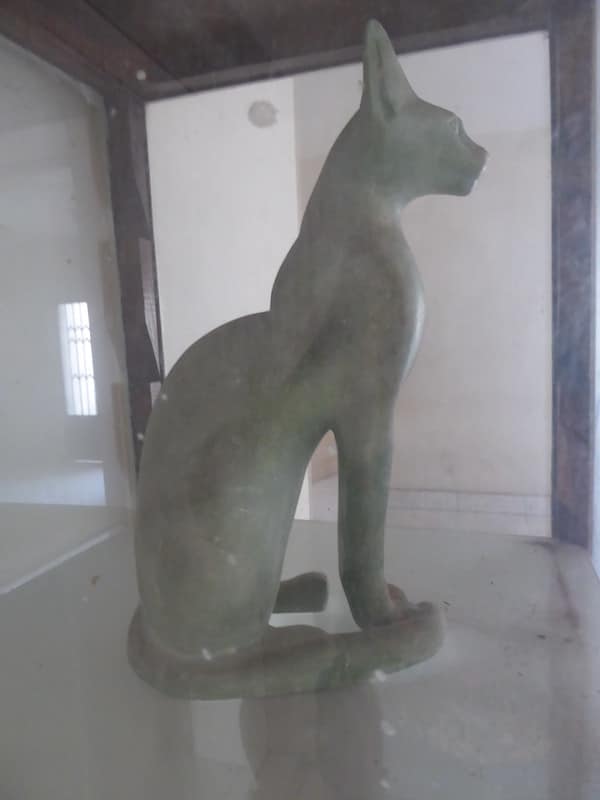
The story of Bubastis is a narrative of celebration, fertility, and protection. Bastet, initially a lioness goddess of war, evolved into a gentler, cat-headed deity associated with pleasure, dance, music, and the protection of the home and pregnant women. We emphasize this shift and the legendary annual festival described by the Greek historian Herodotus, positioning the site as an experience in ancient cultural anthropology.
I. The Temple of Bastet and Religious Festivals
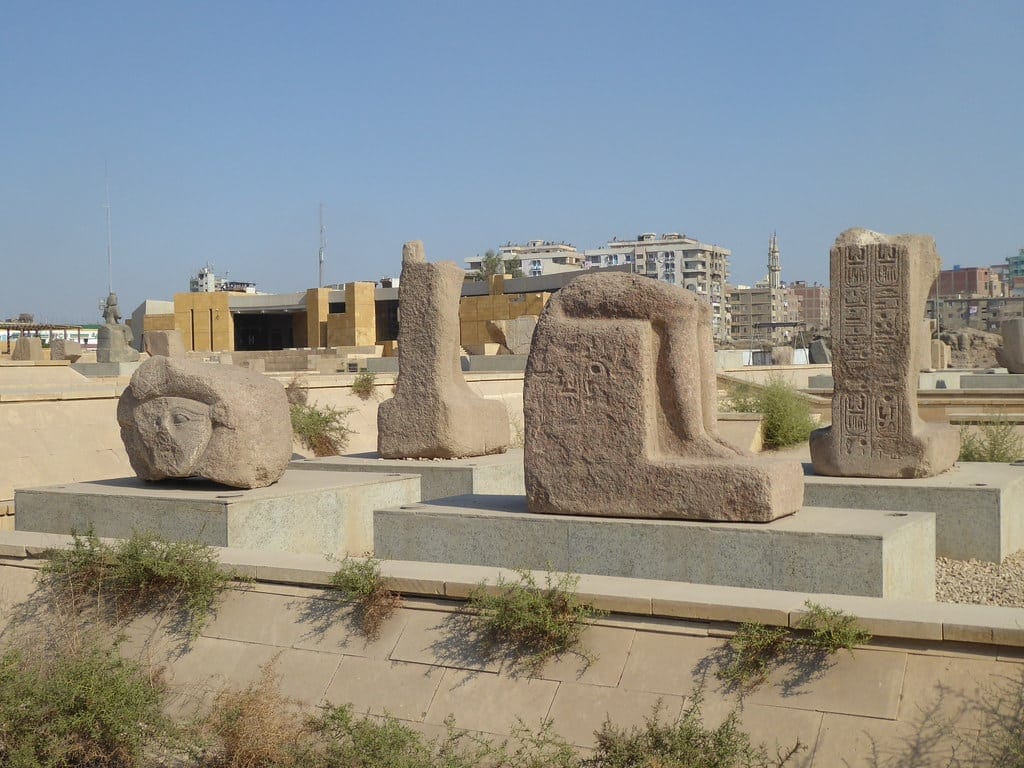
The main focus of the Bubastis complex was the great temple dedicated to the city’s patron goddess.
1. The Temple of Bastet (The Celebration Center)
The central temple, though now largely destroyed, was celebrated in antiquity. Herodotus, who visited the site in the 5th century BCE, described it as being incredibly beautiful, situated on an island and surrounded by two canals, making it look like an artificial oasis.
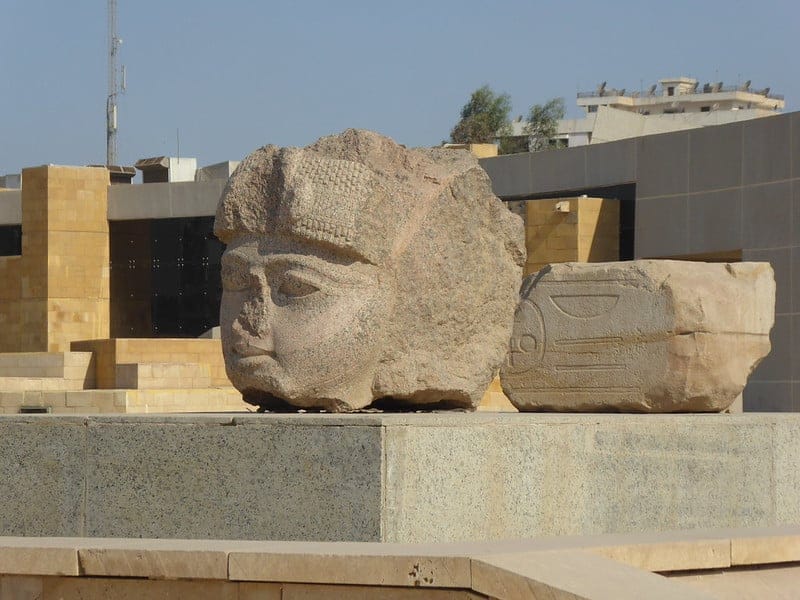
Unique Design: The temple was distinctively low-lying, surrounded by high walls, and contained the main sanctuary where the revered cult statue of Bastet resided. The site holds numerous granite blocks, statues, and architectural fragments that once belonged to this grand structure.
2. The Festival of Bastet (The Ancient Mardi Gras)
Herodotus’s account of the annual festival held in Bastet’s honor is one of the most vivid descriptions of ancient Egyptian religious practice.
The Pilgrimage: Hundreds of thousands of pilgrims—men and women—would travel by boat up the Nile to Bubastis. The journey was marked by loud music, singing, dancing, and significant consumption of wine, often reaching a state of celebratory frenzy.
Cultural Insight: This festival was a rare expression of uninhibited joy and collective ritual in a culture often portrayed as somber and obsessed with death. Visiting the site allows one to reflect on this vibrant ancient social life.
3. The Cat Necropolis
Archaeological evidence points to a massive cat necropolis near the site, where thousands of mummified cats were buried, offerings to the goddess who took their form.
Religious Practice: This immense burial ground underscores the deep reverence the ancient Egyptians held for the cat as the embodiment of Bastet’s protective and nurturing spirit.
II. The Capital of the Libyan Dynasties
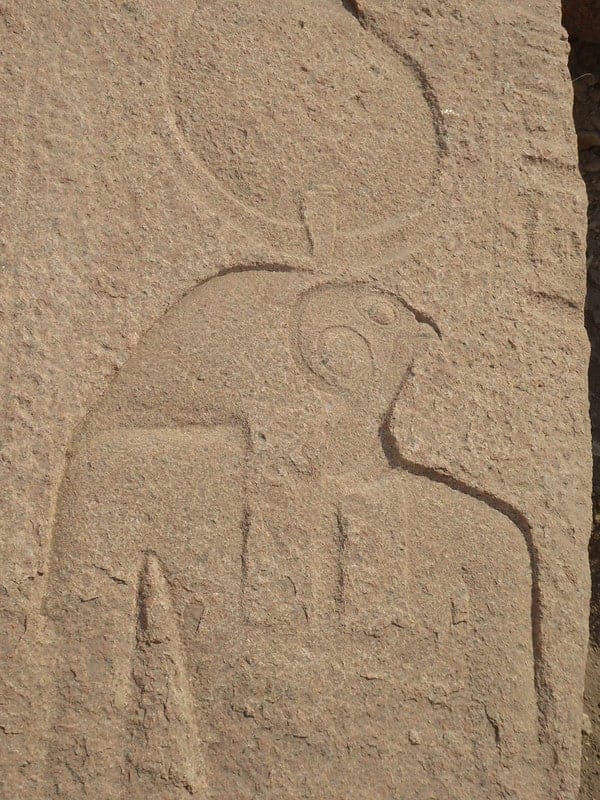
Bubastis served as the political heart of Egypt during a period of complex history following the New Kingdom’s decline.
4. Political Capital of the 22nd Dynasty
The city became the seat of power for the Pharaohs of the 22nd Dynasty, who were of Libyan descent (Meshwesh). Kings like Osorkon II and Shoshenq I (often identified with the Biblical Shishak) invested heavily in the city, expanding the temple complex.
Architectural Legacy: The ruins feature blocks and monumental gateways inscribed with the names of these Libyan Pharaohs, marking a distinct era of Delta dominance in Egyptian politics.
5. The Hall of Osorkon II
Remnants of a massive festival hall built by Osorkon II have been uncovered. The elaborate reliefs here commemorate the king’s Sed festival (a jubilee intended to renew the pharaoh’s power), showcasing the artistic and political ambitions of the Libyan rulers.
III. Archaeological Discoveries and Modern Context
Bubastis, while largely in ruins, continues to yield important finds that clarify the history of the Delta.
6. Historical Sculptures
Excavations have unearthed statues and monumental fragments, including colossal statues of Ramesses II that were relocated and reused by the Bubastite pharaohs, mirroring the practice seen at Tanis.
7. Local Delta Culture
Today, Tell el-Basta is surrounded by modern development and agricultural land. A visit provides a genuine, unvarnished look at contemporary Egyptian Delta life, contrasting powerfully with the ancient ruins.
IV. Planning Your Spiritual and Historical Tour with My Egypt Travel
A trip to Bubastis is a specialist historical and religious excursion, requiring focused travel from Cairo.
Logistics and Purity of Experience
Accessible from Cairo: Bubastis is located near Zagazig and is best reached via a comfortable, private road transfer from Cairo (approx. 1.5 to 2 hours). We ensure the logistics are smooth for this off-the-beaten-path destination.
Specialized Guidance: Understanding the significance of Bubastis—its transition from lioness to cat goddess, the political history of the Libyan Dynasties, and the interpretation of the scattered ruins—requires a guide with deep knowledge of the late dynastic periods. Our Egyptologists are equipped to unlock these nuances.
The My Egypt Travel Focus
We position Bubastis as the destination for exploring the complexities of ancient Egyptian faith and cultural life. We guide travelers through the remnants of the great temple, emphasizing the legendary festivals and the important role of female deities, providing a contrasting perspective to the standard narrative of kings and pyramids.
🔑 Conclusion: The Heart of Joy in the Ancient Delta
Bubastis is an essential, quiet witness to the political and religious shifts of ancient Egypt. It is the spiritual home of Bastet, a place that once hosted joyful, massive celebrations, and served as the capital for powerful, yet often overlooked, pharaohs. It offers a profound, authentic, and historically rich experience for the discerning traveler.
Ready to walk the ground where hundreds of thousands once celebrated the cat goddess and explore the remnants of a powerful Delta capital? Let My Egypt Travel guide your unique historical expedition to Bubastis (Tell el-Basta).