Explore Fayoum, Egypt’s oldest oasis and gateway to stunning nature reserves. Discover the UNESCO-listed Valley of the Whales (Wadi El Hitan), Roman archaeology, and unique birdlife. Plan your nature and history tour with My Egypt Travel.
🦢 Fayoum: Egypt’s Ancient Breadbasket and Nature Reserve
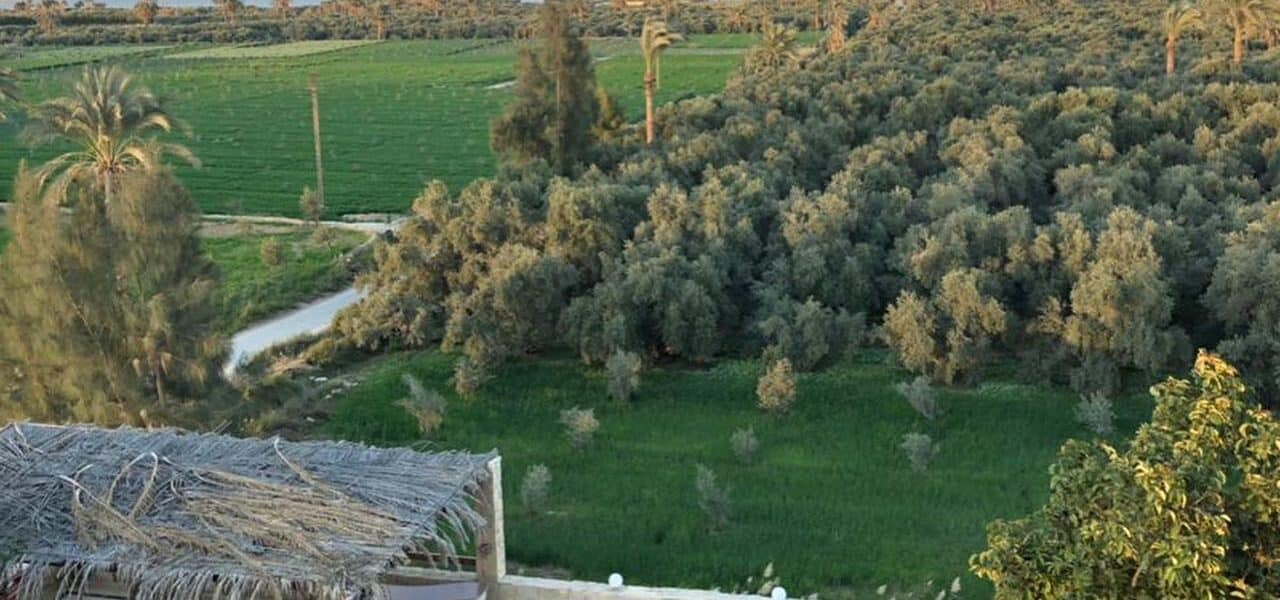
The Fayoum Oasis, or Fayoum Depression, is often overlooked by travelers focused solely on the pyramids and temples of the Nile Valley. This is a profound mistake. Fayoum is not a true desert oasis fed by groundwater; it is a sprawling, fertile depression watered by a branch of the Nile (the Bahr Yussef), making it the oldest and most agriculturally rich region outside the main valley. It is a land defined by Lake Qarun, cascading waterfalls, ancient waterwheels, and startling natural history.
For the American and European traveler, Fayoum offers a perfect, easily accessible two-day escape from Cairo, blending Greco-Roman archaeology, bird-watching, and UNESCO World Heritage natural sites. This non-conventional guide, brought to you by My Egypt Travel, explores Fayoum as a historical and ecological marvel—a destination where the deep past meets vibrant, essential nature.
The Contrast of Water and Desert: A Non-Conventional Perspective
Fayoum is a land of extremes: the deep blue of Lake Qarun contrasts sharply with the pale yellow sands of the surrounding desert. This ecological diversity sets it apart. The region was so important that the Ptolemies and Romans invested heavily in irrigation, treating it as a vital agricultural center. Our tours emphasize this powerful connection between the natural landscape and the human history it sustained.
I. The UNESCO Gem: Wadi El Hitan (Valley of the Whales)
The most significant non-archaeological attraction in Fayoum is the Valley of the Whales, a testament to the region’s prehistoric past.
1. Wadi El Hitan (Valley of the Whales) (The Prehistoric Ocean)
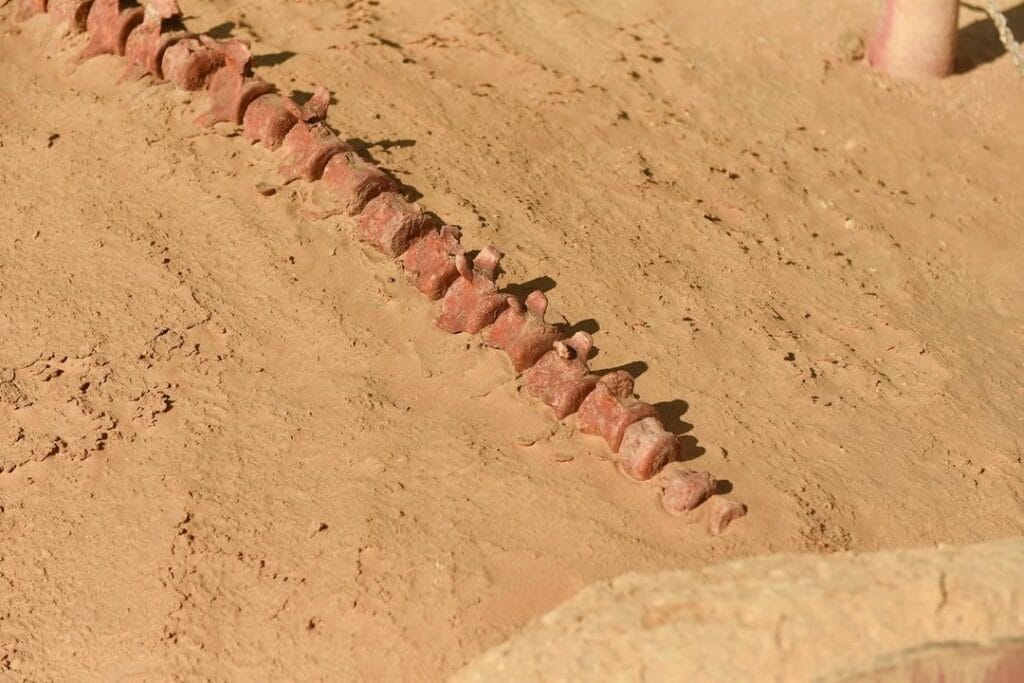
Designated a UNESCO World Heritage site, Wadi El Hitan is an extraordinary paleontological site. It contains hundreds of exceptionally well-preserved fossils of the archaeoceti, the earliest, now-extinct suborder of whales.
- Scientific Wonder: These fossils are crucial evidence in the evolutionary story of the whale, showing their transition from land animals to ocean dwellers, complete with vestigial hind legs. Standing amongst these massive, fossilized skeletons in the middle of a desert is a truly profound and surreal experience.
- Explorer’s Insight: The site is remote and requires a 4×4 vehicle. My Egypt Travel ensures a safe, well-guided safari to this unique natural museum, often concluding with camping for unparalleled stargazing.
2. Wadi El Rayan Protected Area (The Waterfalls)
This protected area is known for its two large man-made lakes, created to manage overflow from the Nile, and its famous Wadi El Rayan Waterfalls (the only waterfalls in Egypt).
- Nature Focus: The area is a haven for migratory birds and various desert wildlife, making it a prime destination for bird-watchers and nature photographers.
II. The Greco-Roman Legacy: Temples, Water, and Prosperity
Fayoum flourished during the Greco-Roman period, becoming a cosmopolitan center whose artifacts offer intimate details of daily life, particularly the veneration of the crocodile god, Sobek.
3. The Temple of Sobek-Re, Qasr Qarun (The Crocodile God’s Fortress)
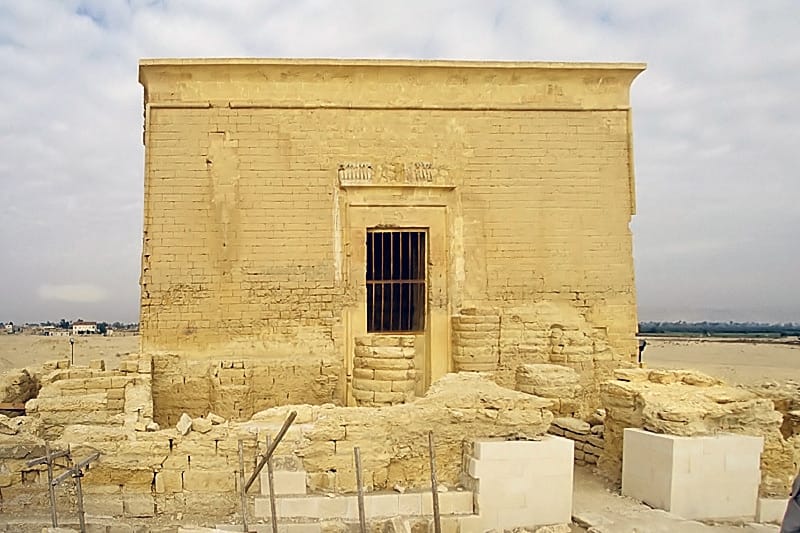
Located on the southwestern edge of Lake Qarun, the Temple of Sobek-Re at Qasr Qarun is a stunningly preserved Ptolemaic temple, later used by the Romans. It was dedicated to Sobek, the local crocodile deity (often syncretized with the sun god Re).
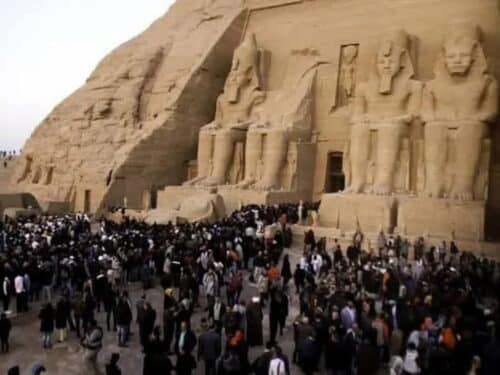
- The Hidden Ritual: The temple is architecturally remarkable, particularly for its complex network of chambers and stairwells leading to the rooftop. It is famously associated with an astronomical phenomenon where the rising sun illuminates the inner sanctum on a specific day in December, mirroring the engineering genius of Abu Simbel.
- Historical Insight: The complex includes the ruins of a sprawling Roman town, showcasing the continuous religious and commercial importance of the area.
4. Karanis (Kom Oshim) (The Roman Town)
The ruins of the Roman town of Karanis are one of the most accessible archaeological sites in Fayoum. It features two small temples and the remnants of public buildings and houses, providing excellent insight into Roman daily life and governance in the region.
5. The Fayoum Portraits (The Art of the Ancients)
While the famous portraits themselves are housed in major museums globally, Fayoum is their source. These stunningly realistic painted funerary portraits, often attached to the mummies, are the most celebrated surviving examples of panel painting from the classical world, showcasing the unique cultural synthesis of Roman art and Egyptian mummification.
III. The Oasis Culture: Water, Art, and Tranquility
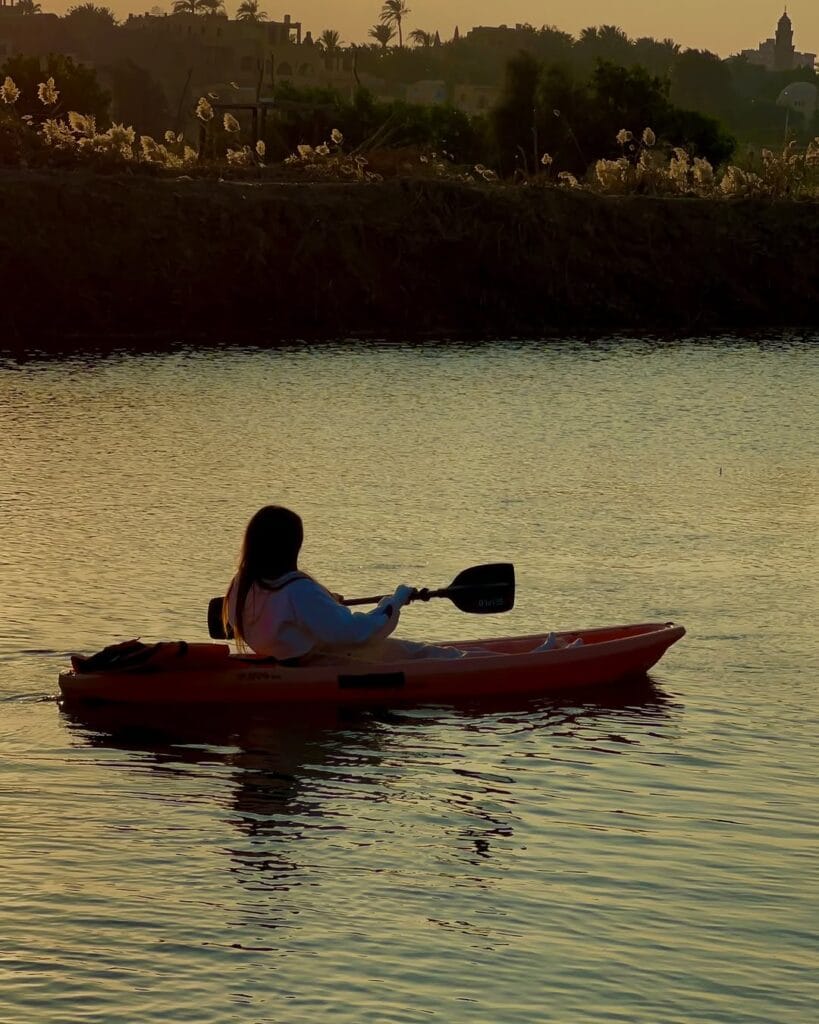
Fayoum’s unique irrigation system and ecological features are part of its enduring charm.
6. Lake Qarun (The Salt Lake)
Egypt’s third largest lake, Lake Qarun, is one of the oldest natural lakes in the world. Its salt content has increased over millennia.
- Recreation: The lake shore is home to several resorts and is popular for bird-watching and relaxation.
7. The Waterwheels (Saqia)
The symbol of Fayoum, the ancient wooden waterwheels (Saqias), are still in use today, providing a picturesque and non-conventional view of timeless irrigation technology. The sound of their creaking is synonymous with the oasis.
8. Tunis Village (The Artistic Retreat)
Perched overlooking Lake Qarun, Tunis Village has become a vibrant community of artists and potters, known for its unique pottery style and charming guesthouses.
- Non-Traditional Appeal: Visiting Tunis Village offers the opportunity to engage with contemporary Egyptian art and crafts in a serene, natural setting, appealing to the cultural traveler.
IV. Planning Your Nature and History Tour with My Egypt Travel
Fayoum is ideal for travelers looking for a quick, impactful escape from Cairo or a dedicated natural history component in their itinerary.
Accessibility and Comfort
- Ease of Access: Fayoum is the most accessible oasis from Cairo (roughly a 90-minute to two-hour drive). My Egypt Travel utilizes private, comfortable vehicles to ensure a seamless day trip or overnight stay.
- Specialized Logistics: The journey to Wadi El Hitan requires experienced 4×4 drivers and guides specializing in paleontology and desert ecology, which we exclusively provide.
The My Egypt Travel Focus
We design itineraries that perfectly balance the day—starting with the ancient ruins (Sobek-Re Temple, Karanis), moving to the local culture (Waterwheels/Tunis), and concluding with the dramatic nature of the desert (Wadi El Hitan). This creates a chronologically and aesthetically diverse experience.
🔑 Conclusion: The Unexpected Wonders of Fayoum
Fayoum is a region of astonishing contrasts: it holds the secrets of marine evolution in its desert sands and the powerful temples of Roman prosperity and local gods in its fertile soil. It is a place of natural beauty, ancient technology, and profound historical depth, offering a unique, refreshing perspective on Egypt far beyond the conventional Nile monuments.
Ready to see whale fossils in the sand and explore the unique artistry and history of Sobek-Re’s temple? Let My Egypt Travel guide your diverse journey into the magnificent Fayoum Oasis.