Discover Mendes, the historic capital of the Nile Delta and cult center for the Ram God (Banebdjedet). Explore the massive temple complex, the colossal granite shrines, and the political heart of the 29th Dynasty. Plan your deep history expedition with My Egypt Travel.
🐑 Mendes (Tell El-Ruba): Unveiling the Sanctuary of the Sacred Ram God
The Ancient Capital of the Delta’s Holy Ram
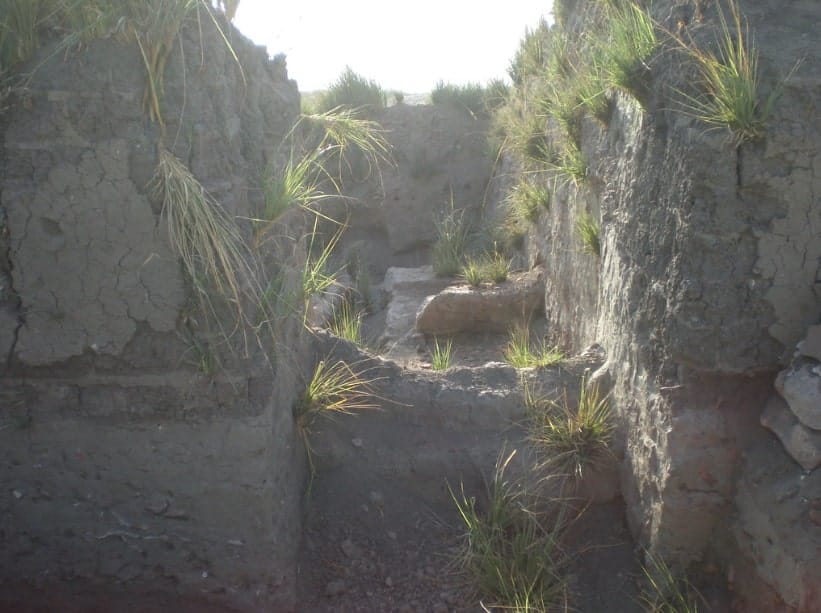
Mendes, known today by its Arabic name Tell El-Ruba, is an extensive archaeological site situated in the central Nile Delta. This city held immense religious and political power, serving as the capital of the 29th Nome (province) and, crucially, as the political capital of Egypt during the 29th Dynasty (c. 398–380 BCE), one of the last periods of native Egyptian rule before the Persian reconquest.
Mendes was the principal cult center for the Ram God, Banebdjedet, whose name translates to “Ba of the Lord of Djedet” (Djedet being the ancient name for Mendes). The Greeks later associated this ram-god with their own deity, Pan, hence the region’s connection to the Pan-like fertility cults.
For the American and European traveler, Mendes offers a chance to explore a significant but uncommercialized site that reveals the complexities of late ancient Egyptian religion and political defiance. It is a destination that clarifies the turbulent centuries that bridged the pharaohs and the Ptolemies. This non-conventional guide, brought to you by My Egypt Travel, explores Mendes as the ancient center of Delta spirituality and political resistance.
The Ram Cult: A Non-Conventional Approach
The worship of the Ram God, Banebdjedet, was central to the city’s identity. This deity was associated with fertility, the Ba (soul) of Osiris, and, often, with the generative power of nature. We emphasize the religious complexity and the impressive architecture of the temple complex, which remains one of the largest in the Delta, appealing to travelers interested in Egyptian mythology and comparative religion.
I. The Sanctuary of Banebdjedet and Monumental Remains
The ruins of Mendes are dominated by the remnants of the enormous temple enclosure and its unique monuments.
1. The Great Temple Complex
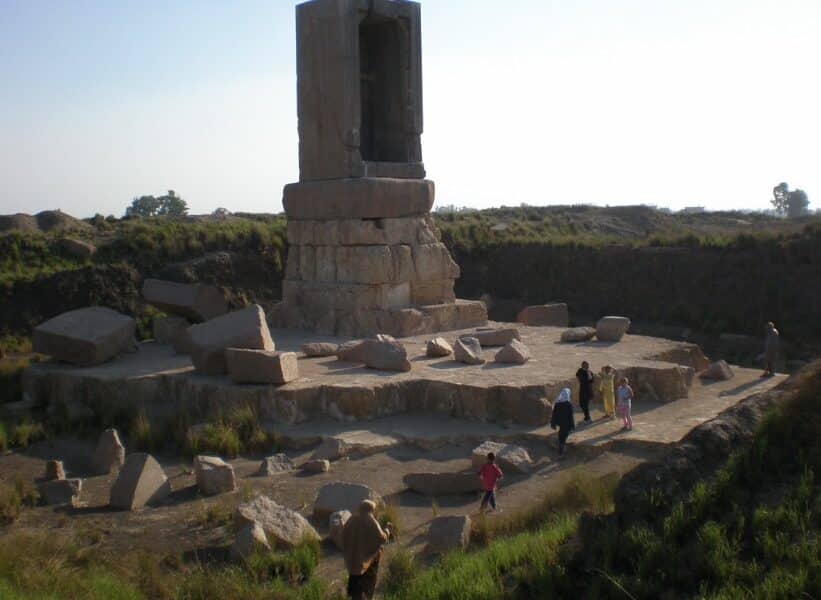
The city’s central area is marked by the colossal ruins of the main temple complex, primarily dedicated to Banebdjedet. Though the brick walls are eroded, the site is littered with massive granite blocks, gateways, and monumental architectural elements.
Colossal Shrines: The most impressive surviving features are the remains of four colossal granite shrines (or naoi) dating back to the 30th Dynasty (circa 350 BCE). These massive, intricately carved structures—one of which is almost nine meters high—are remarkable for their size and for being among the largest ever transported in Egypt. They once housed the sacred image or bark of the deity.
2. The Sacred Ram Necropolis
Similar to how Bubastis had its cat necropolis, Mendes had a dedicated burial ground for the sacred ram of Banebdjedet.
Religious Significance: The sacred animal, believed to be the living manifestation of the god, was revered during its life and buried with full honors upon its death. Discoveries here highlight the intense focus on animal cults during the Late Period.
3. The Ramesside Foundations
Excavations have shown that the site was occupied much earlier, with structures and artifacts dating back to the Middle Kingdom and the Ramesside period, demonstrating its long, continuous importance as a regional center.
II. The Political Heart of the 29th Dynasty
Mendes served as the capital during a brief but significant period of native Egyptian resurgence against foreign influence.
4. Capital of Pharaoh Nepherites I
Pharaoh Nepherites I founded the 29th Dynasty and made Mendes his capital. This period was characterized by political maneuvering and alliances with Sparta and other Greek powers to resist the dominant Persian Achaemenid Empire.
The City as a Symbol: Serving as the capital gave the city immense prestige, making the colossal constructions of the temple complex a powerful statement of native Egyptian continuity and defiance.
5. Ptolemaic Influence
After the conquest by Alexander the Great, Mendes remained an important regional city under the Ptolemies. The Greeks, with their association of the ram god Banebdjedet with Pan, further ensured the cult’s continuity and syncretism with Hellenistic religion.
III. Archaeological Landscape and Modern Life
The site today offers a powerful, raw archaeological experience, contrasting the ancient monumental ruins with the modern agricultural setting.
6. Tell El-Ruba (The Mound of Ruins)
The modern Arabic name, Tell El-Ruba, refers to the vast mound of ruins that characterizes the site. Exploring this elevated area provides a unique perspective on the city’s scale and the surrounding Delta landscape.
7. Local Delta Environment
The area surrounding Mendes is intensely agricultural, providing a genuine look at contemporary Delta life—a stark contrast between the ancient political ambitions and the daily farming activities that now take place around the ruins.
IV. Planning Your Deep History Tour with My Egypt Travel
A trip to Mendes is a specialist journey designed for the traveler who seeks profound, uncommercialized historical immersion.
Logistics and Purity of Experience
Private Expeditions: Mendes is located in a rural area of the Delta and is best reached via a dedicated, private road trip from Cairo (approx. 2.5 hours). We handle all specialized logistics to ensure a safe and efficient visit.
Specialized Guidance: Understanding the significance of Mendes—its 29th Dynasty political importance, the theology of the Ram God, and the monumental scale of the colossal shrines—requires a guide with deep knowledge of the Late Period. Our Egyptologists are crucial to bringing the site to life.
The My Egypt Travel Focus
We position Mendes as a destination for advanced historical curiosity. We guide travelers through the massive granite ruins, emphasizing the stories of native resistance, the worship of the fertility god, and the final flourish of Egyptian monumental architecture before the Greek and Roman eras.
🔑 Conclusion: The Heart of the Final Dynasty
Mendes is a vital, yet quiet, testament to the enduring power and complexity of ancient Egyptian history. It is the site that housed a sacred ram, served as the defiant capital of the 29th Dynasty, and witnessed the transition of Egyptian faith into the Hellenistic world. It offers a profound, unscripted, and historically rewarding experience.
Ready to explore the massive granite shrines of the Ram God and walk through the capital of the last native pharaohs? Let My Egypt Travel guide your unique historical expedition to Mendes (Tell El-Ruba).