Journey to Minya, the rarely-seen heart of Upper Egypt. Explore the revolutionary city of Akhenaten (Amarna), the stunning rock-cut tombs of Beni Hassan, and the history of early Christianity. Plan your profound historical tour with My Egypt Travel.
👑 Minya: The Unsung Heart of Middle Egypt
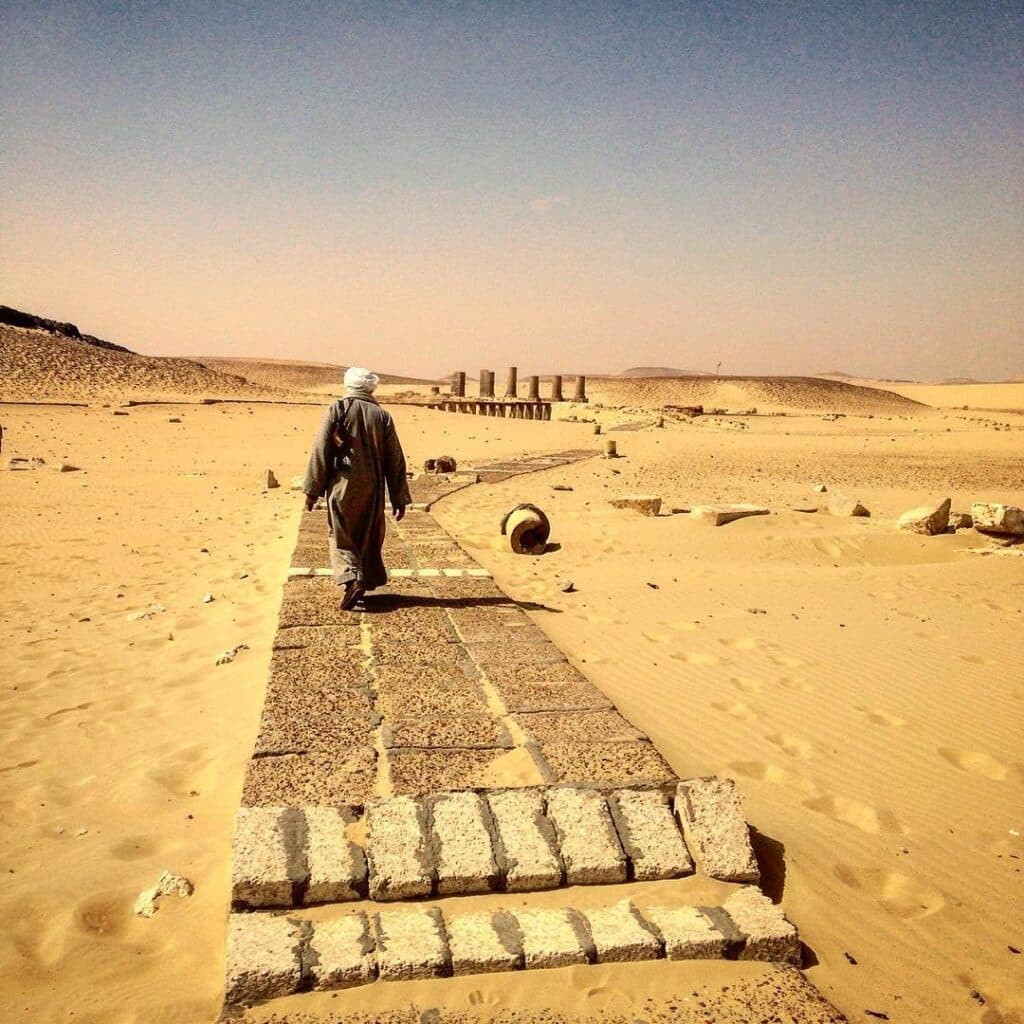
Minya, often dubbed the “Bride of Upper Egypt,” is a fertile stretch of the Nile Valley located approximately 245 kilometers south of Cairo. While it rarely features on mainstream tourist itineraries, Minya holds some of the most historically significant, pivotal, and unique archaeological sites in all of Egypt. It is the destination where you can witness the architectural and religious revolution of Pharaoh Akhenaten and explore the highly detailed tombs of Middle Kingdom nomarchs (provincial governors).
For the American and European traveler who has already seen the classics and yearns for authenticity, quiet contemplation, and deep historical insight, Minya is an essential stop. This non-conventional guide, brought to you by My Egypt Travel, explores Minya as the archaeological time capsule—the home of Egypt’s most unconventional rulers and art.
The Contrast of Eras: A Non-Conventional Approach
Minya’s power lies in its diversity. It allows visitors to step back to the very moment of a religious revolution (Amarna), and then witness the detailed daily life of the Middle Kingdom elite (Beni Hassan). The lack of crowds amplifies the sense of discovery, making the historical ruins feel more personal and immediate. Our tours emphasize Minya as a destination for the true history aficionado.
I. The Heretic’s Legacy: Amarna
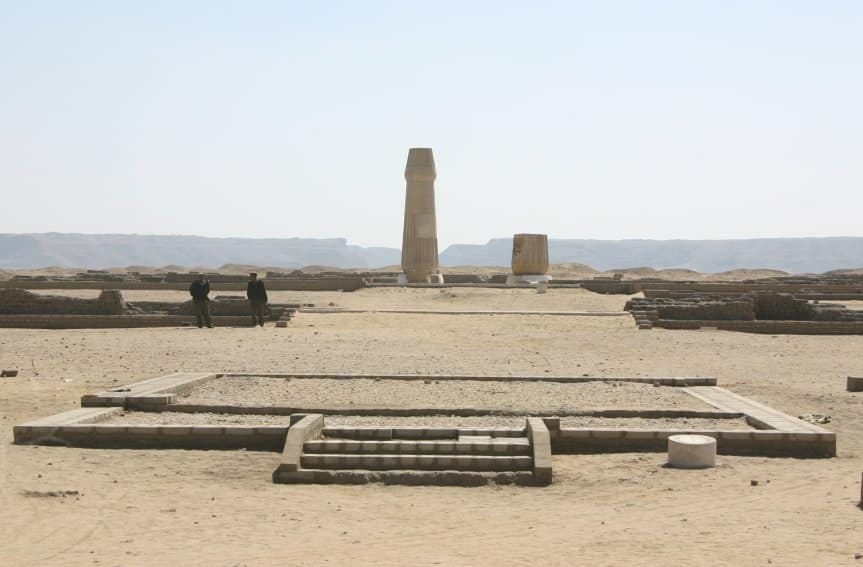
The most famous site in the Minya region is the stunning, isolated ruins of the city built by the revolutionary Pharaoh Akhenaten (Amenhotep IV) and his wife, Nefertiti.
1. Tell el-Amarna (Akhetaten) (The Horizon of Aten)
Tell el-Amarna is the site of the pharaoh Akhenaten’s capital city, Akhetaten. In 1350 BCE, Akhenaten abandoned the traditional polytheistic religion, closed the temples to Amun, and established a monotheistic cult centered on the Aten (the sun disk). He built this entire new capital from scratch in the desert.
Historical Significance: Amarna provides the only clear picture of an ancient Egyptian city laid out and built for habitation, not just for the dead. The ruins of the Great Temple of the Aten, the Royal Palace, and the administrative quarters offer unique insights into Amarna art and architecture—the most radical shift in Egyptian history.
Explorer’s Insight: Visiting Amarna requires imagination; the city walls are mostly gone, but walking the precise layout of the original city provides a profound sense of the scale of Akhenaten’s ambition.
II. Middle Kingdom Marvels: Beni Hassan
South of Amarna, the cliffs along the Nile host some of the most important rock-cut tombs from the Middle Kingdom (c. 2040–1782 BCE).
2. The Tombs of Beni Hassan (Daily Life Preserved)
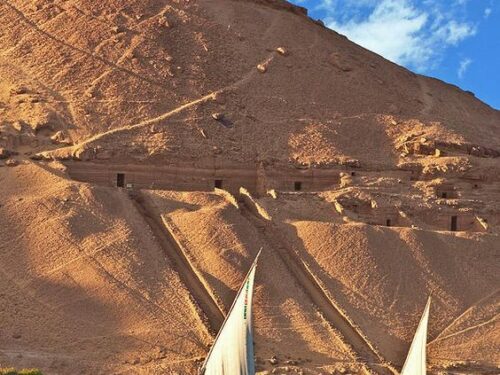
Carved high into the eastern limestone cliffs, the Tombs of Beni Hassan belonged to the provincial nomarchs who governed the area.
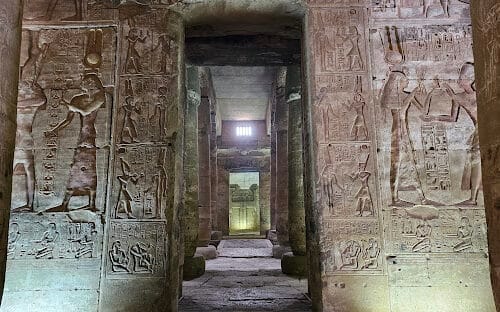
Artistic Feature: The interiors are famous for their incredibly detailed and vibrant wall paintings depicting scenes of everyday life, including wrestling techniques, military drills, hunting, agricultural activities, and most famously, detailed acrobatic and athletic displays.
Architectural Uniqueness: Unlike the tombs of the Valley of the Kings, these tombs utilize columns carved directly from the rock to create a structured internal space, showcasing a unique architectural style.
3. Speos Artemidos (Cave of Artemis)
Located near Beni Hassan, this small temple was built by Pharaoh Hatshepsut and dedicated to the local lioness goddess, Pakhet (syncretized with the Greek Artemis). The temple is notable for Hatshepsut’s inscription railing against the Hyksos invasion.
III. Christian and Greco-Roman History
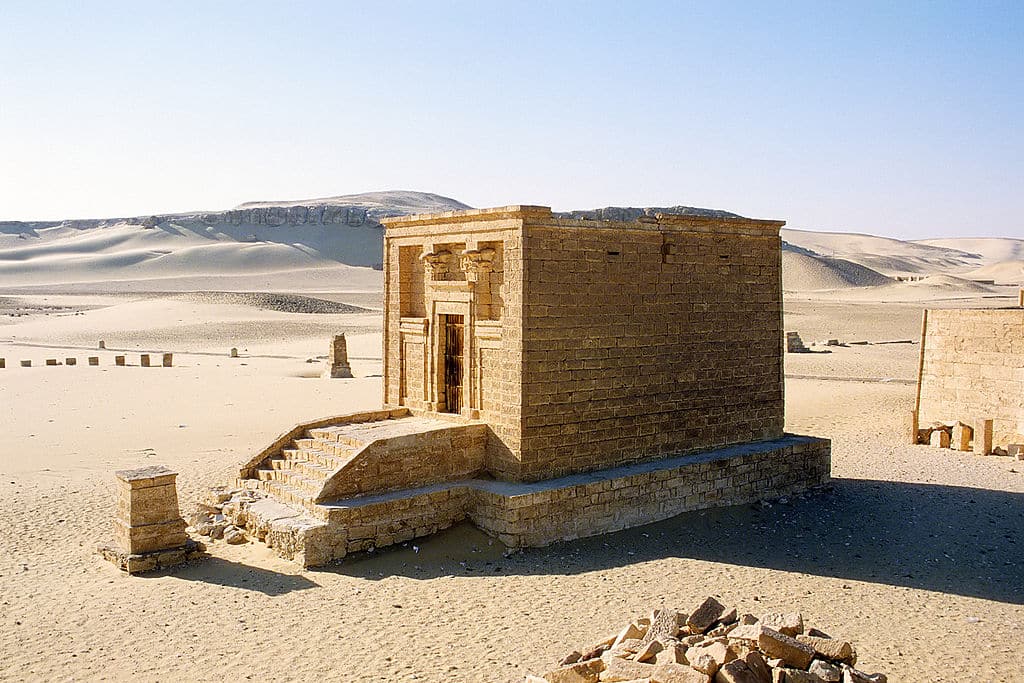
Minya’s historical narrative extends beyond the Pharaonic era, encompassing significant early Christian and Roman sites.
4. Tuna el-Gebel (The Roman Necropolis)
This large necropolis served the Greco-Roman town of Hermopolis Magna. The site is famous for its elaborate tombs that feature a fascinating blend of Egyptian and Greco-Roman artistic styles.
The Unique Tombs: The tombs of Petosiris (a high priest) and Isadora (a young woman whose tomb became a pilgrimage site) are particularly noteworthy.
5. Al-Bagawat Necropolis (near Kharga)
While primarily known for Kharga, the region around Minya also has important early Coptic Christian sites, affirming the area’s role in the spread of Christianity down the Nile Valley. Monasteries such as the Monastery of the Virgin Mary at Jabal al-Tayr (built by Empress Helena) show the area’s continued religious significance.
IV. Planning Your Deep History Tour with My Egypt Travel
A trip to Minya requires specialized logistics and a focus on informed interpretation due to the scattered nature of its remote, high-value sites.
Logistics and Purity of Experience
Private Transfers: Minya is best reached via a comfortable, private road journey or an early train ride from Cairo. My Egypt Travel handles all transfers, ensuring maximum comfort for the journey south.
Expert Egyptologists: Due to the complexity and subtlety of sites like Amarna (where imagination is required to reconstruct the city), our tours are exclusively led by specialized Egyptologists who bring the revolutionary history and architectural layout to life.
Safety and Comfort: We utilize the best available, quiet, local accommodations in the Minya area, ensuring a peaceful rest between intense days of exploration.
The My Egypt Travel Focus
We position Minya as the intellectual core of the Egyptian journey—a necessary link between the Old Kingdom (Giza/Saqqara) and the New Kingdom (Luxor). It is the perfect destination for the second- or third-time visitor to Egypt who seeks to delve deeper than the popular attractions.
🔑 Conclusion: The Undiscovered Masterpiece
Minya Oasis is a monumental, yet quiet, chapter in Egyptian history. It is the place to walk the streets of a pharaoh’s religious revolution, witness the daily life of the Middle Kingdom elite preserved in paint, and explore the convergence of Roman and Coptic faiths. It is an indispensable destination for anyone truly passionate about the historical narrative of this ancient land.
Ready to walk the revolutionary streets of Akhenaten’s city and explore the stunning athletic feats preserved in the tombs of Beni Hassan? Let My Egypt Travel guide your profound historical journey to Minya.