Journey to Asyut, the historical capital of the 13th Nome and a vital stop on the Holy Family’s journey. Discover the ancient city of Lycopolis, the rock-cut tombs of Meir, and the spiritual tranquility of Durunka Monastery. Plan your profound historical and spiritual tour with My Egypt Travel.
🐾 Asyut: Where the Jackal God Ruled and the Holy Family Rested
Asyut (known in antiquity as Syut or Lycopolis to the Greeks) is one of the oldest and most historically important settlements in Upper Egypt, located almost midway between Cairo and Luxor. It served for millennia as the capital of the 13th Nome and as a crucial strategic and economic center. It was the worship center for the jackal-headed god Wepwawet (“Opener of the Ways”), fittingly, as it was the starting point of the ancient Forty Days Road (Darb al-Arba’in)—a major caravan route connecting Egypt to Darfur in Sudan.
For the American and European traveler seeking authenticity, deep religious history (both Pharaonic and Christian), and uncrowded sites, Asyut offers an unparalleled layer of Egyptian history far from the well-trodden tourist track. This non-conventional guide, brought to you by My Egypt Travel, explores Asyut as the spiritual and commercial nexus of Upper Egypt.
The Spiritual Legacy: A Non-Conventional Approach
Asyut is a primary destination on the official Holy Family Pilgrimage Trail. The region’s ancient monasteries and cave churches offer a powerful, continuous link between Pharaonic, Roman, and Coptic history. The quiet isolation of the desert monasteries amplifies the profound spiritual atmosphere, making it a powerful experience for faith-based and contemplative travelers.
I. Pharaonic Tombs and Ancient Gods
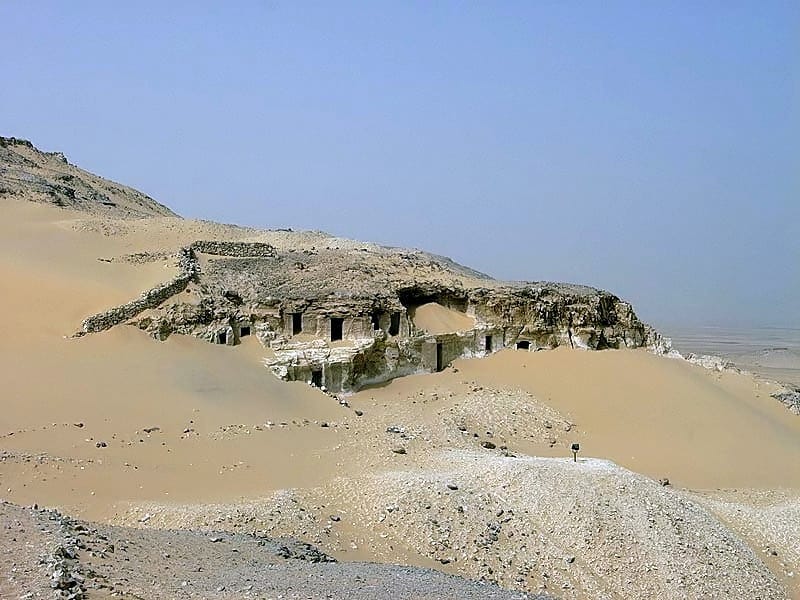
Asyut was a powerful provincial capital, and its elite left behind important archaeological evidence in the cliffs of the Western Desert.
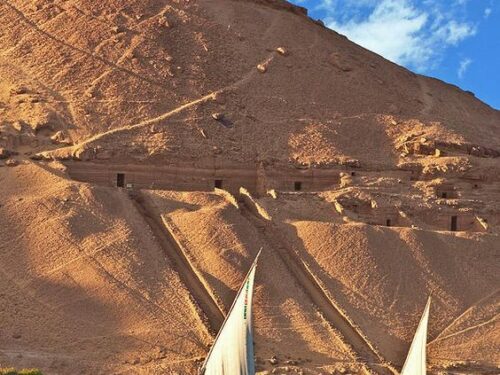
1. The Rock Tombs of Asyut (Lycopolis Necropolis)
Carved into the limestone cliffs west of the modern city, these tombs belong primarily to the powerful nomarchs of the 9th, 10th, and 12th Dynasties.
Historical Significance: These tombs are crucial for understanding the period of the First Intermediate Period, often depicting the nomarchs and their powerful families. The largest is the tomb of Hapidjefa, a key figure of the 12th Dynasty.
The Jackal God: Ancient Asyut was the main cult center for Wepwawet, the “opener of the ways,” a jackal-headed deity often associated with funerary rites and military processions. Exploring these necropoleis puts you at the historical heart of this cult.
2. Meir Monumental Tombs
Located north of Asyut, the Meir Necropolis contains high-quality tombs spanning the Old and Middle Kingdoms.
Artistic Detail: These tombs are celebrated for their scenes of daily life, similar to Beni Hassan but unique in their execution, often depicting detailed domestic and agricultural activities.
II. The Path of the Holy Family: Coptic Landmarks
Asyut is arguably the most important location on the Holy Family’s journey through Egypt, offering sanctuaries that date back to the earliest centuries of Christianity.
3. The Monastery of the Holy Virgin at Durunka (Deir Dronka)
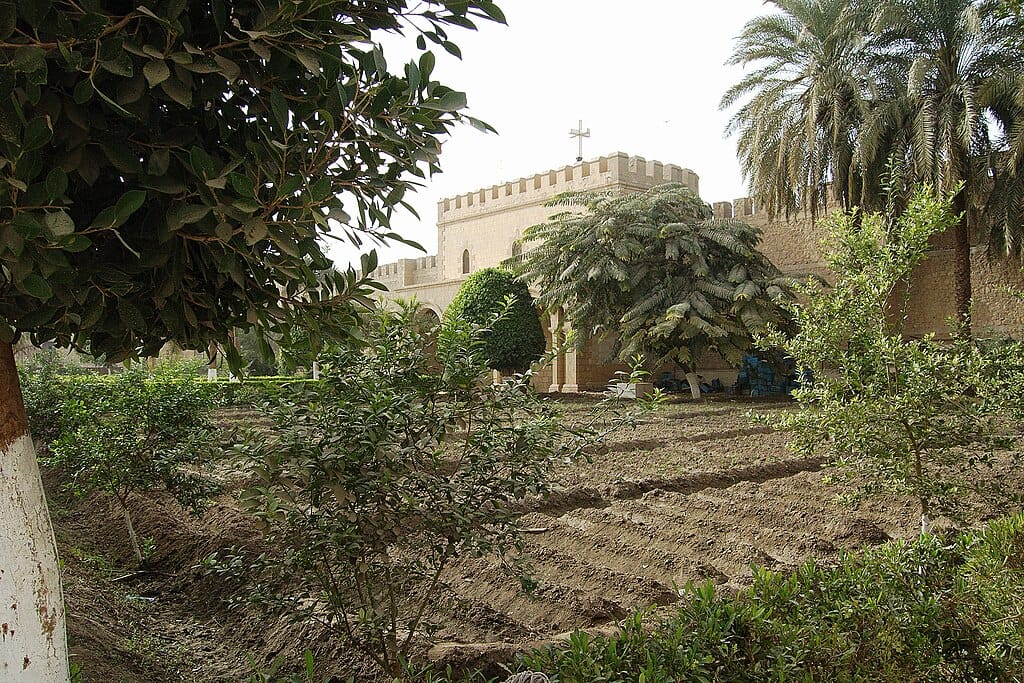
Perched high in the western mountain cliffs, this monastery is believed to have been the Holy Family’s final resting place in Egypt before their return to Palestine.
Pilgrimage Site: This vast monastery, built into natural caves, is a site of immense spiritual significance. It holds a massive annual festival in August/September, attracting hundreds of thousands of pilgrims.
The View: The elevated location provides breathtaking, uninterrupted views across the Nile Valley and the sprawling agricultural lands of Asyut.
4. Al-Muharraq Monastery (Deir El-Muharraq)
Known by locals as the “Second Jerusalem,” this massive monastery is believed to be the place where the Holy Family lived for over six months—the longest period spent anywhere in Egypt.
Unique Status: The ancient Church of the Virgin within the complex is considered one of the earliest Christian churches in the world and is said to have been consecrated by the apostles themselves. The monastery continues to be a vibrant center of Coptic Orthodox life.
III. The Commercial and Cultural Heart
As a major regional capital, Asyut has a rich cultural and commercial history extending into the Islamic and modern eras.
5. Darb al-Arba’in (The Forty Days Road)
Asyut was the traditional northern terminus of this ancient, difficult trade route that brought ivory, spices, and other goods from Sudan and Central Africa.
Historical Economy: This history gives the city a unique commercial spirit, which can still be felt in its bustling local markets and trading history.
6. Al-Farghal Mosque (Masjid Al-Farghal)
Located in the nearby town of Abu Tig, this mosque is one of the largest and most famous in Upper Egypt, known for its distinctive twin minarets and the annual religious festival (Moulid) held in honor of Sultan Al-Farghal.
7. Alexan Pasha Palace and Assiut Barrage
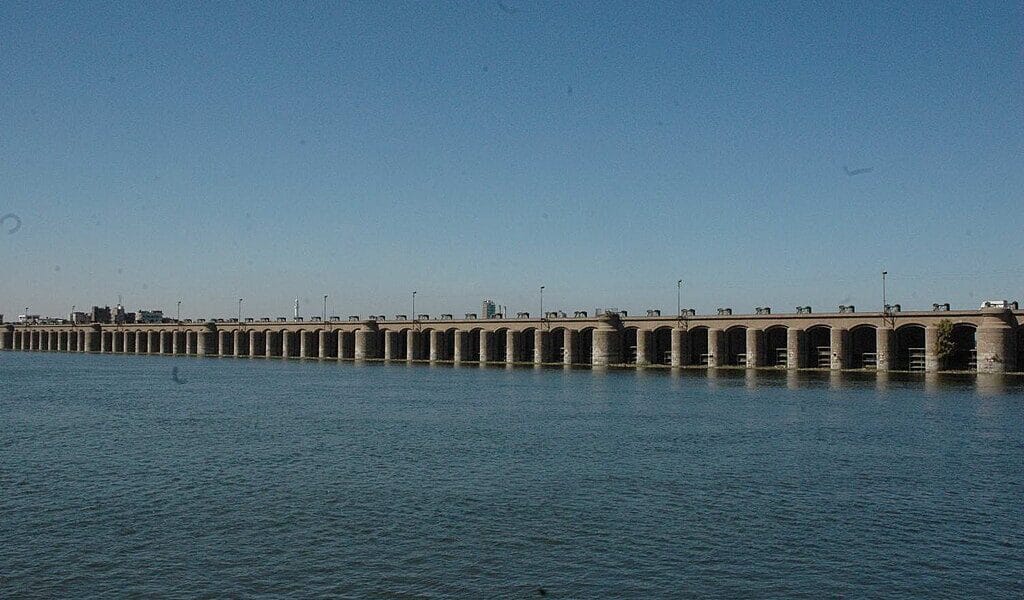
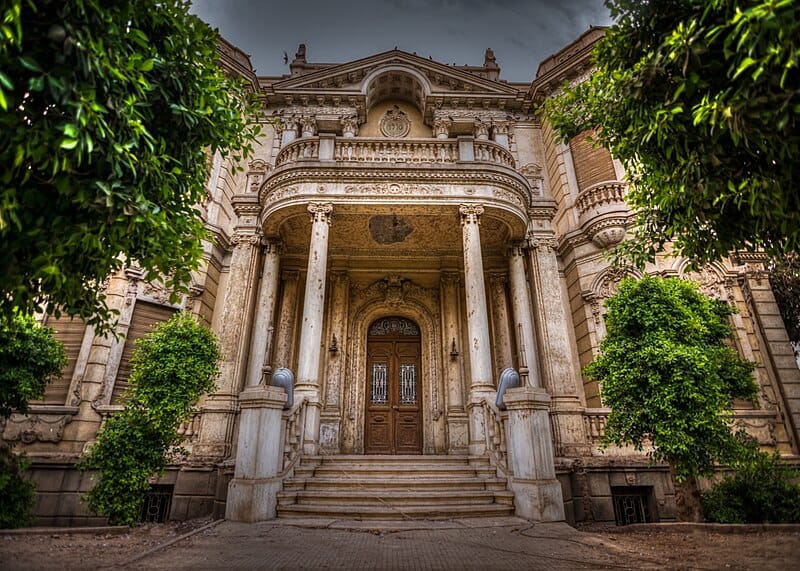
The city features monuments from the Modern Era, including the elegant Alexan Pasha Palace (1910), a museum showcasing local aristocratic history, and the historic Assiut Barrage, a vital water infrastructure project from the early 20th century.
IV. Planning Your Authentic Asyut Journey with My Egypt Travel
A visit to Asyut is a deep dive into Egyptian history and culture, perfectly suited for combining with trips to Minya (to the north) or Luxor (to the south).
Logistics and Purity of Experience
Accessibility: Asyut is easily accessible via the main train line from Cairo/Luxor or the Asyut International Airport (ATZ). My Egypt Travel coordinates private, safe transfers between the scattered archaeological sites and the monasteries.
Cultural Sensitivity: Visiting the monasteries requires modest dress and respect for deep religious tradition. Our expert guides ensure a seamless, respectful, and educational experience, particularly during the large annual festivals.
The My Egypt Travel Focus
We focus on delivering an authentic experience that connects the disparate threads of Asyut’s history: standing at the tomb of a nomarch, walking the halls of a millennium-old monastery, and exploring the remnants of a powerful trading hub. We position Asyut as the place where the “real” history of Upper Egypt, both ancient and modern, unfolds without the filter of mass tourism.
🔑 Conclusion: Unlocking the Secrets of Asyut
Asyut is the powerful, unheralded capital of Upper Egypt—a place where the jackal god Wepwawet oversaw the opening of trade routes, and where the Holy Family found sanctuary. It offers a profound, untouched historical experience that encompasses the full spectrum of Egyptian civilization, from Pharaonic nomarchs to early Christian anchorites.
Ready to explore the spiritual tranquility of Durunka and the ancient power of the Lycopolis nomarchs? Let My Egypt Travel guide your profound historical and spiritual journey to Asyut.