Journey to Rosetta, the historic port city where the famous stone was discovered. Explore the unique Ottoman-era houses, visit the Rashid Museum, and discover the strategic importance of the Nile Delta coast. Plan your unique cultural tour with My Egypt Travel.
📜 Rosetta (Rashid): Beyond the Stone | Exploring Egypt’s Ottoman Architecture & Nile Delta History
🏡 Rosetta: The Jewel Box of the Nile Delta
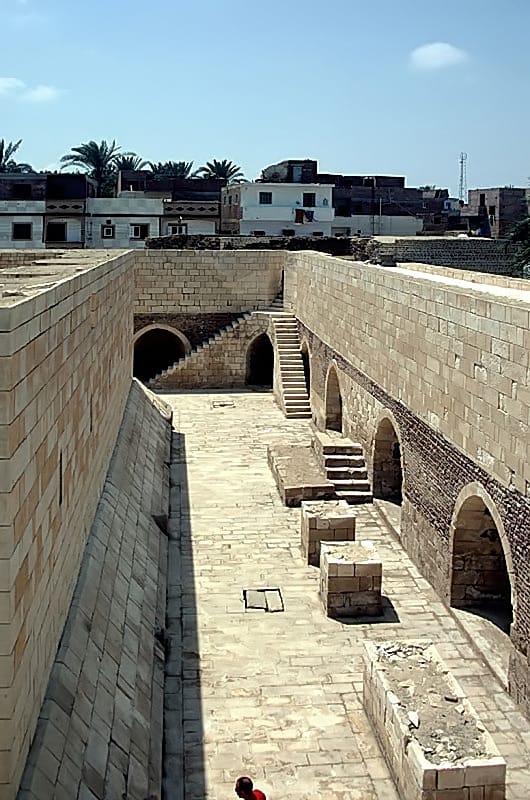
Rosetta, known locally as Rashid, is a coastal city located in the heart of the Nile Delta, where the westernmost branch of the great river meets the Mediterranean Sea. While its name is internationally synonymous with the Rosetta Stone—the key to deciphering hieroglyphs—the city itself offers a far richer and more nuanced historical experience than its famous artifact suggests. Rosetta is a living, open-air museum of Ottoman-era Egyptian architecture, renowned for its distinct, multi-story houses adorned with colorful woodwork and intricate brick patterns.
For the American and European traveler interested in post-Pharaonic Egyptian history, Islamic architecture, and strategic geography, Rosetta provides a profound and authentic cultural contrast to the ancient temples of the south. This non-conventional guide, brought to you by My Egypt Travel, explores Rosetta as the unrivaled capital of Ottoman Egyptian heritage.
The Architectural Focus: A Non-Conventional Approach
Rosetta’s allure lies in its urban fabric, which tells a story of trade, wealth, and local resilience during the Ottoman period (16th–19th centuries). We emphasize the preserved domestic architecture, which showcases a fusion of North African and Turkish styles, offering a rare glimpse into the daily life of a wealthy provincial port city—a history often overshadowed by the Pharaonic era.
I. The Stone’s Legacy and Strategic History
Rosetta’s most famous moment in global history is directly tied to its strategic coastal location.
1. The Discovery of the Rosetta Stone
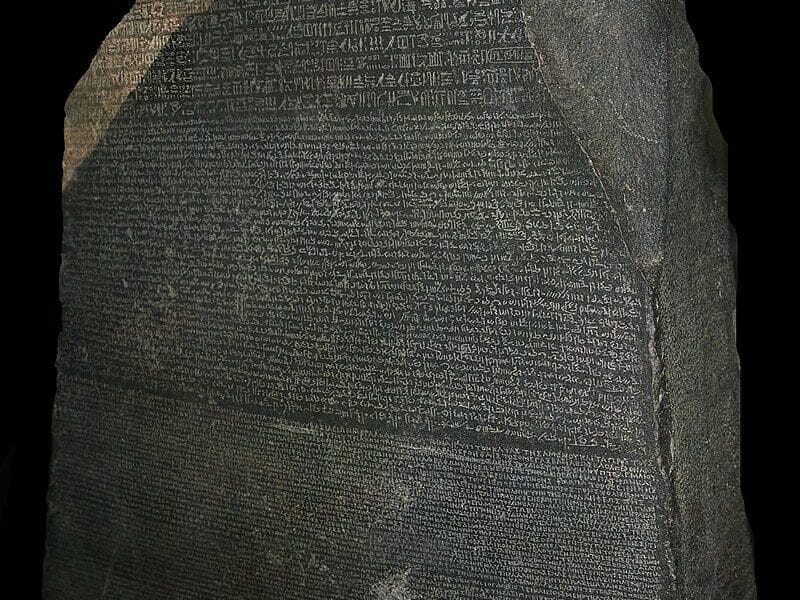
The famous Rosetta Stone, currently housed in the British Museum, was discovered here in 1799 by French soldiers during Napoleon Bonaparte’s Egyptian campaign.
Historical Significance: The stone, inscribed with the same decree in three scripts (Hieroglyphic, Demotic, and Ancient Greek), became the vital tool for Jean-François Champollion to unlock the language of the pharaohs in 1822, making Rosetta the symbolic link between the past and the present.
The Museum: The artifact itself is not in Rosetta, but the Rosetta Museum (housed in the historic house of Ali el-Tabbakh) details the history of the stone’s discovery and the city’s rich cultural heritage.
2. The Nile’s Mouth and Fort Qaitbay
Rosetta’s strategic importance stems from its position at the mouth of the Nile (the Rashid branch). To defend this vital artery, the Mamluks and Ottomans built fortifications.
Fort Qaitbay: Located near the mouth of the river, this small fortress (named after the Mamluk Sultan) played a role in repelling the British campaigns in the early 19th century, symbolizing Rosetta’s long history of national resistance.
II. The Ottoman Architectural Masterpieces
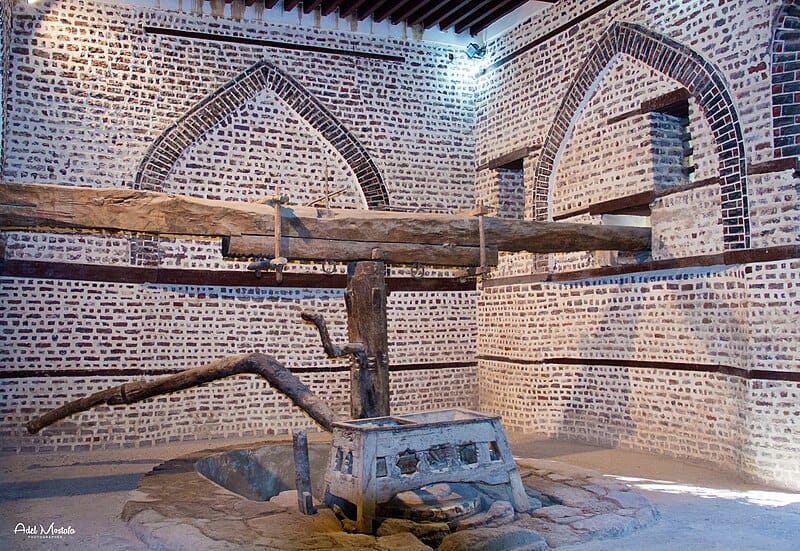
Rosetta is internationally famous among architectural historians for its unique, preserved domestic and religious buildings.
3. The Rosetta Houses (The Architectural Style)
Rosetta boasts numerous preserved historical houses dating primarily from the 17th and 18th centuries. Their style is distinct: multi-story homes built from local black and red brick, featuring large, protruding, intricately carved wooden balconies (Mashrabiyas) and vibrant exterior color schemes.
Unique Feature: These houses were a testament to the wealth generated by the city’s trade. The combination of brickwork and wood gives the streetscape a unique texture and color palette rarely seen elsewhere in Egypt.
4. Key Historic Houses
My Egypt Travel guides visitors through the most significant examples:
House of Amasi: Known for its particularly fine wooden facade and detailed internal courtyard.
House of Ali El-Tabbakh: Now housing the Rosetta Museum, it is a perfect example of the style, demonstrating the residential life of the affluent trading class.
House of Hammad: Another excellent example showcasing the elaborate Mashrabiya work used for both privacy and climate control.
5. Historic Mosques
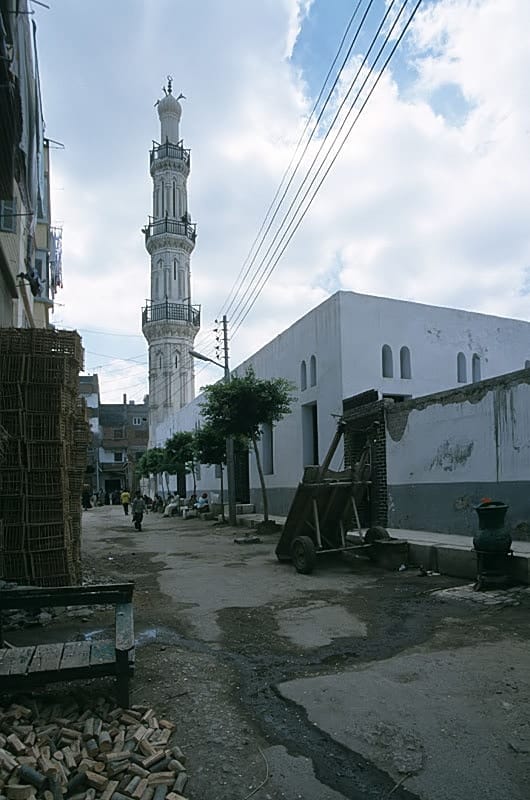
The city contains important Islamic religious architecture, including the Mosque of Zaghlul (the largest), which further showcases the unique decorative and building techniques of the period.
III. The Delta Culture and Coastal Life
Rosetta offers a quiet, unhurried cultural experience reflective of its Delta-coastal environment.
6. Coastal and River Views
The meeting point of the Nile and the Mediterranean is a picturesque and powerful natural junction. Observing the fishing boats and the subtle color changes where the fresh river water meets the salt sea is a unique visual experience.
7. Local Industry
Rosetta is still an active port and fishing center. The markets and local fishing industry provide a genuine, bustling look into the current economic life of the Delta, offering excellent photographic opportunities.
IV. Planning Your Cultural Immersion with My Egypt Travel
A trip to Rosetta is a specialist cultural tour, appealing to those seeking historical depth away from the mass tourism circuits.
Logistics and Purity of Experience
Accessible from Alexandria/Cairo: Rosetta is typically visited as a day trip from Alexandria or a dedicated overnight trip from Cairo. My Egypt Travel coordinates safe, comfortable private transfers, as public transport can be complex.
Architectural Guidance: The enjoyment of Rosetta relies heavily on understanding the history of the Ottoman period and the details of the architecture. Our guides are experts in Islamic and Ottoman Egyptian history, bringing the subtle cultural and historical layers to life.
Authenticity: This tour offers a chance to interact with local communities and experience a pace of life far slower than in Cairo, appealing to the traveler seeking authenticity.
The My Egypt Travel Focus
We design the Rosetta itinerary as an exploration of the crucial 17th and 18th centuries in Egypt—a time of economic prosperity and international intrigue. We guide travelers through the historic town, focusing on the preservation efforts and the stories behind the colorful facades, contrasting this vibrant heritage with the more ancient ruins found elsewhere.
🔑 Conclusion: Unlocking the Secrets of Modern Egypt
Rosetta is a treasure trove of post-Pharaonic Egyptian history. It is the city that gave the world the key to its ancient past, yet it preserves a vibrant, beautiful, and distinct heritage of its own. It is the place to discover the colorful architecture of the Ottoman Empire and to walk the streets where trade and resistance defined a pivotal era in Egyptian history.
Ready to explore the beautiful architecture that pre-dates the modern Egyptian state and stand at the historical mouth of the Nile? Let My Egypt Travel guide your unique cultural journey to Rosetta (Rashid).